
AIRBNB EXPERIENCES
Unique things to do in Havana
Book unforgettable activities hosted by locals on Airbnb.
Top-rated activities
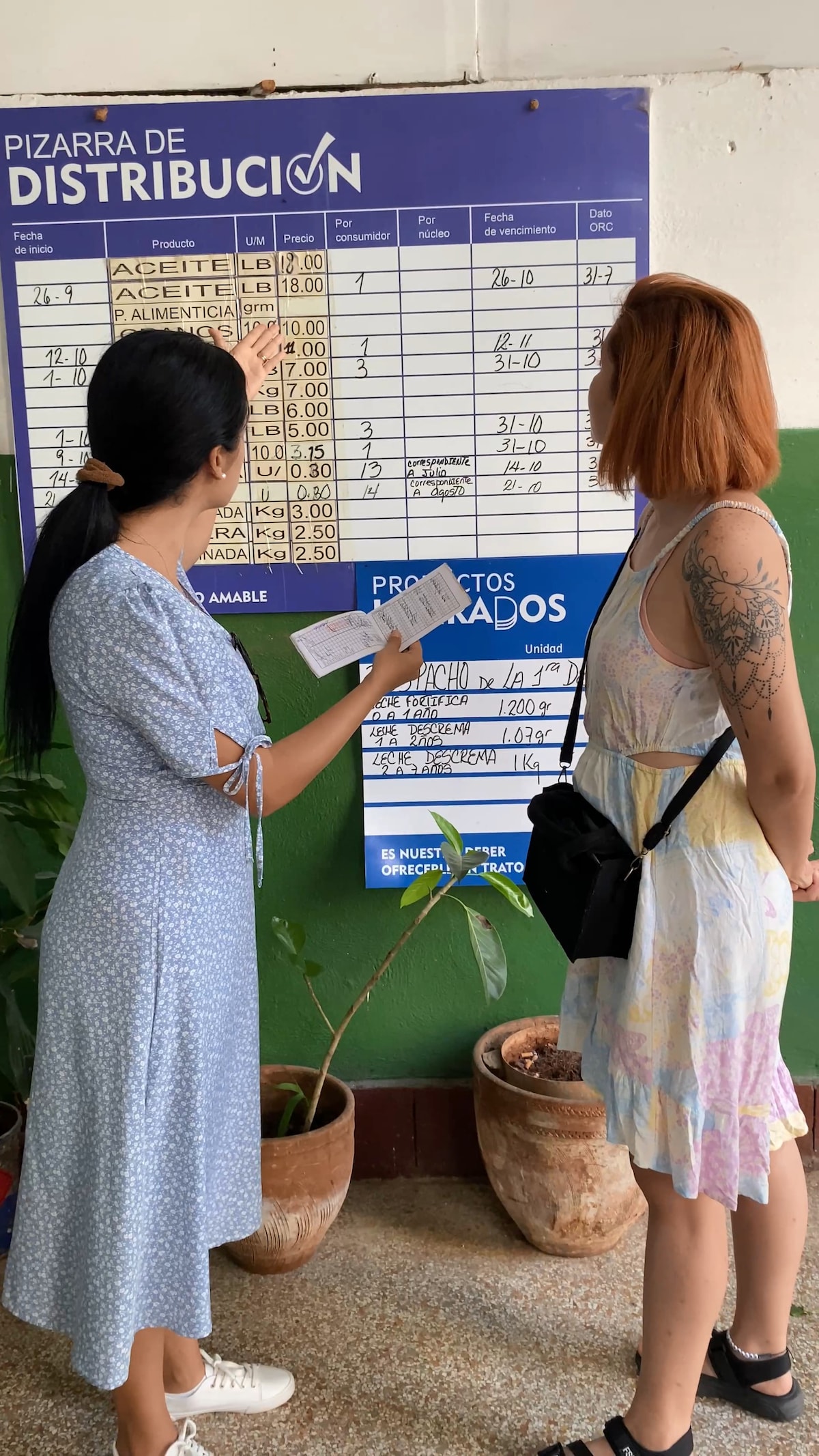
UNDERSTAND CUBA TODAY WITH A SOCIOLOGIST
**If you are in Cuba and unable to book, please ask someone in your country to make the reservation on Airbnb for you.
Is Cuba a socialist country? How does free education and health care work in this country? What effect has the Revolution had on Cuban society?
In this experience, you will see Cuban life in local markets, pharmacies and stores and you will understand the core of our main social challenges, why there is a black market and how it operates, how people can purchase necessities with currencies different from their salaries and you will also learn about what makes us feel proud to be Cubans, our resilience and idiosyncrasy.
Walking around 1.5 kilometers in Old Havana, you will visit a private food market to understand how Cuba's unstable currency impacts people's life.
You will visit a pharmacy to learn about Cuba's health care system and why our doctors are so famous worldwide. Then you will go to a ration store so you can observe and understand how the subsidized food functions. Is it free? Are the rations enough for a month?
Understand Cuba once and for all, in a simple but insightful manner where you will listen, not only amazing stories, but also statistics that support what you will see while you walk. This is our vision of the real Cuba: the honest way.

Shooting in Havana
Our meeting point is outside Inglaterra Hotel it’s located at the heart of Old Havana, from there we will start our walk and shooting, as result you will obtain perfect photos to fit your social media and a beautiful memory from your trip to La Havana, I’ll take you to the most iconic corners of my city and I’ll show you real Cuban neighborhoods as well, visiting them you will gather more information about how Cubans live, our culture, issues and our happiness. In our walk I would like you to tell me about your experiences in the city and it will be my pleasure to talk to you about my vision from our island meanwhile I’ll take beautiful and unique portraits from you while we enjoy La Havana. I recommend to wear comfortable shoes and bring extra outfits if you want different clothing for your photos. We will have a great day, chat, art, photos, history and Havana.
If you book the private experience you will have one hour in a classic car. The payment of the convertible is included, you don’t need to bring any cash!
As result you will obtain 25 high end and retouched photos of you (digital), besides that you will take home a new friend and a beautiful day in La Havana.
If you own an iPhone I can copy to you all the raw photos after our shooting. It also works if you have a smartphone with a C port for charging.
Check more of my work
IG shootinginhavana
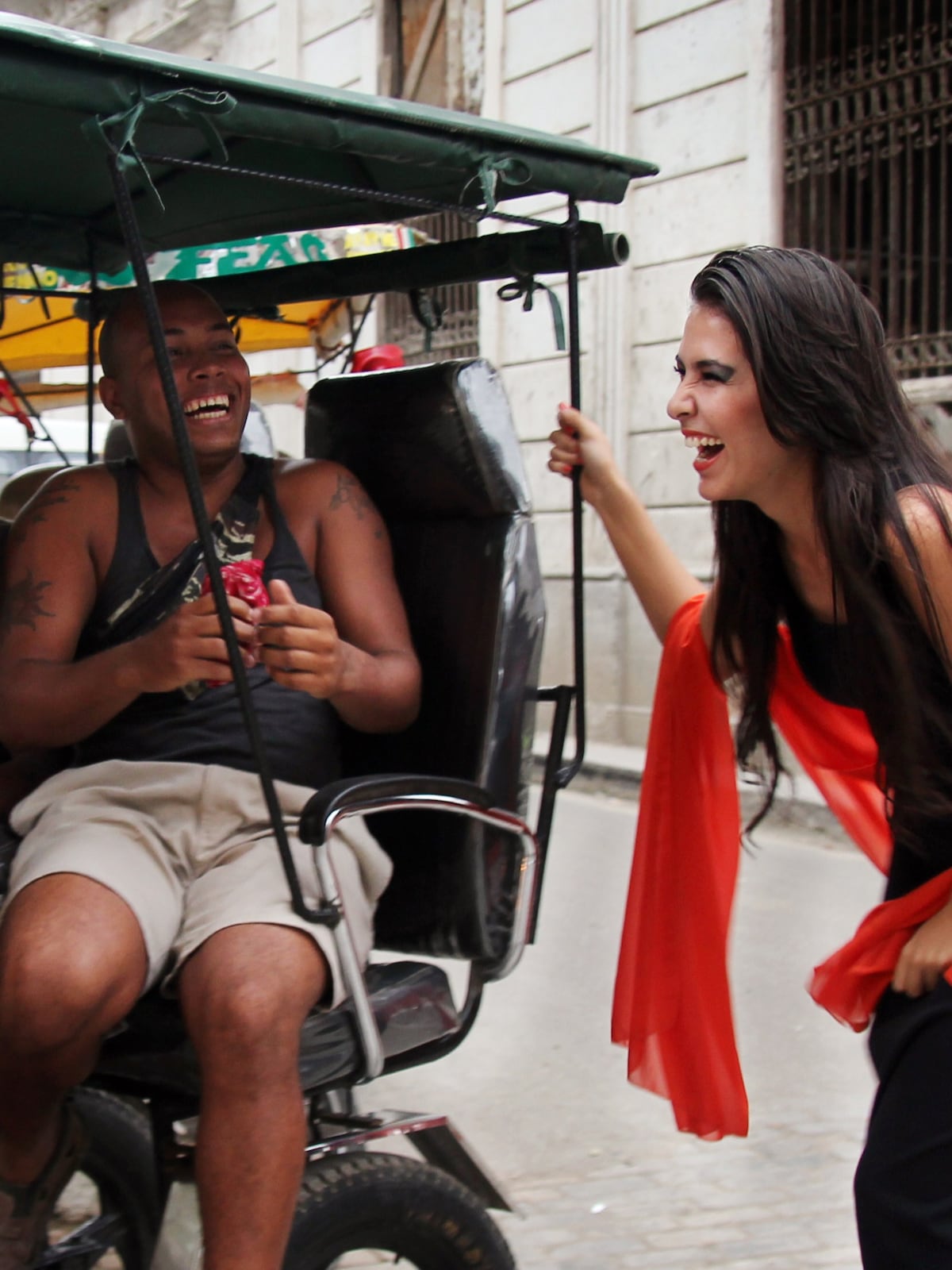
Cuban soul in pictures
Let's get inspired by the spirit of Havana, and lose ourselves around its most authentic neighborhoods, reaching some of the greatest pics of your travel! I’ll share stories and guide you through several architectural periods, from Spanish colonization to Cuba’s iconic ‘50s. You’ll get a sense of our people, culture, and traditions along the way. After a time of walk and stories inside old town, we'll jump into the modern side of the city, shooting in a convertible car by the sea and feeling the vibes of the Cuban people. Then we'll go to my favorite bar, where we'll enjoy a great view of the city, while we have a drink and I share with you what life is like for a young Cuban photographer in Havana.
Other things to note:
No extra payment in cash is needed once you book the experience.
Date not listed? Send us a message!
If you wish to take part in a photography workshop, please bring your camera as well.
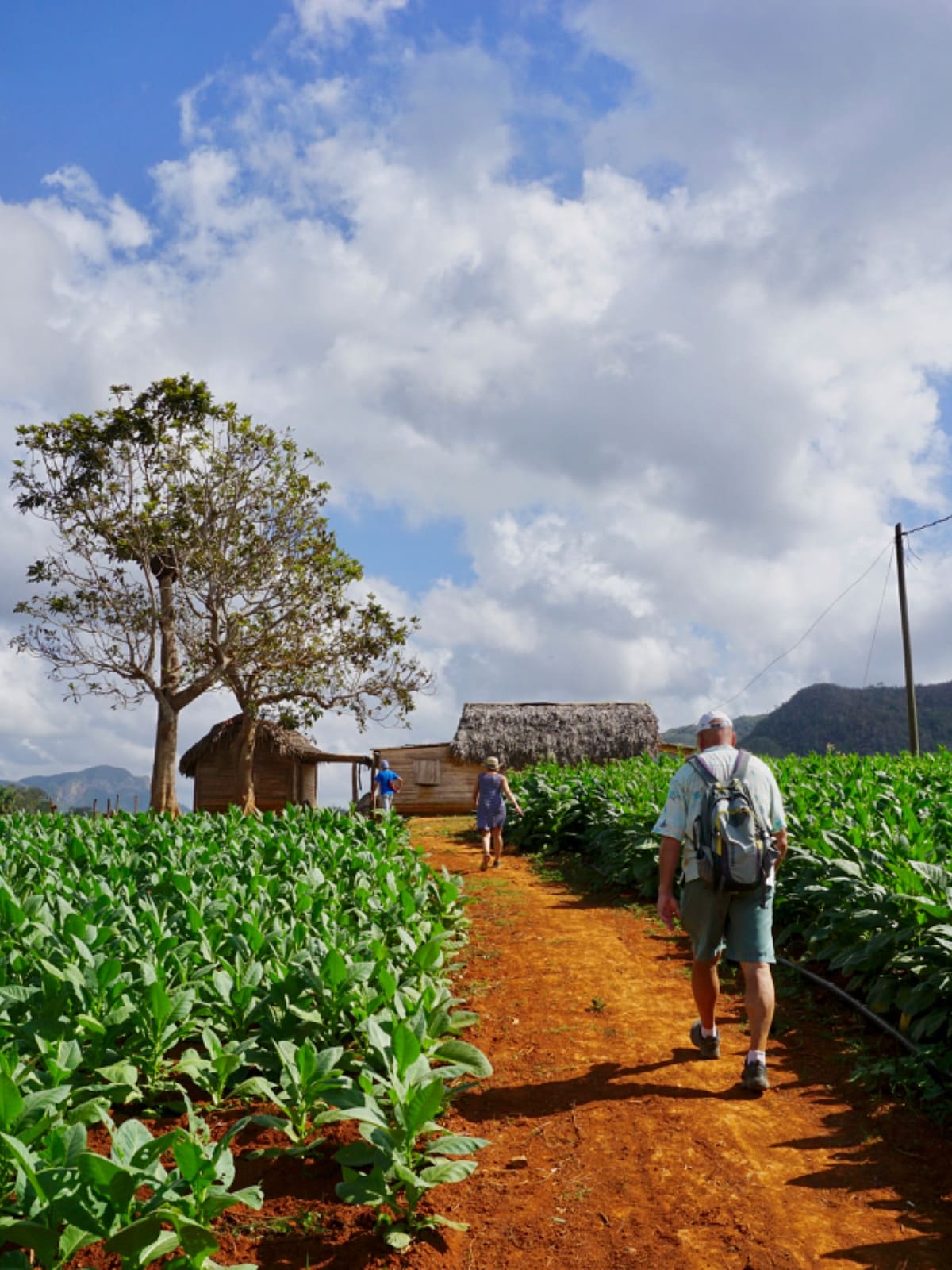
The Genuine Non Touristy Viñales Valley <also from Viñales>
Hola, Welcome to a Genuine Adventure not a generic tour
We won't take you to "farms" already set up for visitors and tourist trap attractions
Instead we'll have fun in a relaxing exploration of the heart of the Valley, passing by tobacco fields and other crops meeting and engaging along the way with farmer friends and family,enjoying the best Piña Colada ever
We'll visit Don Pepe's Farm, 6th generation of expert tobacco farmers to learn first hand about the traditional methods of cultivation that has made Habanos Cigars the best in the world
We'll enjoy lots of great stories about country life style while witnessing a Cigar rolling demonstration
Don't leave without tasting Don Pepe's craft made cigars.That’s on us
We'll continue to explore the Valley by foot and those who want to go for even more fun can join Pochy a genuine Cuban cowboy for an optional horseback riding experience
Our adventure goes on visiting my aunt Papita's Coffee Farm. You'll simply love her and the farm! Papita will share the secrets of a long family tradition
More incredible stories and laugh while tasting a memorable farm to table home cooked meal
Don't miss the Cave El Farallón with impressive carstic formations 200M old
Join us, feel like a dear friend, not a tourist
NOTICE: The Experience total cost is 80€ Due to our high inflation we are collecting 65€ on spot SORRY for the inconvenience

Discover The Valley of Viñales
Note
The total price of the tour is 80€ per person. You must pay 10€ on Airbnb and 70€ or USD in cash on the day of the experience, it is for the increase in the devaluation of the Cuban $
We will pick you up at your hotel or casa particular in Havana. We will start a trip until we get to Viñales National Park, first you will meet my cousin; Ariel, who will be his guide. We will visit: El Mirador de los Jazmines, where you can see the most beautiful view of the Valley of Viñales. Then we'll go through the Prehistoric Mural to learn about the history of this place and what the prehistoric paintings represent. We will move to the Indian Cave for a boat ride inside the Cave through an underground river that runs through it. From here, we will head to my family's tobacco farm; by horseback riding or walking we will get there to explore the picturesque Valley of the Silence. We will spend some time here; while the chef makes us lunch; we will show you the crops and meet our animals before visiting the inside of the tobacco house where we will teach you how to make your own cigar and smoke it naturally with a drink or two of rum for Cuban authenticity! We'll also try the fresh honey and Creole coffee grown in this region. Undoubtedly, my village is a paradise and will take an unforgettable experience with it
What Havana has to offer
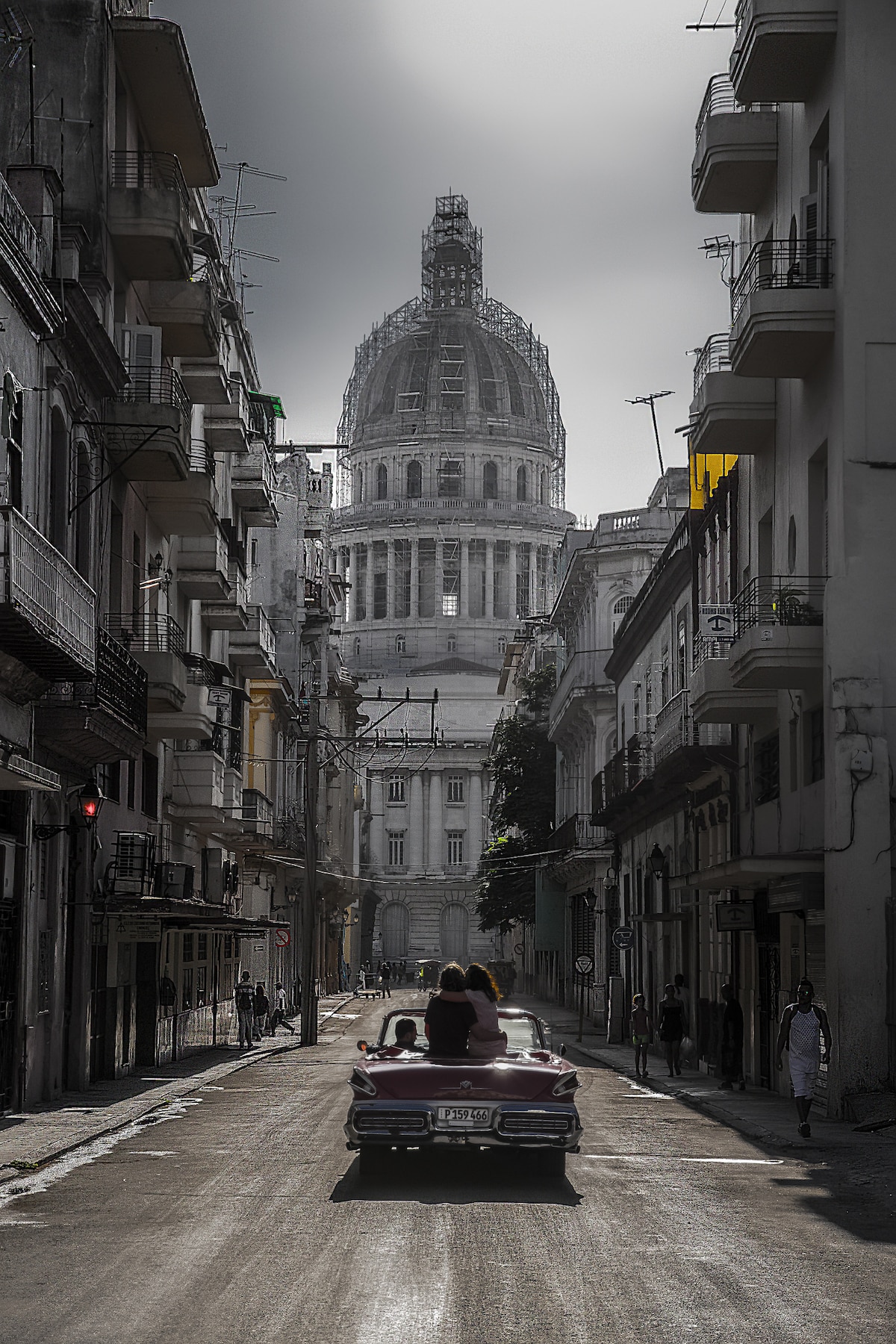
Feeling Havana (private experience)
This is an overall experience for you don't miss anything in Havana!!
Our goal is to provide a personal experience so we ONLY host PRIVATE GROUPS. ( Any number)
IMPORTANT!!!... additional 35 USD in CASH will be charge per guest.
(If you book ONLY 1 spot 60 USD)
We will meet at Sevilla Hotel, after introduce each other I will provide you and overall explanation of the Cuban history and the surrounding buildings and monuments. Our walking tour starts on Obispo Street revealing all the secrets behind its magnificent and diverse architecture, at the same time you will be introduce to essential aspects of Cuban everyday life. Once in the Historical Center we will explore the squares that were the center of political, commercial and religious life in colonial times, you will learn from pirate’s attacks, religion, how Mojito was invented to the story of Guantanamo Bay. We will make other stop for you to try Cuban snacks (churros) and will lead you to an amazing rooftop for continuing our talking meanwhile you enjoy a Cuban classic drink, beer or juice (as you prefer).
It’s time then for the panoramic convertible classic car tour, the route is designed in the same way the city of Havana grew, starting from Central Habana, passing through Vedado, Square of the Revolution, Cemetery of Habana, New Vedado, Havana’s Rainforest, Miramar and Malecon.
Get in touch for modifications!
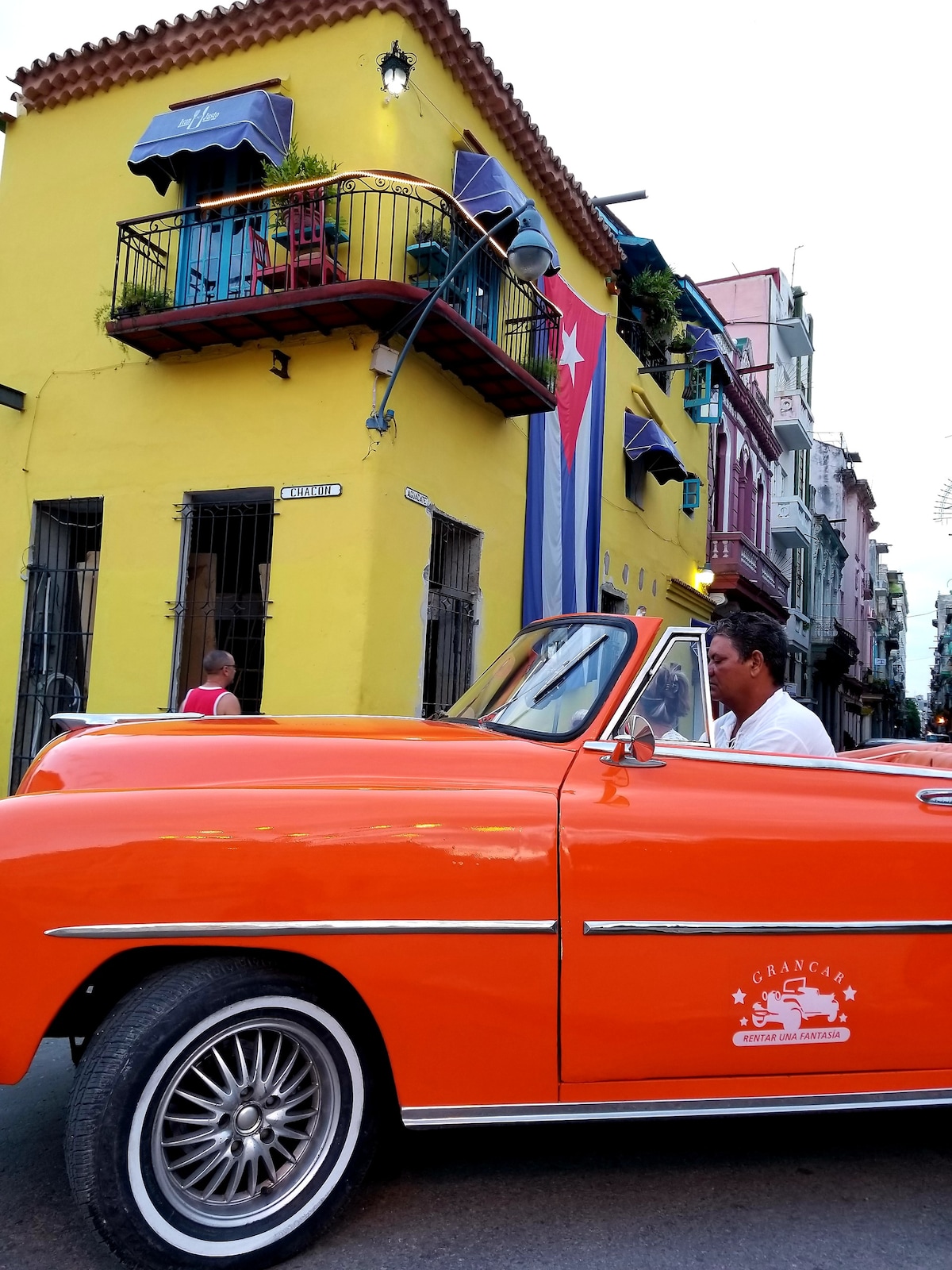
Exploring Havana's charms & Classic Car Adventure
***PLEASE READ TILL THE END, THANKS***
We will tour the history of Havana through its streets, places of historical relevance and cultural richness, and what better way to do it than in a CONVERTIBLE CLASSIC CAR from the 50s. During a 2-hours car ride, you will know some remarkable places like the Capitol of Havana, Alicia Alonso Grand Theater, Fraternity Park, Church of the Sacred Heart of Jesus, Revolution Square, Christopher Columbus Necropolis, Havana's Forest, National Hotel, etc. The car ride will have 4 main stops in either of these places.
During the tour, we’ll talk about history, culture, religion and politics. Besides, apart from knowing a plethora of historical facts about Havana, we will offer you very useful information such as the best places to buy Souvenirs, Tobacco, and Rum; recommendations of Cuban restaurants, Museums and Night Club to visit, etc.
IMPORTANT
We would like to clarify that: PAYMENT MADE BY THE AIRBNB platform corresponds to our fees as guides and hosts of the experience. The 2-hours TOUR in the CLASSIC CAR COSTS 60 USD or 60 EUROS IN CASH. This payment is per car, not per person, and will be divided by the number of guests (1-4 guests per car). This strategy allows a lower cost per person and works best for groups of 2 participants or more.
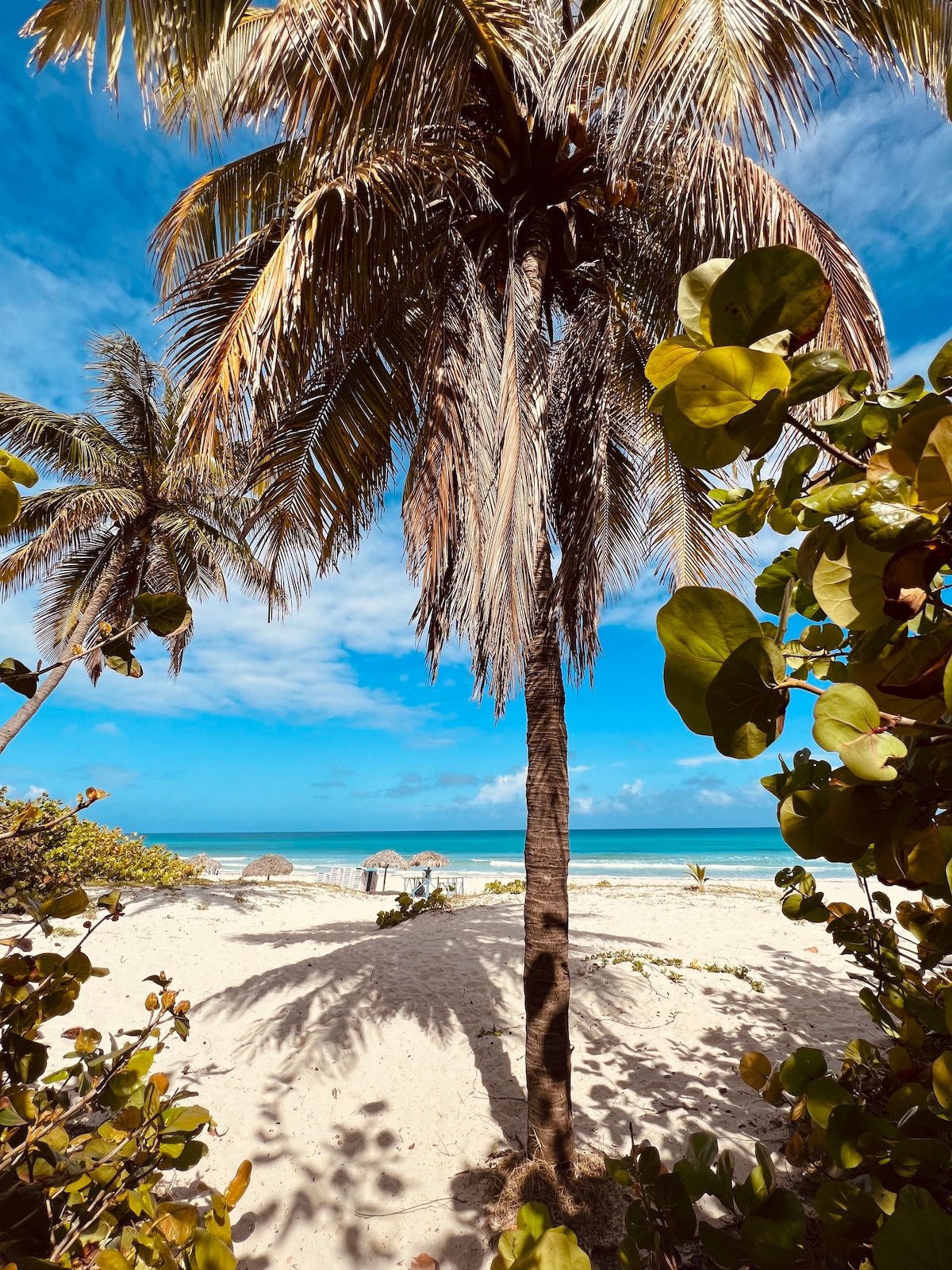
The hidden beaches in Varadero
IMPORTANT !
Total price for the experience is $99 per person, from which $29 are paid when booking on Airbnb and $70 are paid in cash on experience day, this is due to the increasing devaluation of Cuban peso
Pick you up at B&B or hotel and start our experience driving to Varadero beach. Half way we will stop at the highest bridge in Cuba to admire a spectacular landscape and enjoy a very well received morning snack.
After this break, without delay we continue right to the beach so we enjoy it during the morning, certainly the best hours. Guests will feel the charm of Varadero by visiting almost virgin zones bearly changed by humans. These secrets and hidden swimming areas are only known by locals, fishermen and this humble host.
Next we go for lunch to a place surrounded by locals, so the real Cuba, its people and tasty food brought to you as it is.
When we finish our delicious food we go back to the car and drive towards the Saturn Caves, the last hit of charm from Mother Nature that will make you just love Cuba even more. A flooded cave full of stalagmites and stalactites and a natural fresh water spring and lake for you to swim and refresh yourself from the salty water. Ideal place for photos and romantic moments.
After some swimming time we drive back to your B&B or hotel or any other destination that guests decide whiting Havana
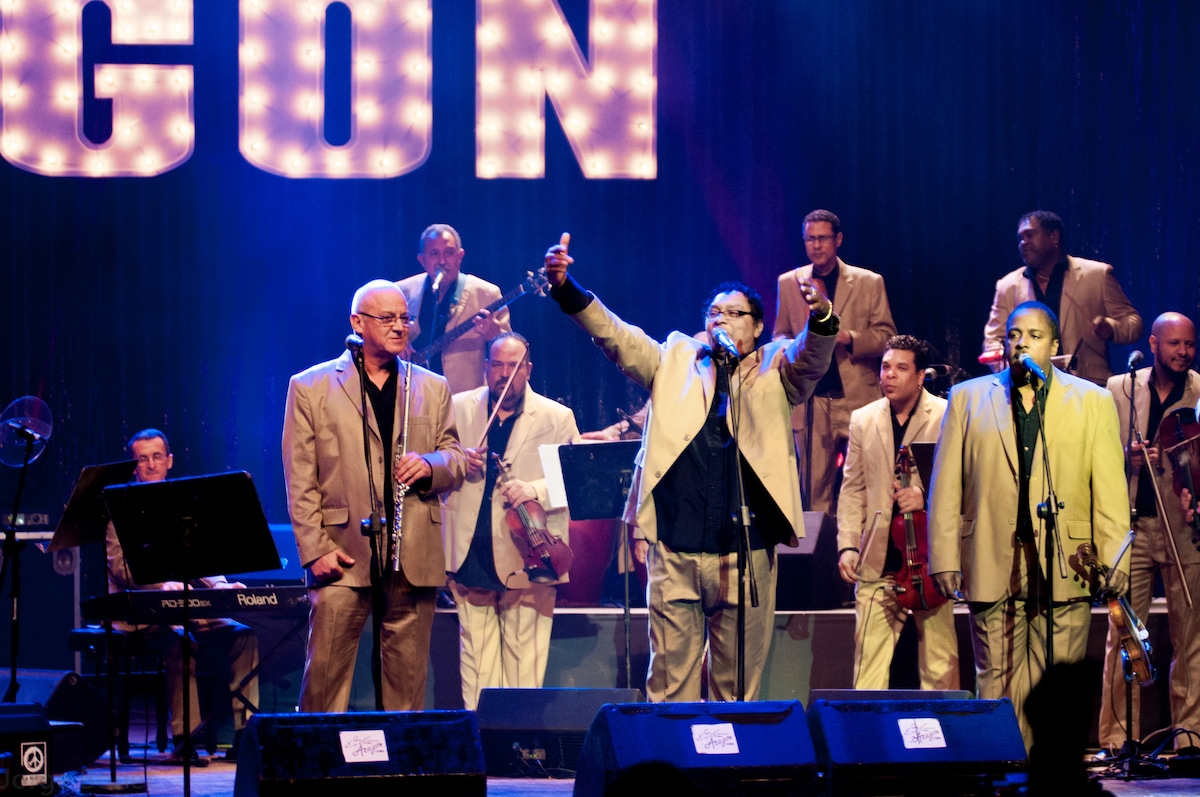
Buena Vista Social Club Live and more...
Do you want to live one of the most legendary and authentic moments of Cuban music? This is a great opportunity to guarantee your ticket to one of the most emblematic concerts (repertoire) in Cuba: the Buena Vista Social Club Tribute.
Winners of a Grammy, it has been the Cuban musical phenomenon that has led the rich Cuban "Son" all over the world. You will see that legendary repertoire and show from the golden age of Cuban music of the 50s, by an actually orchestra integrated by the most experienced musicians (the legends still alive) where you can DANCE the best traditional music.
First we will meet my friend Amalia (a passionate about Cuban music) in one of my favorite bars in Old Havana, there we will meet each other and we will talk about Cuban music and our cultures.
Then we will walk to the second location where you will have reserved a table entitled to dinner and 3 Cuban drinks to enjoy one of the most coveted SHOWS in the world: Buena Vista Social Club Show. The concert will be at El Guajirito or with Tradicionales de los 50, depending on the day of your reservation.
*I recommend wearing fresh clothes since Cuba is a hot country
Arrival or return transportation is NOT guaranteed, but we will give you the best tips.
We will walk approximately 500 meters between the first place and the second place, and climb stairs in second place.
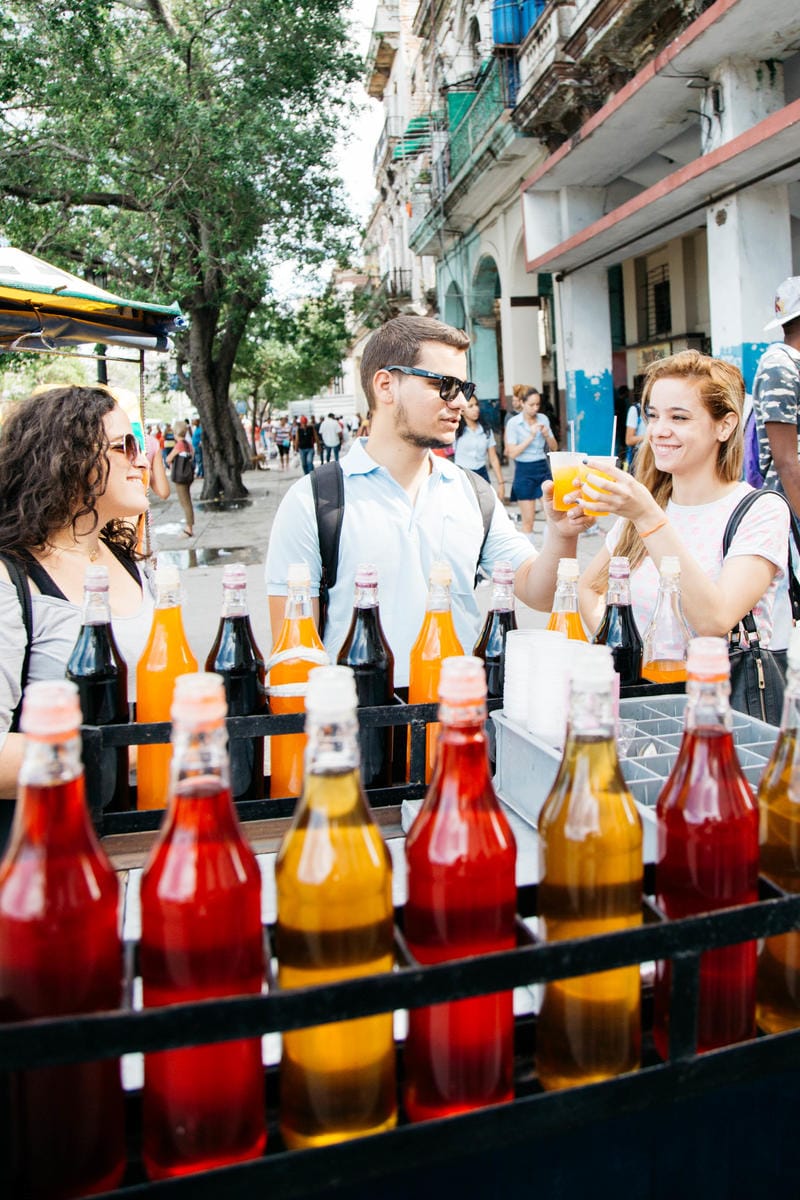
Explore Cuban life with a local
We'll meet in the city center and travel to a popular neighborhood using public transportation, just as typical Cubans do. We'll walk through the community and interact with the people there so you can see what a normal day is like for the locals.
We'll learn about the educational and health systems, visit and learn about historical places, and get to know and interact with small businesses that are part of the lives of the Cuban people.
Together, we'll experience the daily lives and idiosyncrasies of Cubans, and learn about the main accomplishments and challenges of our economic and social reality. The day will end at my family's home, where you will get to know the story of my Cuban family, and also taste some typical drinks and snacks.
Other things to note
Be prepared to walk between two to five kilometers and interact with local people. Bring your sunscreen.
Most popular in Havana
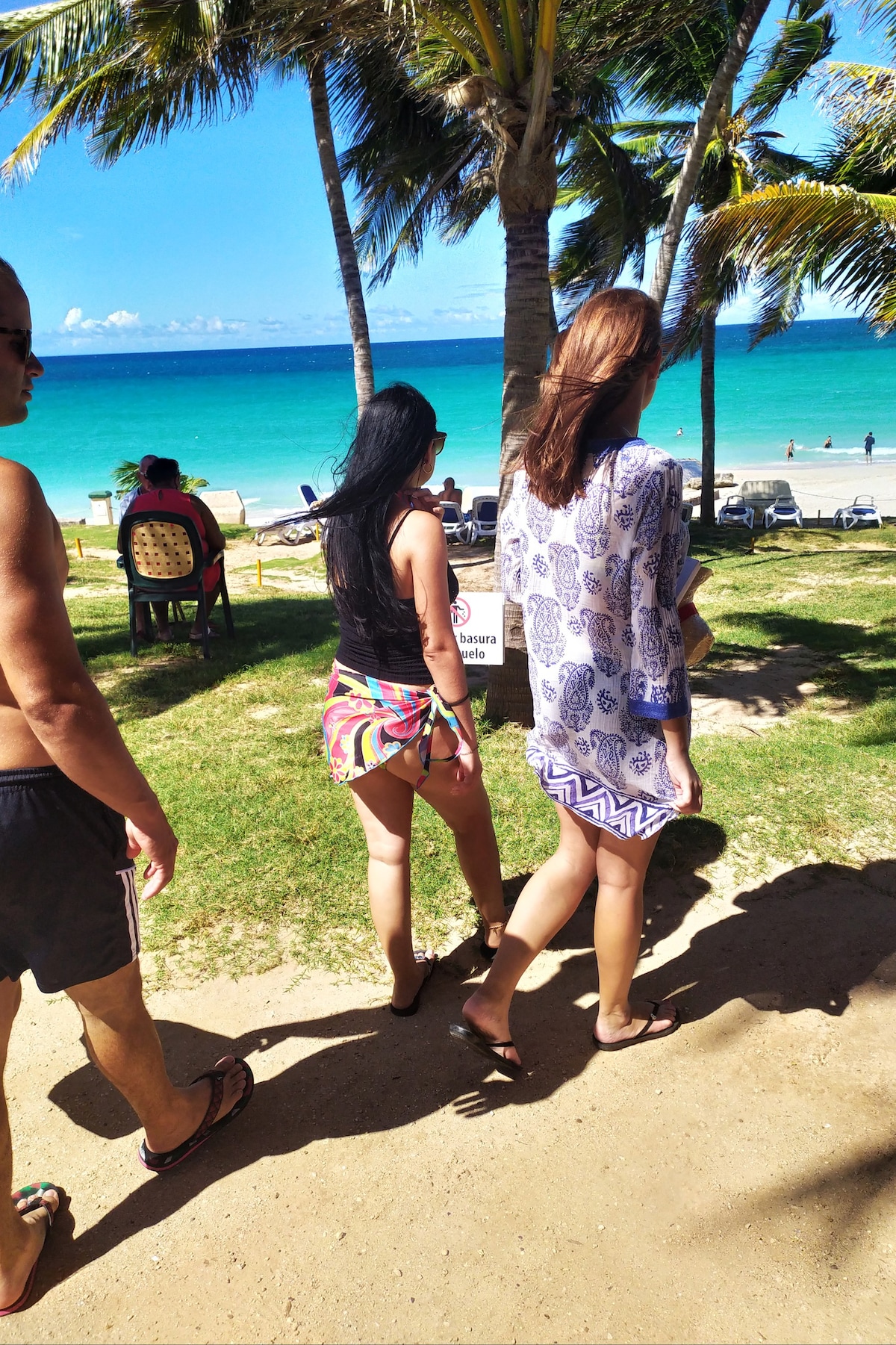
Unforgettable Varadero-All Inclusive
Important:
You should know that due to the inflation suffered by the Cuban economy and the constant devaluation of its national currency, you must pay 70 euros in cash on the day of the experience. We apologize for any inconvenience this may cause.
Itinerary:
Pick up at your Airbnb residence or your hotel and departure to Varadero.
Stop and enjoy wonderful views at the Bacunayagua Bridge, the highest in Cuba and considered one of the seven wonders of Cuban architecture, you will taste the best piña colada in Cuba while observing the incredible natural landscape. (included)
Exploring the cave of Saturn, we will make a small walking tour until we enter the cave, inside we will observe stalagmites and stalactites and enjoy a refreshing swim in the underground river, you will be surprised to see the crystalline waters of the river.
Panoramic tour through the urban area of Varadero, where you will learn the history of this world famous town, visited by great personalities of all time.
Time for lunch, we will enjoy the tasty traditional Cuban food. (Included)
Time for sunbathing go swimming in the fabulous beaches of Varadero (the time on the beach is 3 hours to 4 hours, it depends on the time spent at the previous stop points).
Return to Havana and return to your residence.
We are a private business so we apply to the category "Support for the Cuban People" through which Americans can travel to Cuba.
We will do the trip in small groups of 5 people maximum..
The trip from Havana to Varadero is 2.5 hours long.
In our experience you will be part of a group that will have a maximum of 5 clients.
The time at the beach is 4 hours
approximately, this time may vary depending the interests of the group and the time consumed at each stop of the tour.
Other experiences of our team:
Unforgettable Viñales-All Inclusive
https://www.airbnb.com/experiences/497916

Walking Tour, Welcome to Havana
*IMPORTANT: NO extra payments are required for this experience. The experience will be only offered in English language. If you are coming with children, be aware it is a long distance walk and they will get tired pretty soon. You will be greeted either by me or my co-host.
Follow us on IG @havanaculturalwalking to see pictures from previous tours and share yours :-)
We will take you through the most popular area of our city, Old Havana. You'll get to visit the best landmarks in this zone. It’s the best way to have an introduction to Havana's culture and history. There, we will tell you about many topics travelers are usually interested in. This tour deals with CULTURE, ARCHITECTURE, ECONOMY, HISTORY, POLITICS, RELIGION and ART, however, we don't offer an specialized tour in any of these topics.
Each topic is closely related to the next one, so this is a unique opportunity to learn a little but about everything. We will introduce you to the Cuban reality from the ground.
You'll end up having many ideas for things to do and places to visit. Also, we'll answer any questions you might have, no question is off limit… we will recommend restaurants and places to visit.
We understand many travelers love to know as many details as possible about what's going to happen in the experience, however, you shouldn't miss this one because it's full of surprises.

Eating Cuban Street Food, All Inclusive
(The payment will be made in two parts, 5 usd through Airbnb, and another 35$ per person when we meet) In this tour you will become one more Cuban!
For a couple of hours we will walk the streets of the emblematic Vedado, you will share our customs, you will try the typical street foods of our city, it will be the daily walk of the Cuban, also enriched with the description that I will give you of places of great historical and cultural importance. You will visit our markets where you will learn about our traditional food and its preparation, thus connecting more with our people. In addition to the good times, you will be able to count on tips so that your stay in my country can be made the most of and you fall in love with Cuba.
We have airport pick up service if you do not have the transport that takes you to your rental/hotel yet.
We also have several types of tours that may interest you and make you enjoy your stay in Cuba even more.
https://es.airbnb.com/users/show/223564197
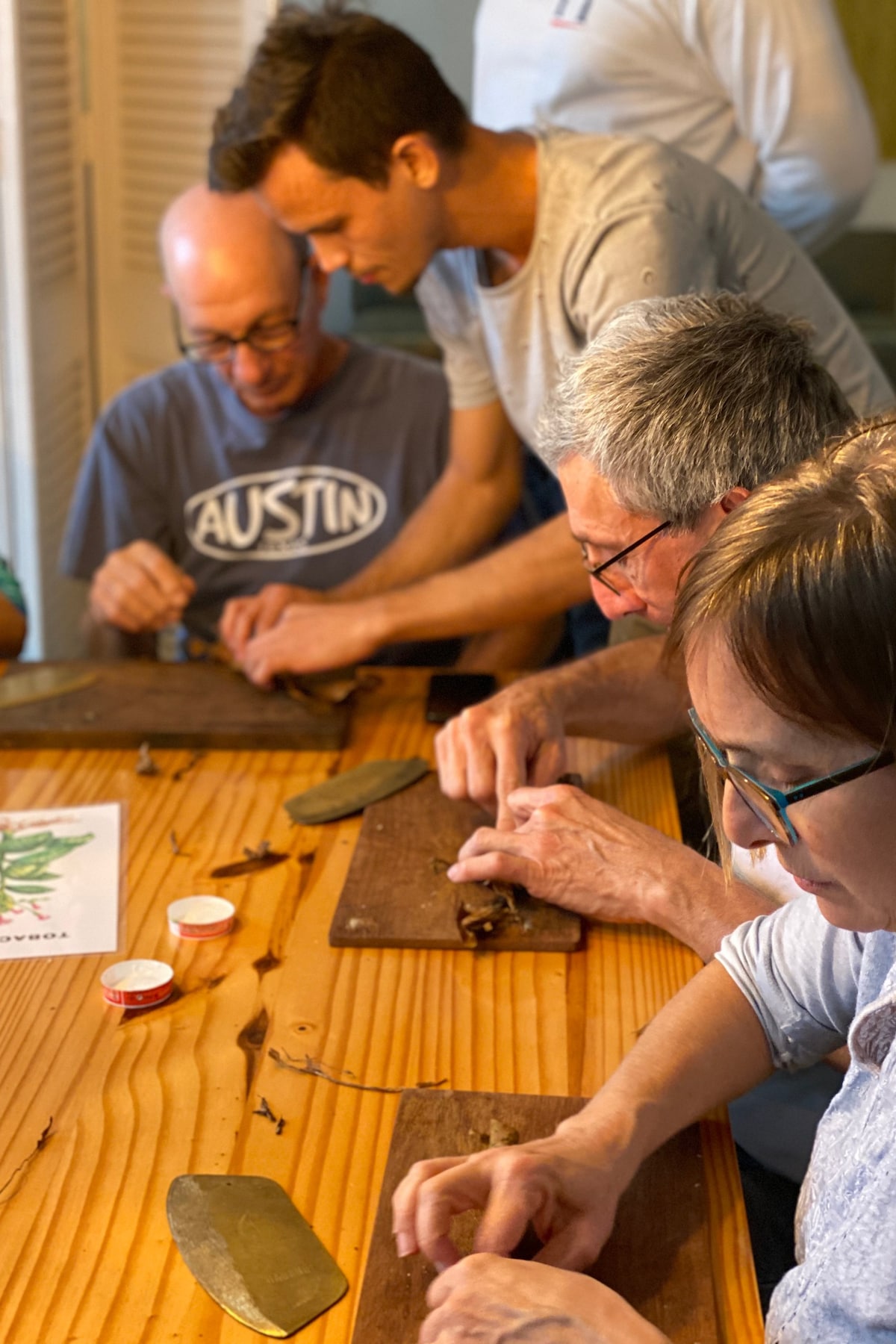
Cigar rolling and pairing Masterclass
This experience focuses on the difficult process of making a cigar. From the hand of an experienced cigar roller we will learn to make an examplar, we will explain all the specificities that accompany the process of making this product, from the time it is grown, until it reaches your hands. This will be the perfect time for our CIGAR CHALLENGE, after which we will reward the best cigar roller of the experience.
After choosing our winner (special ceremony included), we will go on to what we consider to be an authentic ritual: the smoking of the habano, action that we will combine with other delights, giving way to an excellent pairing among cigars, rum and coffee. And then, SURPRISE, a second contest!! We will be competing among each other to select the person who manages to keep the longest cigar ash, and the one who best performs some other tricks we will be teaching you. This is called: LONG ASH CONTEST.
At the end of the experience more gifts will come, and that is because we do not want you to leave without taking with you souvenirs related to this experience, so you will be bringing home with you some amazing memories but also little things that will forever remind you of Cuba.
IMPORTANT NOTE: We do not include or charge any additional fee for transportation. Please be aware of the time settled for your experience and, lastly, be ready to smoke, learn and enjoy.
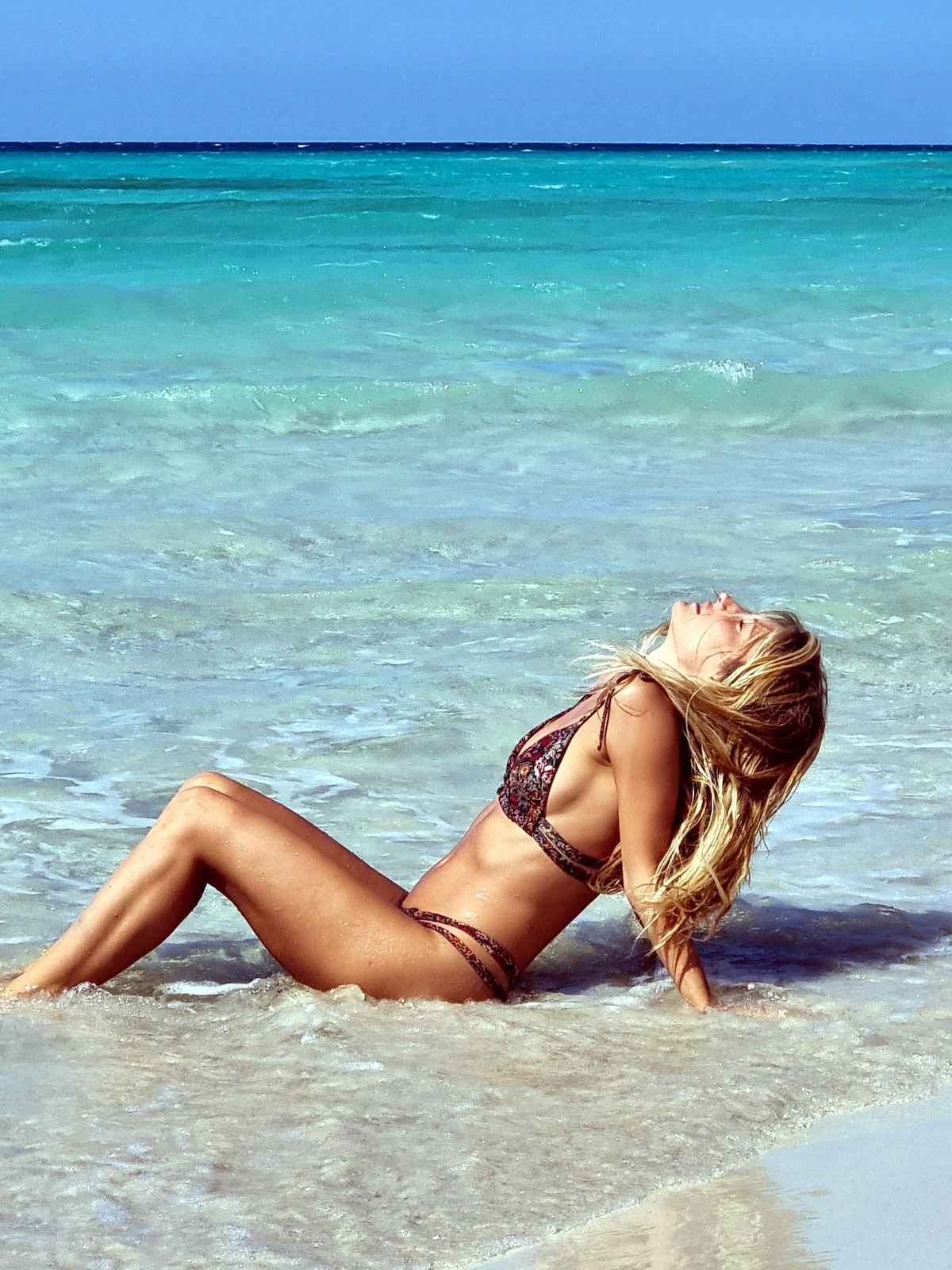
Varadero plus, snorkeling and cave
Hola! Thanks for checking our Varadero experience. Not just a day at the beach but lots of fun, new experiences and all your memories saved in cool pictures included!!
Important:On the tour day, 80 usd/€ cash each will be paid as a reminder of the price. We need two guests minimun. Solo travelers contact us first.
Our experience starts at your accommodation where you will be picked up and our first stop will be at Bacunayagua's Viewpoint. With a piña colada in hands(included) you will admire the astonishing views of Yumuri Valley and the highest bridge in Cuba.
After this we will invite you for snorkeling at one of the largest Coral barriers in the north coast of Cuba with an amazing diversity of fishes, corals and sea fans. The ideal scenario for our included underwater pictures!
Five minutes from there is Saturn's cave with incredible stalagmites and stalactites formations and flooded in fresh crystal clear water its the perfect place for swimming and relaxing!
For lunch we will take you to a restaurant with very good food and prices (not included, 10usd maximum). Finally you will have time to relax and enjoy in one of the best beaches of the world, known for its white sand and crystalline waters:Varadero beach!
Right before the farewell we will do a panoramic tour in Varadero town with a stop for pictures
Entrance fees, transportation & snorkeling equipments are included
All activities near Havana
UNDERSTAND CUBA TODAY WITH A SOCIOLOGIST
**If you are in Cuba and unable to book, please ask someone in your country to make the reservation on Airbnb for you.
Is Cuba a socialist country? How does free education and health care work in this country? What effect has the Revolution had on Cuban society?
In this experience, you will see Cuban life in local markets, pharmacies and stores and you will understand the core of our main social challenges, why there is a black market and how it operates, how people can purchase necessities with currencies different from their salaries and you will also learn about what makes us feel proud to be Cubans, our resilience and idiosyncrasy.
Walking around 1.5 kilometers in Old Havana, you will visit a private food market to understand how Cuba's unstable currency impacts people's life.
You will visit a pharmacy to learn about Cuba's health care system and why our doctors are so famous worldwide. Then you will go to a ration store so you can observe and understand how the subsidized food functions. Is it free? Are the rations enough for a month?
Understand Cuba once and for all, in a simple but insightful manner where you will listen, not only amazing stories, but also statistics that support what you will see while you walk. This is our vision of the real Cuba: the honest way.
Shooting in Havana
Our meeting point is outside Inglaterra Hotel it’s located at the heart of Old Havana, from there we will start our walk and shooting, as result you will obtain perfect photos to fit your social media and a beautiful memory from your trip to La Havana, I’ll take you to the most iconic corners of my city and I’ll show you real Cuban neighborhoods as well, visiting them you will gather more information about how Cubans live, our culture, issues and our happiness. In our walk I would like you to tell me about your experiences in the city and it will be my pleasure to talk to you about my vision from our island meanwhile I’ll take beautiful and unique portraits from you while we enjoy La Havana. I recommend to wear comfortable shoes and bring extra outfits if you want different clothing for your photos. We will have a great day, chat, art, photos, history and Havana.
If you book the private experience you will have one hour in a classic car. The payment of the convertible is included, you don’t need to bring any cash!
As result you will obtain 25 high end and retouched photos of you (digital), besides that you will take home a new friend and a beautiful day in La Havana.
If you own an iPhone I can copy to you all the raw photos after our shooting. It also works if you have a smartphone with a C port for charging.
Check more of my work
IG shootinginhavana
Cuban soul in pictures
Let's get inspired by the spirit of Havana, and lose ourselves around its most authentic neighborhoods, reaching some of the greatest pics of your travel! I’ll share stories and guide you through several architectural periods, from Spanish colonization to Cuba’s iconic ‘50s. You’ll get a sense of our people, culture, and traditions along the way. After a time of walk and stories inside old town, we'll jump into the modern side of the city, shooting in a convertible car by the sea and feeling the vibes of the Cuban people. Then we'll go to my favorite bar, where we'll enjoy a great view of the city, while we have a drink and I share with you what life is like for a young Cuban photographer in Havana.
Other things to note:
No extra payment in cash is needed once you book the experience.
Date not listed? Send us a message!
If you wish to take part in a photography workshop, please bring your camera as well.
The Genuine Non Touristy Viñales Valley <also from Viñales>
Hola, Welcome to a Genuine Adventure not a generic tour
We won't take you to "farms" already set up for visitors and tourist trap attractions
Instead we'll have fun in a relaxing exploration of the heart of the Valley, passing by tobacco fields and other crops meeting and engaging along the way with farmer friends and family,enjoying the best Piña Colada ever
We'll visit Don Pepe's Farm, 6th generation of expert tobacco farmers to learn first hand about the traditional methods of cultivation that has made Habanos Cigars the best in the world
We'll enjoy lots of great stories about country life style while witnessing a Cigar rolling demonstration
Don't leave without tasting Don Pepe's craft made cigars.That’s on us
We'll continue to explore the Valley by foot and those who want to go for even more fun can join Pochy a genuine Cuban cowboy for an optional horseback riding experience
Our adventure goes on visiting my aunt Papita's Coffee Farm. You'll simply love her and the farm! Papita will share the secrets of a long family tradition
More incredible stories and laugh while tasting a memorable farm to table home cooked meal
Don't miss the Cave El Farallón with impressive carstic formations 200M old
Join us, feel like a dear friend, not a tourist
NOTICE: The Experience total cost is 80€ Due to our high inflation we are collecting 65€ on spot SORRY for the inconvenience
Discover The Valley of Viñales
Note
The total price of the tour is 80€ per person. You must pay 10€ on Airbnb and 70€ or USD in cash on the day of the experience, it is for the increase in the devaluation of the Cuban $
We will pick you up at your hotel or casa particular in Havana. We will start a trip until we get to Viñales National Park, first you will meet my cousin; Ariel, who will be his guide. We will visit: El Mirador de los Jazmines, where you can see the most beautiful view of the Valley of Viñales. Then we'll go through the Prehistoric Mural to learn about the history of this place and what the prehistoric paintings represent. We will move to the Indian Cave for a boat ride inside the Cave through an underground river that runs through it. From here, we will head to my family's tobacco farm; by horseback riding or walking we will get there to explore the picturesque Valley of the Silence. We will spend some time here; while the chef makes us lunch; we will show you the crops and meet our animals before visiting the inside of the tobacco house where we will teach you how to make your own cigar and smoke it naturally with a drink or two of rum for Cuban authenticity! We'll also try the fresh honey and Creole coffee grown in this region. Undoubtedly, my village is a paradise and will take an unforgettable experience with it
Unforgettable Varadero-All Inclusive
Important:
You should know that due to the inflation suffered by the Cuban economy and the constant devaluation of its national currency, you must pay 70 euros in cash on the day of the experience. We apologize for any inconvenience this may cause.
Itinerary:
Pick up at your Airbnb residence or your hotel and departure to Varadero.
Stop and enjoy wonderful views at the Bacunayagua Bridge, the highest in Cuba and considered one of the seven wonders of Cuban architecture, you will taste the best piña colada in Cuba while observing the incredible natural landscape. (included)
Exploring the cave of Saturn, we will make a small walking tour until we enter the cave, inside we will observe stalagmites and stalactites and enjoy a refreshing swim in the underground river, you will be surprised to see the crystalline waters of the river.
Panoramic tour through the urban area of Varadero, where you will learn the history of this world famous town, visited by great personalities of all time.
Time for lunch, we will enjoy the tasty traditional Cuban food. (Included)
Time for sunbathing go swimming in the fabulous beaches of Varadero (the time on the beach is 3 hours to 4 hours, it depends on the time spent at the previous stop points).
Return to Havana and return to your residence.
We are a private business so we apply to the category "Support for the Cuban People" through which Americans can travel to Cuba.
We will do the trip in small groups of 5 people maximum..
The trip from Havana to Varadero is 2.5 hours long.
In our experience you will be part of a group that will have a maximum of 5 clients.
The time at the beach is 4 hours
approximately, this time may vary depending the interests of the group and the time consumed at each stop of the tour.
Other experiences of our team:
Unforgettable Viñales-All Inclusive
https://www.airbnb.com/experiences/497916
Walking Tour, Welcome to Havana
*IMPORTANT: NO extra payments are required for this experience. The experience will be only offered in English language. If you are coming with children, be aware it is a long distance walk and they will get tired pretty soon. You will be greeted either by me or my co-host.
Follow us on IG @havanaculturalwalking to see pictures from previous tours and share yours :-)
We will take you through the most popular area of our city, Old Havana. You'll get to visit the best landmarks in this zone. It’s the best way to have an introduction to Havana's culture and history. There, we will tell you about many topics travelers are usually interested in. This tour deals with CULTURE, ARCHITECTURE, ECONOMY, HISTORY, POLITICS, RELIGION and ART, however, we don't offer an specialized tour in any of these topics.
Each topic is closely related to the next one, so this is a unique opportunity to learn a little but about everything. We will introduce you to the Cuban reality from the ground.
You'll end up having many ideas for things to do and places to visit. Also, we'll answer any questions you might have, no question is off limit… we will recommend restaurants and places to visit.
We understand many travelers love to know as many details as possible about what's going to happen in the experience, however, you shouldn't miss this one because it's full of surprises.
Feeling Havana (private experience)
This is an overall experience for you don't miss anything in Havana!!
Our goal is to provide a personal experience so we ONLY host PRIVATE GROUPS. ( Any number)
IMPORTANT!!!... additional 35 USD in CASH will be charge per guest.
(If you book ONLY 1 spot 60 USD)
We will meet at Sevilla Hotel, after introduce each other I will provide you and overall explanation of the Cuban history and the surrounding buildings and monuments. Our walking tour starts on Obispo Street revealing all the secrets behind its magnificent and diverse architecture, at the same time you will be introduce to essential aspects of Cuban everyday life. Once in the Historical Center we will explore the squares that were the center of political, commercial and religious life in colonial times, you will learn from pirate’s attacks, religion, how Mojito was invented to the story of Guantanamo Bay. We will make other stop for you to try Cuban snacks (churros) and will lead you to an amazing rooftop for continuing our talking meanwhile you enjoy a Cuban classic drink, beer or juice (as you prefer).
It’s time then for the panoramic convertible classic car tour, the route is designed in the same way the city of Havana grew, starting from Central Habana, passing through Vedado, Square of the Revolution, Cemetery of Habana, New Vedado, Havana’s Rainforest, Miramar and Malecon.
Get in touch for modifications!
Varadero plus, snorkeling and cave
Hola! Thanks for checking our Varadero experience. Not just a day at the beach but lots of fun, new experiences and all your memories saved in cool pictures included!!
Important:On the tour day, 80 usd/€ cash each will be paid as a reminder of the price. We need two guests minimun. Solo travelers contact us first.
Our experience starts at your accommodation where you will be picked up and our first stop will be at Bacunayagua's Viewpoint. With a piña colada in hands(included) you will admire the astonishing views of Yumuri Valley and the highest bridge in Cuba.
After this we will invite you for snorkeling at one of the largest Coral barriers in the north coast of Cuba with an amazing diversity of fishes, corals and sea fans. The ideal scenario for our included underwater pictures!
Five minutes from there is Saturn's cave with incredible stalagmites and stalactites formations and flooded in fresh crystal clear water its the perfect place for swimming and relaxing!
For lunch we will take you to a restaurant with very good food and prices (not included, 10usd maximum). Finally you will have time to relax and enjoy in one of the best beaches of the world, known for its white sand and crystalline waters:Varadero beach!
Right before the farewell we will do a panoramic tour in Varadero town with a stop for pictures
Entrance fees, transportation & snorkeling equipments are included
Eating Cuban Street Food, All Inclusive
(The payment will be made in two parts, 5 usd through Airbnb, and another 35$ per person when we meet) In this tour you will become one more Cuban!
For a couple of hours we will walk the streets of the emblematic Vedado, you will share our customs, you will try the typical street foods of our city, it will be the daily walk of the Cuban, also enriched with the description that I will give you of places of great historical and cultural importance. You will visit our markets where you will learn about our traditional food and its preparation, thus connecting more with our people. In addition to the good times, you will be able to count on tips so that your stay in my country can be made the most of and you fall in love with Cuba.
We have airport pick up service if you do not have the transport that takes you to your rental/hotel yet.
We also have several types of tours that may interest you and make you enjoy your stay in Cuba even more.
https://es.airbnb.com/users/show/223564197
Exploring Havana's charms & Classic Car Adventure
***PLEASE READ TILL THE END, THANKS***
We will tour the history of Havana through its streets, places of historical relevance and cultural richness, and what better way to do it than in a CONVERTIBLE CLASSIC CAR from the 50s. During a 2-hours car ride, you will know some remarkable places like the Capitol of Havana, Alicia Alonso Grand Theater, Fraternity Park, Church of the Sacred Heart of Jesus, Revolution Square, Christopher Columbus Necropolis, Havana's Forest, National Hotel, etc. The car ride will have 4 main stops in either of these places.
During the tour, we’ll talk about history, culture, religion and politics. Besides, apart from knowing a plethora of historical facts about Havana, we will offer you very useful information such as the best places to buy Souvenirs, Tobacco, and Rum; recommendations of Cuban restaurants, Museums and Night Club to visit, etc.
IMPORTANT
We would like to clarify that: PAYMENT MADE BY THE AIRBNB platform corresponds to our fees as guides and hosts of the experience. The 2-hours TOUR in the CLASSIC CAR COSTS 60 USD or 60 EUROS IN CASH. This payment is per car, not per person, and will be divided by the number of guests (1-4 guests per car). This strategy allows a lower cost per person and works best for groups of 2 participants or more.
The hidden beaches in Varadero
IMPORTANT !
Total price for the experience is $99 per person, from which $29 are paid when booking on Airbnb and $70 are paid in cash on experience day, this is due to the increasing devaluation of Cuban peso
Pick you up at B&B or hotel and start our experience driving to Varadero beach. Half way we will stop at the highest bridge in Cuba to admire a spectacular landscape and enjoy a very well received morning snack.
After this break, without delay we continue right to the beach so we enjoy it during the morning, certainly the best hours. Guests will feel the charm of Varadero by visiting almost virgin zones bearly changed by humans. These secrets and hidden swimming areas are only known by locals, fishermen and this humble host.
Next we go for lunch to a place surrounded by locals, so the real Cuba, its people and tasty food brought to you as it is.
When we finish our delicious food we go back to the car and drive towards the Saturn Caves, the last hit of charm from Mother Nature that will make you just love Cuba even more. A flooded cave full of stalagmites and stalactites and a natural fresh water spring and lake for you to swim and refresh yourself from the salty water. Ideal place for photos and romantic moments.
After some swimming time we drive back to your B&B or hotel or any other destination that guests decide whiting Havana

Private Convertible Tour & Photo Session
Important note: this experience requires an extra payment of 75 USD to rent a convertible car for 3 hours, this price is per car (maximum 4 people per car), not per person, and will be divided by the amount of people that will take part in the experience. The payment through Airbnb platform corresponds to our services as guide/photographers. This strategy allows a lower cost per person and works better for groups of 2 guests or more.
This experience will be private, so you will not share the car space with other people.
Join us and discover Havana and its rich culture, in this experience that is carefully designed to combine history, classic cars and photography. We will start our trip in Old Havana and then we will ride a classic convertible car from the '50s through the main landmarks of the city for 3 hours. We will stop briefly in some of the most iconic places for you to get immerse in our rich culture. You will be able to appreciate Havana and its culture through the EYES OF A LOCAL. You will get to know our REAL CUBA, the one we love and we feel proud to share with friend from all around the world. All this will go together with a photo session that will allow you to treasure an unforgettable memory of your stay in Havana.
If you would like to do a shorter ride & photo session take a look to our 2 hours Airbnb experience "Ride in a convertible & photo session".
Buena Vista Social Club Live and more...
Do you want to live one of the most legendary and authentic moments of Cuban music? This is a great opportunity to guarantee your ticket to one of the most emblematic concerts (repertoire) in Cuba: the Buena Vista Social Club Tribute.
Winners of a Grammy, it has been the Cuban musical phenomenon that has led the rich Cuban "Son" all over the world. You will see that legendary repertoire and show from the golden age of Cuban music of the 50s, by an actually orchestra integrated by the most experienced musicians (the legends still alive) where you can DANCE the best traditional music.
First we will meet my friend Amalia (a passionate about Cuban music) in one of my favorite bars in Old Havana, there we will meet each other and we will talk about Cuban music and our cultures.
Then we will walk to the second location where you will have reserved a table entitled to dinner and 3 Cuban drinks to enjoy one of the most coveted SHOWS in the world: Buena Vista Social Club Show. The concert will be at El Guajirito or with Tradicionales de los 50, depending on the day of your reservation.
*I recommend wearing fresh clothes since Cuba is a hot country
Arrival or return transportation is NOT guaranteed, but we will give you the best tips.
We will walk approximately 500 meters between the first place and the second place, and climb stairs in second place.
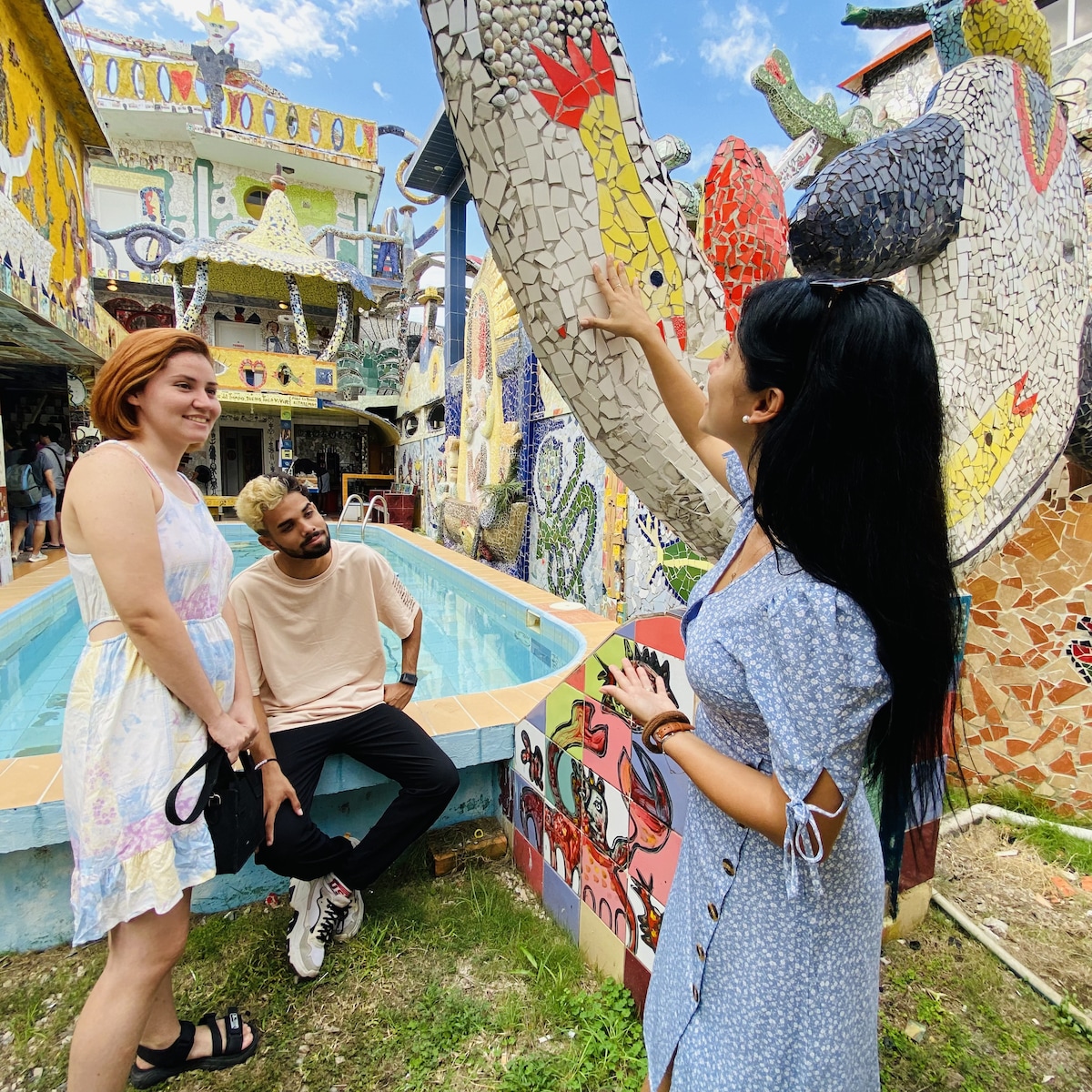
Discover Fusterlandia, the famous and the unknown Cuban Art
**Bookings for 1 person are only allowed as a private experience: $99
**This tour includes transportation, entry fees to the art projects, and specialized information about the history of Cuban Art.
What was the impact of a Socialist Revolution on Cuban Art?
How much did Cuban art change after this Revolution?
How did Cubans reinvent themselves to create art in this country?
During this tour, we will experience three unique perspectives on how Cuban art evolved after the Communist Revolution, visiting places that showcase the transformation.
We will start at the National Museum to learn about Cuban art in the '60s, '70s, and '80s, providing context on the pre-Revolution era. This will set the base for you to understand what was happening before and what happened after the Revolution triumph, then we will jump into a 50’s vintage car to visit Fusterlandia, THE MOST FAMOUS ART COMMUNITY IN HAVANA, created by J. Fuster who has beautified the surroundings of a poor fishermen’s village. Our final stop will be in Callejon de Hamel: a haven for Afrocuban culture where singers, drums and street art tell you about the history of African culture in Cuba. This tour will give you an accurate idea about our history, culture, art and religion all at once, at the time that you enjoy the magnificent art that Cubans have created over these years.