AIRBNB EXPERIENCES
Things to do in Tbilisi
Book unique activities hosted by local experts on Airbnb.
Browse by categories
Top-rated activities
View our most highly rated experiences, loved by guests.
 4.9 out of 5 average rating, 629 reviews
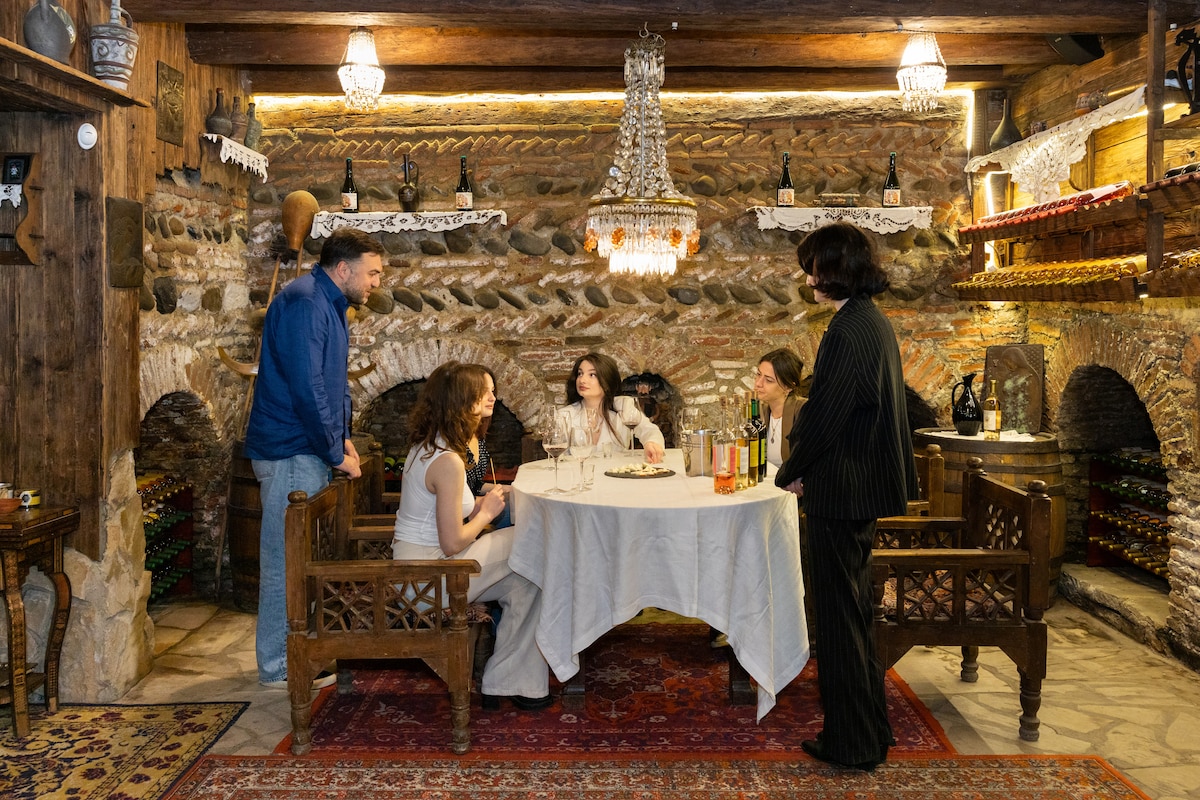
Wine tasting in historic cellar
Learn about Georgian winemaking and try five wines and Chacha in a 200-year-old cellar.
 4.76 out of 5 average rating, 275 reviews
From Tbilisi to Kazbegi, Gudauri Group Guided Tour
100% Departure every day! 18 seater Bus Visit Zhinvali Reservoir, Ananuri Fortress, Aragvi Rivers, Gudauri Panorama, Kazbegi & Gergeti with Kazbegi Mountain View .Start 9:00 - End 20:00 ( Tbilisi )
 4.84 out of 5 average rating, 101 reviews
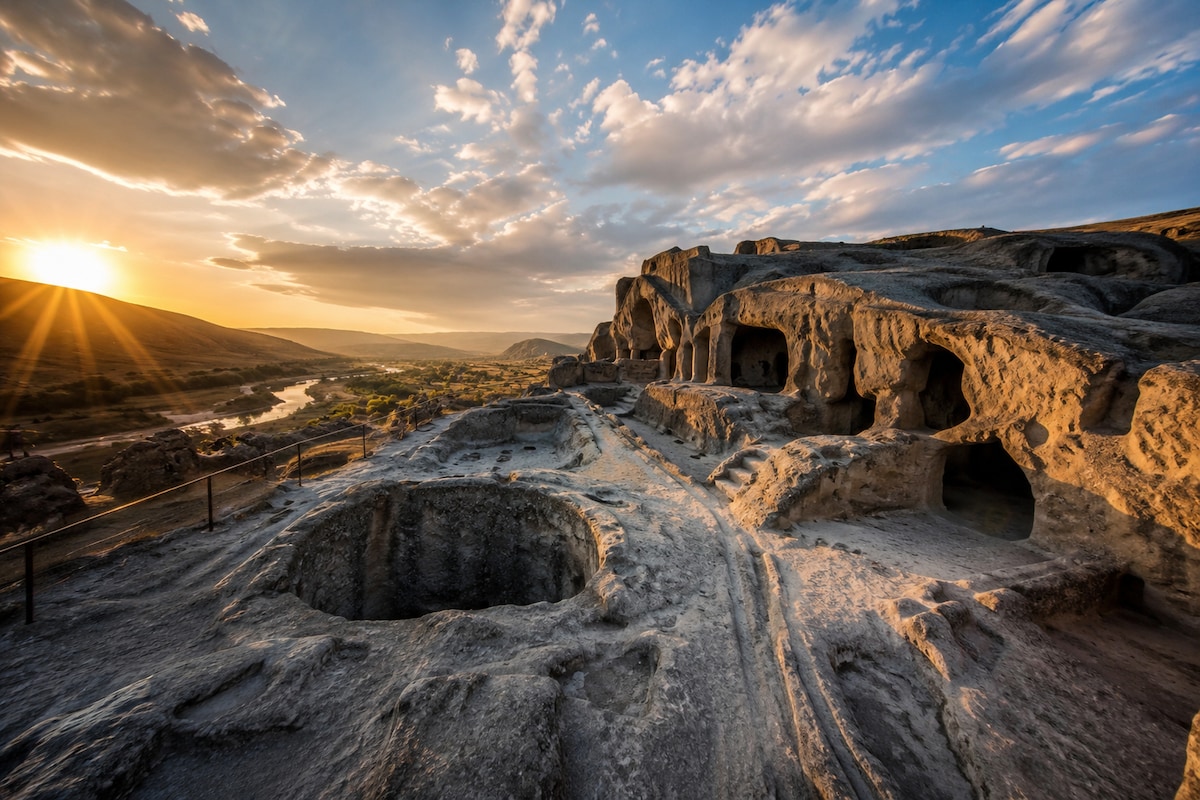
Mtskheta, Jvari, Gori & Uplistsikhe Day Trip
100% Everyday Departure ! 18 seater bus Visit Jvari Monastery , Gori Stalin museum, Uplistsikhe caves and Mtskheta Town • Entrance Tickets are not included in the price Start 9:00 am - End 19:00 pm
 4.97 out of 5 average rating, 815 reviews
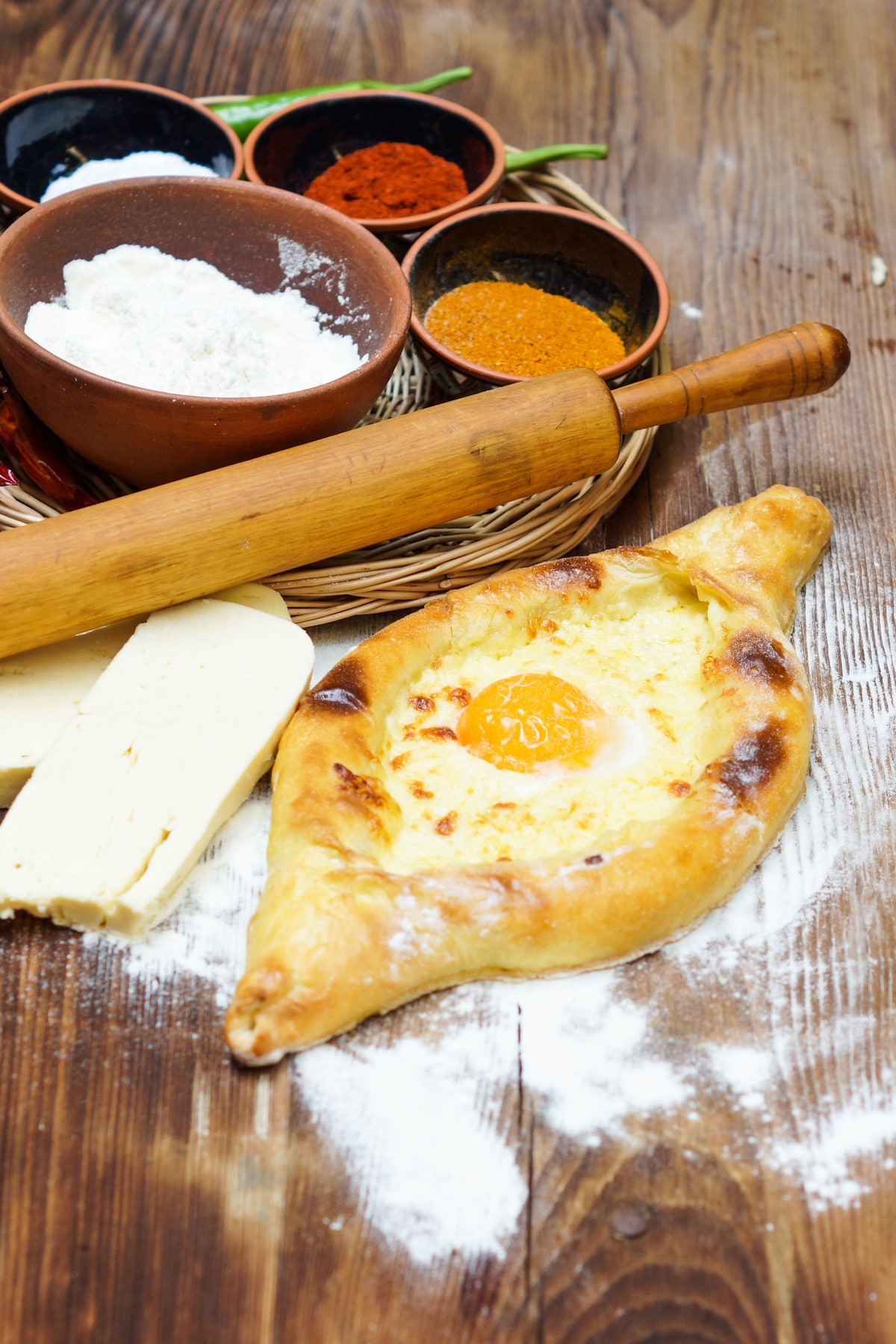
Learn Georgian granny's recipes
Cook traditional Georgian dishes with a local chef and storyteller.
 4.97 out of 5 average rating, 229 reviews
Dive into Soviet Tbilisi, architecture and people
Explore Soviet-era Tbilisi and its bold brutalist buildings beyond the tourist trail
 4.93 out of 5 average rating, 753 reviews
Tbilisi Old Town: History, Views, Hidden Gems Walk
Dive into Tbilisi’s stories with top-rated local guides. See Narikala Fortress, Mother Georgia, and Clock Tower. Enjoy a cable car ride and hidden gems. 650+ reviews!
 4.91 out of 5 average rating, 178 reviews
4x4 Off-Road: Kazbegi & Truso Valley Max 6 people
Explore Kazbegi & Truso Valley in an intimate 4x4 vehicle capped at 6 travelers. Reach off-road spots that big buses can't access: fortress views, mineral springs, and a mountain lunch. No shopping.
 4.97 out of 5 average rating, 416 reviews
Taste, Walk & Discover: Old Tbilisi & Wine
Explore Old Tbilisi’s highlights, hidden streets & stories, enjoy a cable car ride and finish with authentic Georgian wine tasting.
 4.71 out of 5 average rating, 21 reviews
From tbilisi:Signaghi, Telavi with 7 wine taisting
Sip homemade wines at family cellars, try churchkhela and sweets, watch dough slapped into a clay oven and walk Bodbe Monastery and the City of Love with a local travel guide.
 4.92 out of 5 average rating, 13 reviews
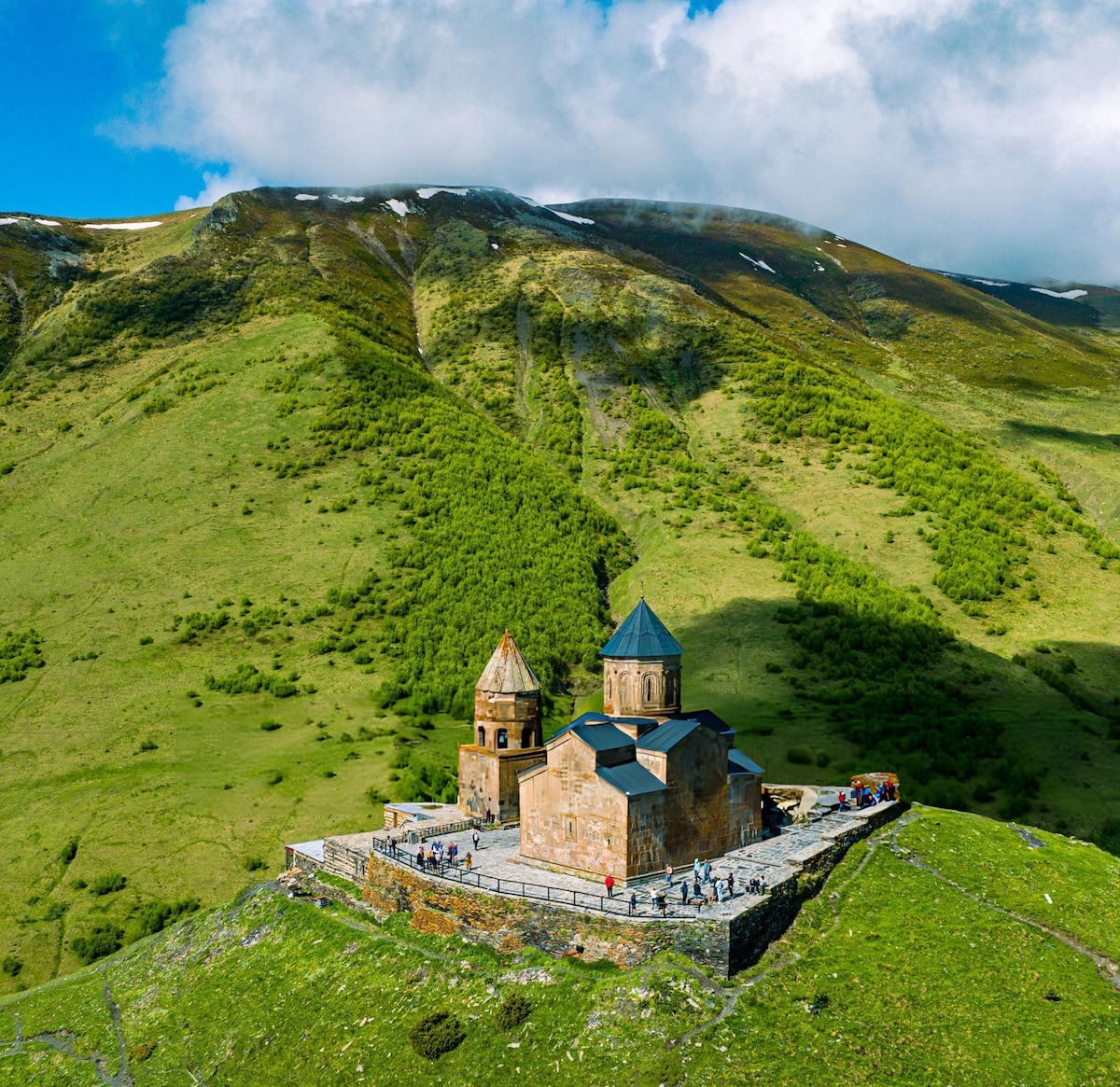
From Tbilisi to Kazbegi Gudauri Ananuri With Guide
Walk Ananuri Fortress, pause at the Gudauri monument, reach Gergeti Church by jeep and hear dam and mountain stories from a local operator.
Latest Activities
Explore new local experiences, activities for everyone.
 New place to stay
Balcony cooking wine and Tbilisi view
Fold traditional khinkali and shape cheese-filled khachapuri, then sit down with a culinary storyteller for chacha and premium local wine tasting.
 New place to stay
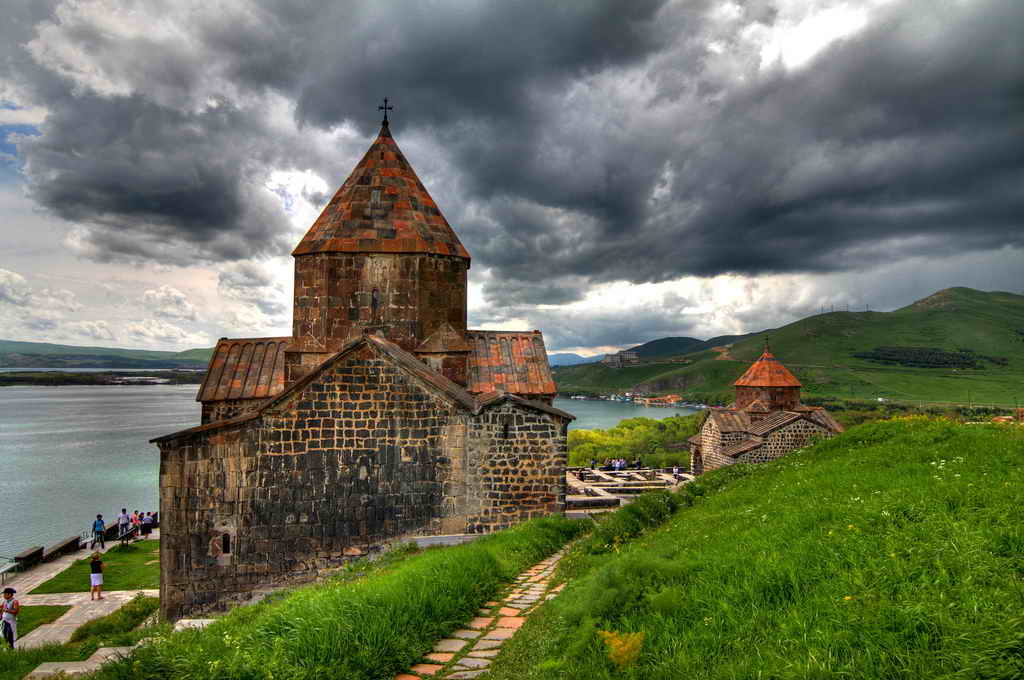
From Tbilisi to Armenia, Sevan Lake and Yerevan
100% Everyday Departure ! Transport & Guide Visit Sevan Lake , Dilijan, Sevanavank Monastery, Yerevan & Cascade . Food is not included in the price Start 7:00 am - End 23:00 pm
 New place to stay
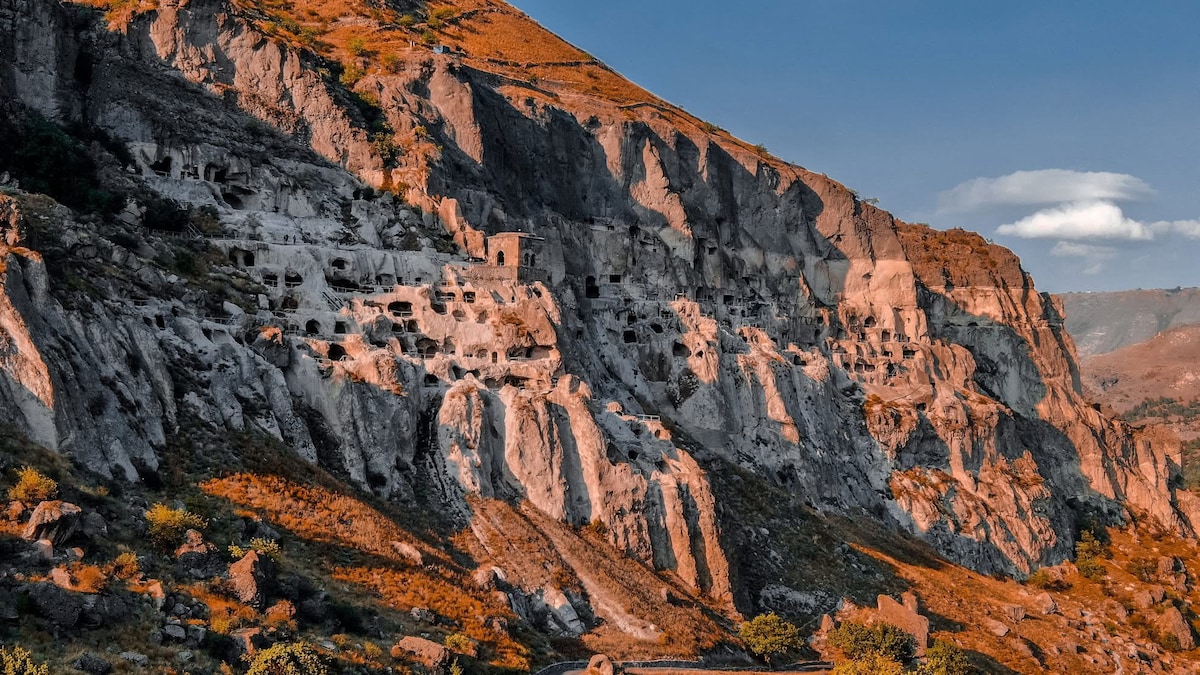
Borjomi, Rabati Castle & Vardzia Caves Day Trip
100% Everyday Departure ! 18 seater bus Visit Borjomi Park , Rabati Castle , Vardzia Caves. Entrance Tickets are not included in the price Start 7:00 am - End 21:00 pm
 New place to stay
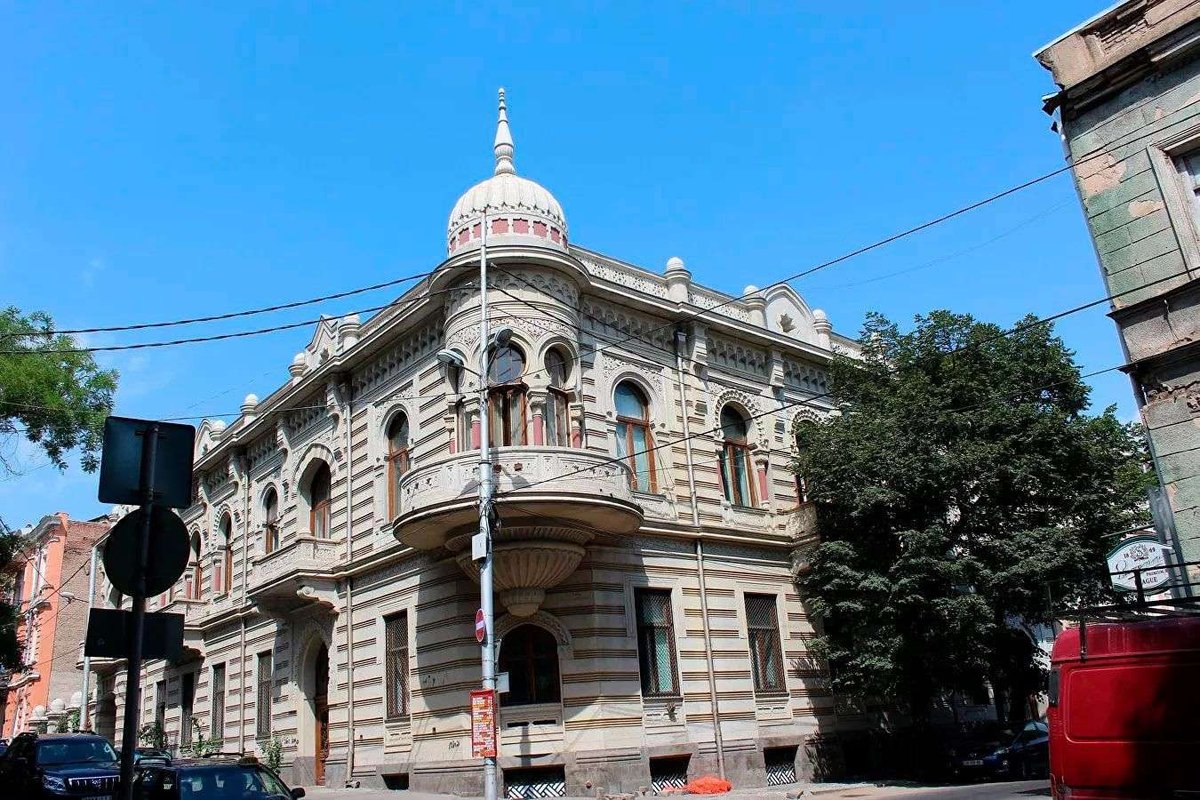
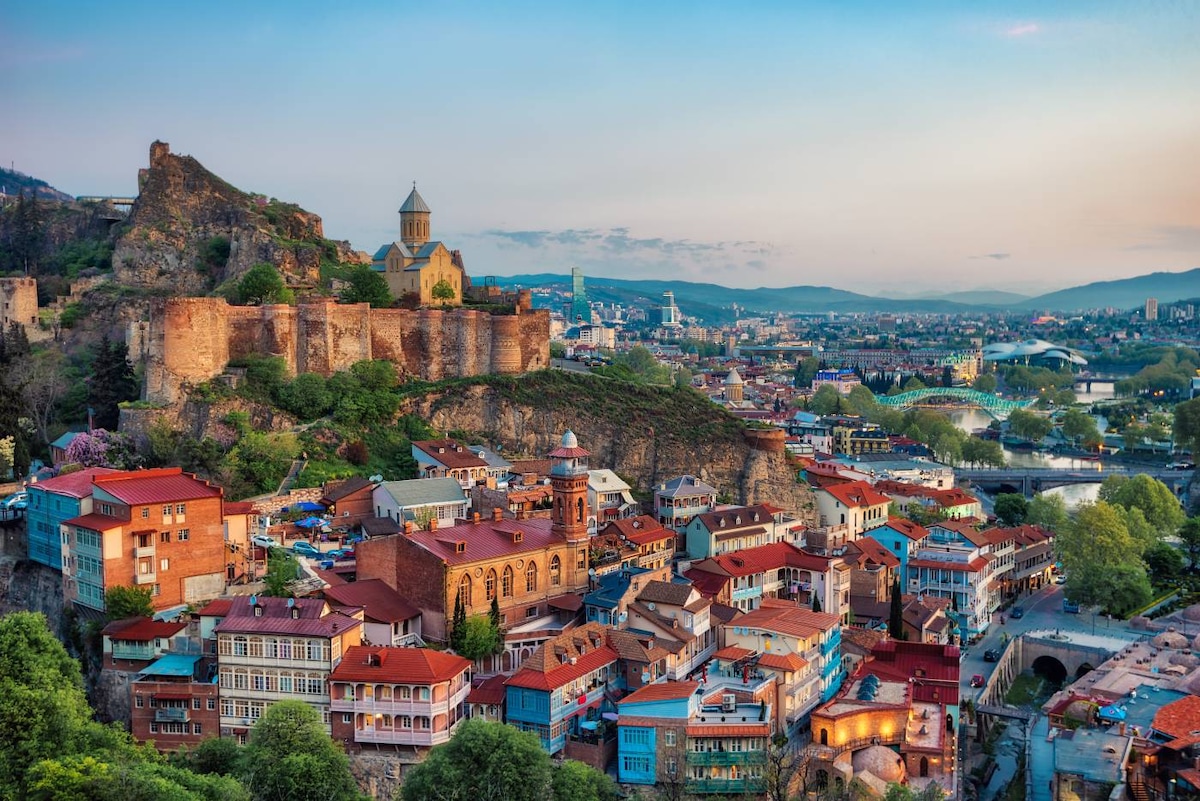
Forgotten Stories of Tbilisi
Discover hidden stories of Old Tbilisi, explore historic houses, admire unique architecture, and capture beautiful photos while learning about the city’s forgotten past.
 New place to stay
Georgian Wine & Culture
Sample traditional and natural Georgian wines at Château Mukhrani and Iago’s Winery with a wine specialist who has 15 years in local winemaking.
 5 out of 5 average rating, 1 reviews
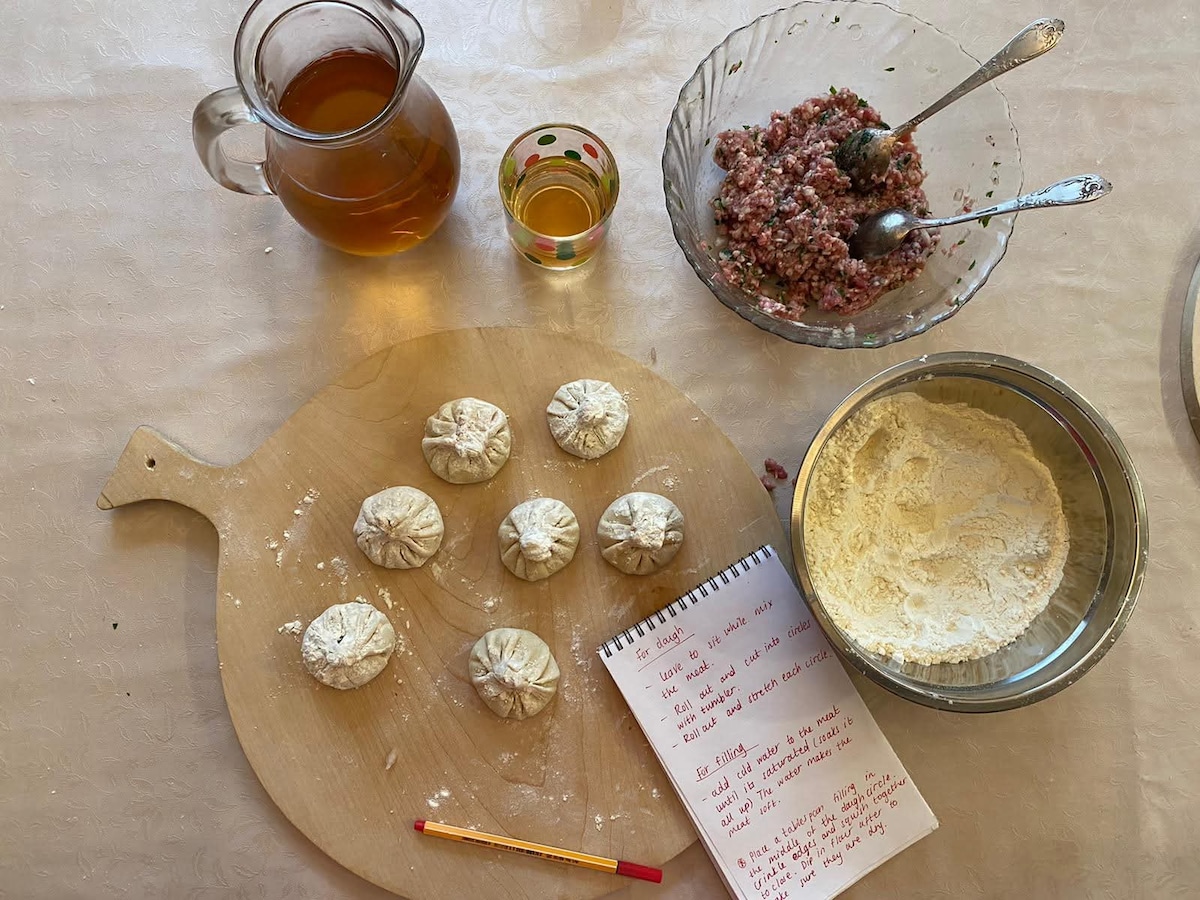
Cook Khinkali & Khachapuri at Irina's Cozy Home
Hello, I’m Irina! Join me at my cozy Old Tbilisi home to cook authentic Khinkali & Adjarian Khachapuri from scratch. We’ll enjoy homemade Kakhetian wine, stories, toasts & warm family atmosphere!
 New place to stay
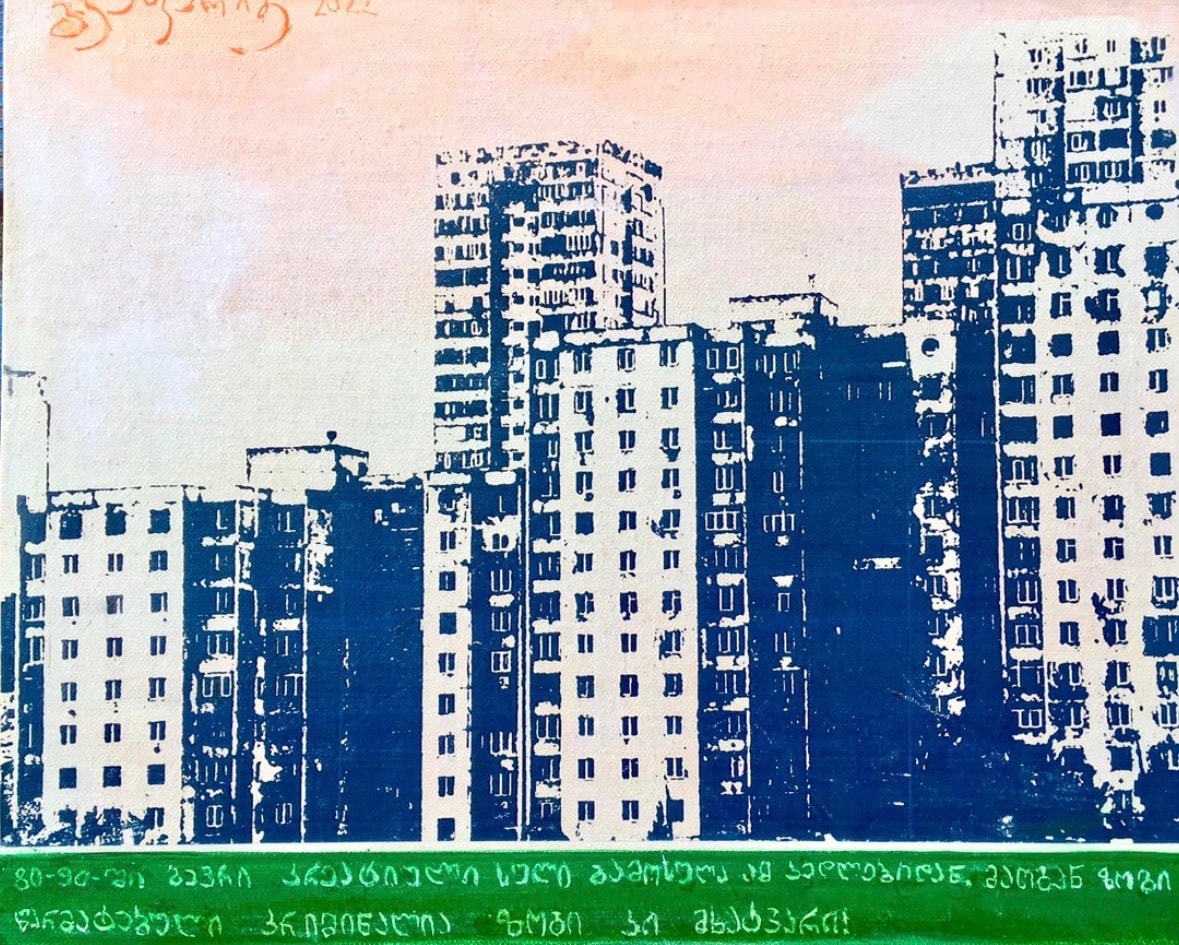
Draw Tbilisi’s Soviet Architecture
Explore Tbilisi’s Soviet architecture through drawing. Discover unique buildings, hear their stories, and sketch alongside artist Goga Japaridze. No experience needed—just curiosity!
 New place to stay
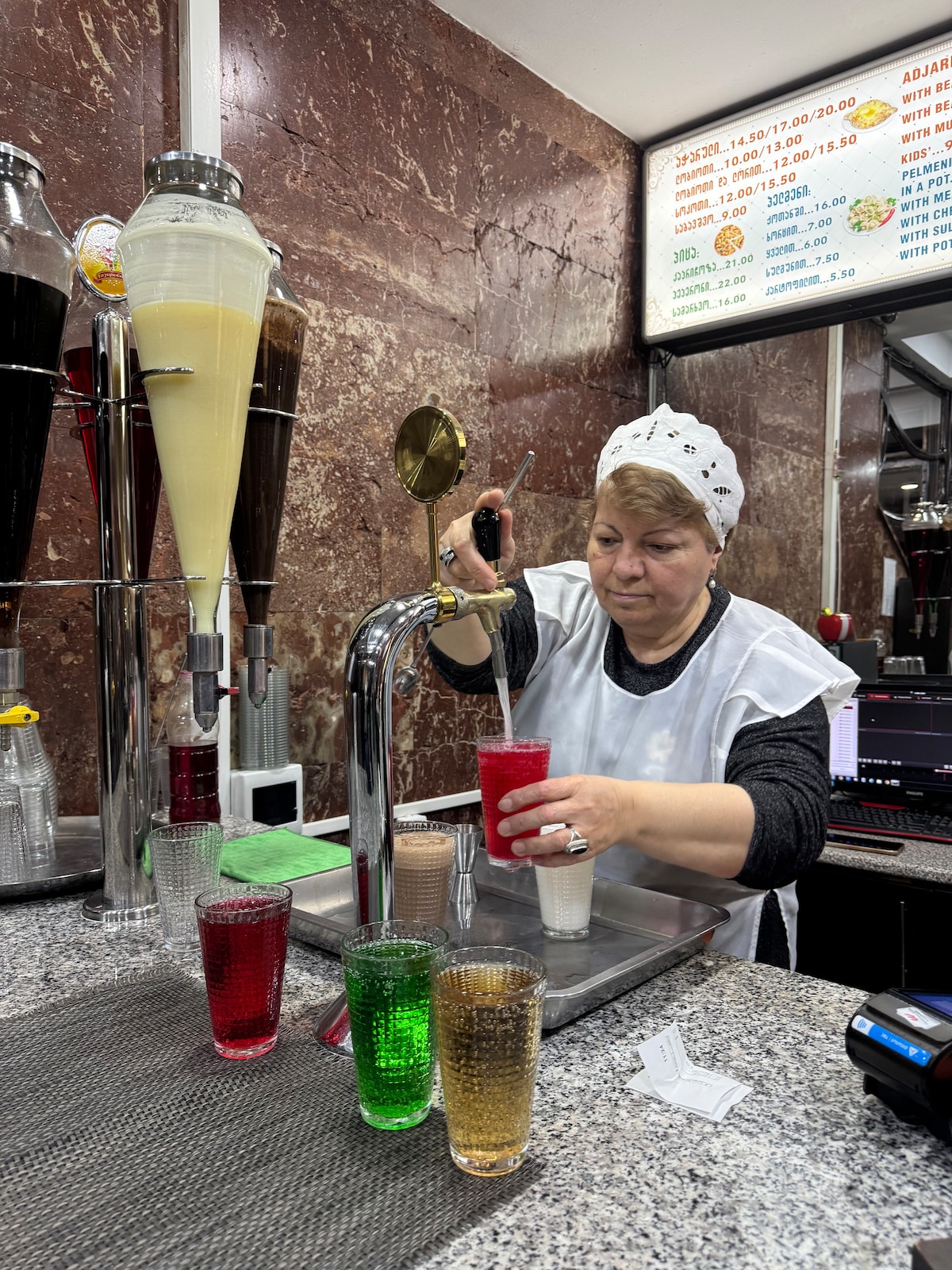
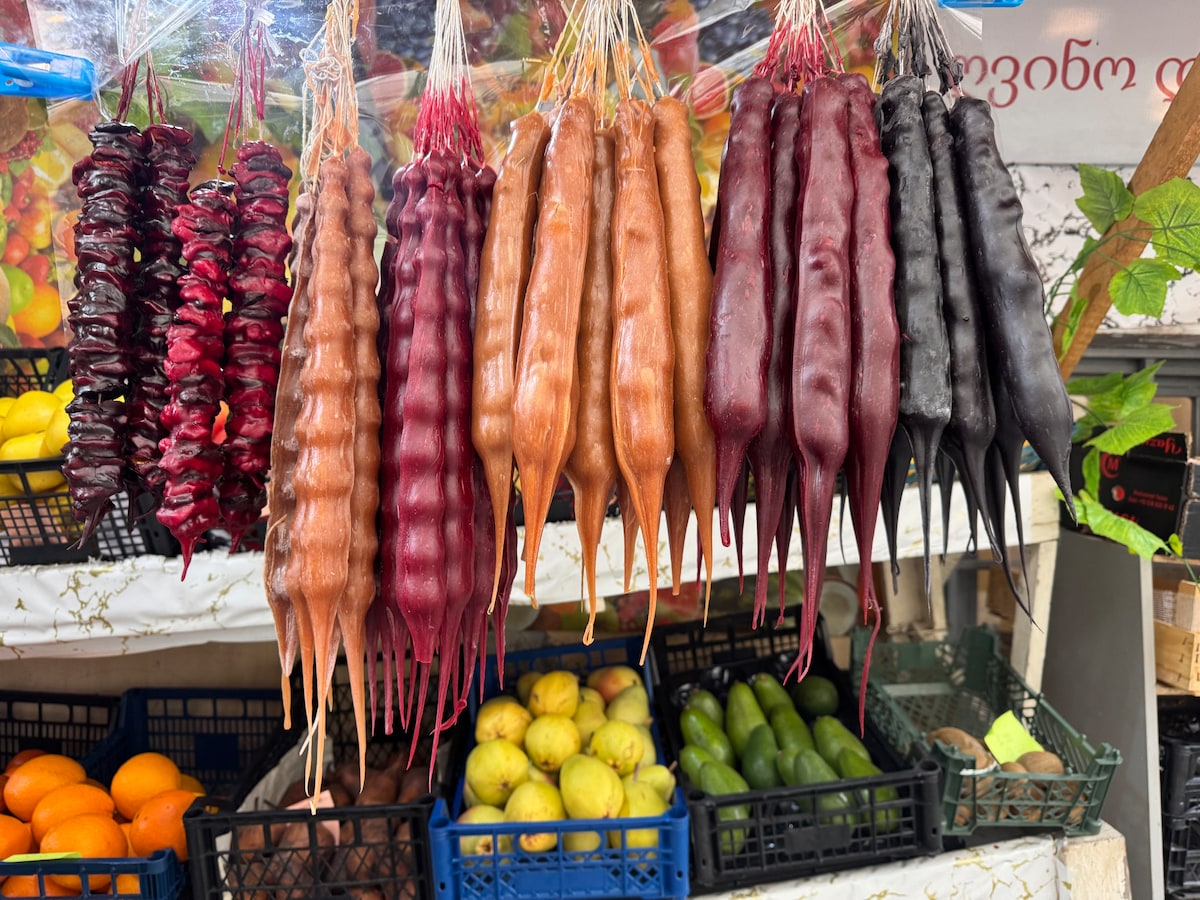
Tbilisi Tastes Food Tour with 12-plus tastings
Embark on an evening food crawl, as an honorary guest of our moveable feast. With 12+ tastings, you’ll leave with a full understanding of why Tbilisi remains one of the world's great food cities.
 New place to stay
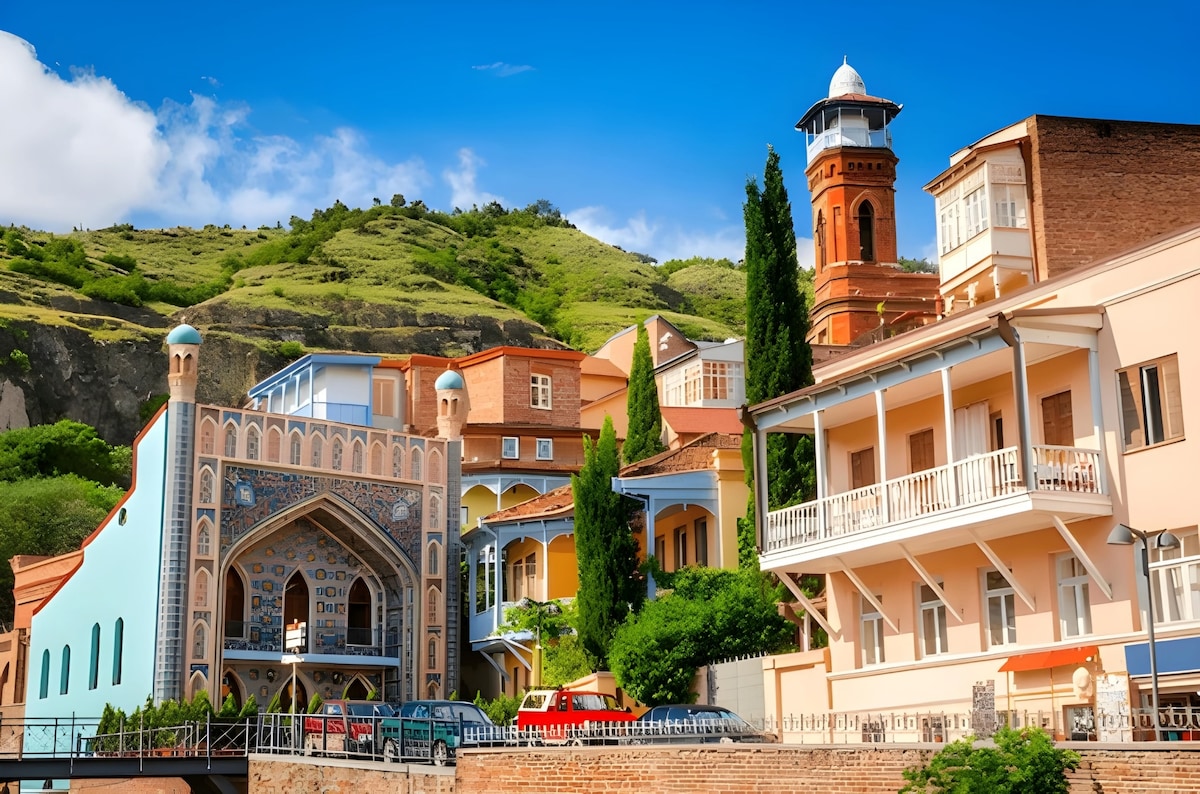
Khinkali Kitchens Food Tour with 12-plus tastings
Join our lunchtime food tour & prepare your taste buds to be tickled across 12+ tastings, from hidden kitchens to fresh produce markets that have been feeding the local Tbilisi crowd for generations
 New place to stay
Walk Old Town with a local historian
Trace Rustaveli Avenue, Freedom Square and Meidan Square with a historian, ride the cable car to Narikala Fortress and step into the sulfur bath district and waterfall canyon.
Top Tbilisi Attractions & Sights
Stay near the best of Tbilisi landmarks and hidden gems. Surrounded by highly rated Guest Favorites

Rusudan
From Rusudan's guidebook
The Opera House has great concerts, but also architecture worth seeing, built in the mid-19th century in late neoclassicist and orientalist style by the Italian architect Antonio Scuredi and Schreter

Nanuka
From Nanuka's guidebook
The Georgian National Opera and Ballet Theater of Tbilisi , formerly known as the Tiflis Imperial Theater, is an opera house situated on Rustaveli Avenue in Tbilisi, Georgia. Founded in 1851, Tbilisi Opera is the main opera house of Georgia and one of the oldest such establishments in eastern Europe. The most recent restoration effort concluded in January 2016, having taken six years and costing approximately 40 million U.S. dollars, donated by a Georgian business foundation. The opera house is one of the centers of cultural life in Tbilisi and was once home to Zacharia Paliashvili, the Georgian national composer whose name the institution has carried since 1937. The Opera and Ballet Theater also houses the State Ballet of Georgia under the leadership of internationally renowned Georgian ballerina Nina Ananiashvili. In recent years it has hosted opera stars such as Montserrat Caballé and José Carreras, while also serving as a traditional venue for national celebrations and presidential inaugurations.

Nodar
From Nodar's guidebook
The famous French writer Alexandre Dumas, who visited Tbilisi in 1858, dedicated a whole chapter to the Opera theatre in his book: “I must confess that as soon as I entered the lobby I was astonished by the simple and refined style of the ornament. I had a feeling as I entered the lobby of the Pompey Theatre. In the upper foyer the ornament was changed by Arabic carving. We entered the hall, which seemed to be the palace of fairies, not because of its rich decorations, but because of the fact that it was made with the most delicate taste. It is possible that much money was not spent on it, but I can say without hesitation that I, in my entire life, have never seen such a delightful hall..."

Mariami
From Mariami's guidebook
Narikala Fortress is one of the oldest landmarks in Tbilisi, located on a hill above Old Town. The fortress dates back many centuries and has been rebuilt and expanded over time, serving as a defensive point overlooking the city and the river. Today, it is mostly a historical site and viewpoint. The main reason people visit is for the panoramic view - from the top you can see Old Tbilisi, the river, and the surrounding hills. You can reach it either by a short uphill walk or by cable car from Rike Park. It is especially popular around sunset when the view becomes more dramatic and the city lights start turning on. The site itself is open-air, so comfortable shoes are recommended.

Anna
From Anna's guidebook
Dominating the Old Town skyline, Narikala dates right back to the 4th century, when it was a Persian citadel. The choice way to reach it is by cable car from Rike Park. Or you can walk up from Meidan. The views over Tbilisi from the top of the fortress are superb.

Nodar
From Nodar's guidebook
Board one of the sleek, modern cable cars straight up to the 4th-century Narikala Fortress, which looms over the city and is guarded by Kartlis Deda, a 66-foot-tall aluminum woman with a cup of wine for friends in one hand and a sword for her enemies in the other. She is also known as Mother Georgia.

Tamara
From Tamara's guidebook
if you are looking for a nice nature in the city center, you definitely have to visit botanical garden (don't forget to see the waterfall inside) and take the gondola to see the statue of Mother of Georgia (Kartlis deda) and a fabulous view from there.

Sophie
From Sophie's guidebook
Garden occupies the area of 161 hectares and possesses a collection of over 4,500 taxonomic groups. Its history spans more than three centuries. It was first described, in 1671, by the French traveler Jean Chardin as royal gardens which might have been founded at least in 1625 and were variably referred to as "fortress gardens" or "Seidabad gardens" later in history. The gardens appear in the records by Joseph Pitton de Tournefort (1701) and on the Tbilisi map composed by Prince Vakhushti (1735). Pillaged in the Persian invasion of 1795, the garden was revived in the early 19th century and officially established as the Tiflis Botanical Garden in 1845.

Ketevan
From Ketevan's guidebook
There have been gardens on this site for centuries. Formally the Royal Gardens, it became the Botanical Gardens in 1845. Located in a gorge below Narikala Fortress with a river tumbling through it that divides its 128 hectares and its displays of 4500 species of flora from Georgia and around the World. The entrance located at the end of Botanikuri Street. Admission price is 2 lari.

Ana
From Ana's guidebook
there are several bathhouses but I suggest Chreli Abano. You can book a private room where you can bathe and steam solo (or with up to 10 of your closest friends!). Don’t forget to order an exfoliating scrub-down called a Kisa. Better to book in advance. Quite cheap compared to baths in other countries of the world.

Tamuna
From Tamuna's guidebook
The sulfur baths are intimately connected with Tbilisi. It is said that the hot springs are why the city was built here. High in sulfurs and other minerals, with a constant temperature of 38 C to 40 C, the waters have long been used as a therapeutic aid for a range of ailments including skin conditions and arthritis. Alexander Pushkin was just one of many famous people to have taken the waters, and he certainly enjoyed the experience: 'I have never encountered anything more luxurious than this Tbilisi bath', he wrote.

Tata
From Tata's guidebook
The ancient Abanotubani District sits below the imposing fortress; the brick, domed rooftops of the baths bubbling up like the water itself. The district is the most historic part of the city, as according to legend, it was the sulphur springs that enticed King Vakhtang Georgasali to settle the land and declare it the new capital city in the 5th century AD. At the height of popularity, there were more than 60 bathhouses in Tbilisi where people could get squeaky clean or stay for a soak, letting the curing Sulphur water ease their ailments. Fast-forward to today: there are five surviving bathhouses in the Abanotubani District where locals and travelers can experience a sulphur bath.

Tamara
From Tamara's guidebook
For flea market lovers, great place to find cool souvenirs to take away, loads of Post-Soviet medals, memorabilia, original paintings from local artists, handmade craft and Georgian souvenirs.

Lado
From Lado's guidebook
The Dry Bridge Market (so called because the bridge it’s staged on no longer runs over a river, but over landfill instead) is a huge open-air bazaar held in the area around Dedaena Park. Quirky vendors convene here daily to pedal boundless quantities of antiques, vintage paraphernalia and Soviet kitsch, including war medals, propaganda posters, KGB ID books, gas masks, USSR maps, and Soviet-issue film cameras. There are more vendors here on Saturdays and Sundays, so try to visit on the weekend to see the best range.

Svetla
From Svetla's guidebook
This is a huge outdoor market for those who like to look for hidden treasures. You can find art, jewelry, Soviet memorabilia, and all sorts of antiques. Bring cash and be prepared to bargain.
Nodar
From Nodar's guidebook
The Bridge of Peace is a pedestrian bridge and one of the most famous tourist spots in the city. It connects district of Tbilisi Old Town with Rike Park over a river of Mtkvari. This bridge is relatively young, it was opened for public just in 2010.

Mariam
From Mariam's guidebook
The Bridge of Peace was built in 2010 and connects the old town with Rike Park on the other side of the Kura River. This bow-shaped pedestrian bridge is a marvel of modern architecture, a blend of steel and glass that shines with countless lights during the night. The bridge also offers a majestic view over the Metekhi Church and the Narikala Fortress.

Giorgi
From Giorgi's guidebook
A modern symbol of Tbilisi, the glass-and-steel bridge connects the historic Old Town with a green, relaxing riverside park. It’s a perfect place for a walk, photos, and enjoying the contrast between old and new Tbilisi — especially beautiful at night when the bridge lights up.
Tamara
From Tamara's guidebook
Located about 5 minutes walking from the house Trinity Cathedral is a must visit for any Tbilisi visitors. Apart from the main cathedral, I love wondering around beautiful garden grounds. There is a sense of peace and harmony surrounding the place. Young children will enjoy seeing farm animals and ducks. There is a traditional Tbilisi style cafe selling a very traditional Tbilisi soft drinks, Lagidze waters, tarragon drink is everyone’s favourite. Also grab Georgian Khachapuri.

Marina Albertovna
From Marina Albertovna's guidebook
The Holy Trinity Tsminda Sameba Cathedral, also known as the symbol of new Georgia, was built in the year 2004. The cathedral's beauty and size are truly breathtaking, as it magnificently rises on the hill of St. Ilya, located on the left bank of the Kura River. The cathedral is part of an entire complex that includes the residence of the Patriarch, a monastery, a school of theology and academy, a hotel, and a complex consisting of nine chapels, five of which are located underground.
Mariam
From Mariam's guidebook
Although relatively new, the Cathedral of Tbilisi is absolutely spectacular. Colloquially known Sameba (Georgian for "Trinity") the construction is a traditional Georgian cross-dome construction with strong Byzantine undertones. This enormous cathedral towers over the city from its perch on the Ilya Hill and offers a spectacular view. Come here just before sunset for optimal lighting.

Natali
From Natali's guidebook
Simon Janashia Museum is one of the main museum in Georgia where you can find national treasures from Golden reserve, archaeological treasury, numismatic collection, weaponry, etc. In the same building, on 4th floor you can find Soviet Occupation Museum, regular exhibition with artifacts representing of 70 years of Soviet-era cultural and political repression in Georgia. Next building to Kashvety Church is National Gallery, with masterpieces of art from early 20th century. Pirosmani, Gudiashvili, Kakabadze, Nikoladze and many more. Permanent exhibitions are also very interesting
Mariami
From Mariami's guidebook
Georgian National Museum is one of the most important cultural museums in Tbilisi and a good stop if you are exploring Rustaveli Avenue. It brings together several collections under one system, but the main building on Rustaveli focuses on archaeology, history, and Georgian cultural heritage. One of the highlights is the gold treasury collection, which shows ancient jewelry and artifacts dating back thousands of years. The museum is not very large, so it can be visited in 1–2 hours. It is well organized, with clear explanations in English in most sections. It is especially interesting for visitors who want to understand Georgia’s long history in a short amount of time. It is located directly on Rustaveli Avenue, so it’s easy to combine with a walk along the boulevard, nearby cafés, or other central attractions.

Giorgi
From Giorgi's guidebook
A hidden treasure at the beginning of Rustaveli Avenue, a walking distance from freedom/liberty square, a very convenient location. The Georgian National Museum is the product of the unification of several museums and research centers that hosts various exhibitions, both temporary and permanent, from archaeological to modern art collections and cultural exhibits. The Museum is 4 floors, each floor is divided into two sections, each section specializes in a specific subject/theme with interesting artifacts, to name a few: archaeological, Georgian heritage, Soviet era, east Asia…etc.

Oleg
From Oleg's guidebook
MY FAVORITE! The Open Air Museum was founded in 1966. It occupies 52 hectares of land. Real houses and more than eight thousand artifacts brought from all over Georgia. Museum encompasses 14 ethnographic zones: Kartli, Samegrelo, Adjara, Abkhazia, Svaneti, Khevsureti, Kakheti, Meskheti, Javakheti, Guria, Imereti, Racha, Lechkhumi and Ossetia. Each exhibit presents a certain historic-ethnographic area of Georgia. Visitors can explore on their own, or enjoy guided tours around the museum. The museum provides a tranquil environment for visitors to experience Georgian folk exhibitions and festivals throughout the year.

Sopio
From Sopio's guidebook
The museum is situated on a middle hill of Trialety range between the Turtle lake and Vake Park in a recreational area. It is the only open-air museum in Tbilisi portraying everyday lifestyle of Georgians, mostly from the rural areas of Georgia. The museum features 70 unique houses and thrift buildings characteristic from 14 ethnographic zones of Georgia, along with 8000 household devices and samples of craft exposed in the museum area. The museum was founded in 1966 by the famous Georgian ethnographer Giorgi Chitaia. During the summer months, it hosts various festivals and traditional craft demonstrations in the open air.
Ketevan
From Ketevan's guidebook
The Open Air Museum is located in Tbilisi, Vake district, to the west of "Turtle Lake". There are 70 samples of various purpose traditional buildings in the museum. The museum is one of the most unique museums in Georgia: you can physically "visit" almost the regions of Georgia (Kartli, Kakheti, Samegrelo, Imereti, Racha, Ajara, Apkhazeti, Svaneti, Samtskhe-Javakheti, etc.) in several hours and learn about the architecture and traditions of different regions. Along with folk architecture, the museum features objects of traditional crafts (carpets, rugs, traditional clothes; metalwork, ceramic, wooden items, etc.).

Ekaterine
From Ekaterine's guidebook
Explore Niko Pirosmani’s Masterpieces at the National Gallery: Niko Pirosmani is arguably Georgia’s most famous painter, and visiting his exhibition on the second floor of the National Gallery is a must, even if you're not typically into art. Pirosmani’s primitivist art captures everyday people, providing a vivid window into Georgia's past. The permanent exhibition also features works by other seminal artists like Lado Gudashvili, David Kakabadze, and Iakob Nikoladze. Be sure to check the National Gallery’s schedule for their exciting temporary exhibitions.

Nino
From Nino's guidebook
Houses periodical exhibitions of works from Georgia and foreign collections. Heralded for its works by the famous Georgian primitivism painter Niko Pirosmani. Despite being the largest Pirosmani collection in the world, it is rarely all in Tbilisi as many pieces are often on world tours. It is also home to a series of exhibitions of Georgian work from the fourth century to the present day.OpenOpen 10:00 - 18:00.

Nina
From Nina's guidebook
The gallery holds 30,000+ works of Georgian painting, sculpture, graphics and applied art.  Permanent exhibition features celebrated Georgian artists such as Niko Pirosmani, Lado Gudiashvili, Davit Kakabadze, Iakob Nikoladze.  It’s a place to understand how Georgian art evolved through the 19th-20th centuries and how it dialogues with global art.
Sopio
From Sopio's guidebook
A visit to Chronicle of Georgia is the perfect way to experience Tbilisi from a different angle. Also known as the History Memorial of Georgia and Georgian Stonehenge, the monument depicts Georgian imperial history, famous literary works and the role of Christianity in the country. Standing atop Mount Keeni near the Tbilisi Sea in Temka neighborhood, Chronicle of Georgia is further valued for its astonishing views. Overlooking vivid Soviet architecture on one side and Tbilisi Sea on the other, the site offers a quick and peaceful escape from the city crowds and is particularly stunning at sunset.
Ekaterine
From Ekaterine's guidebook
Located near the Tbilisi Sea, the Chronicle of Georgia is a hidden gem worth the trip. Sculptor and architect Zurab Tsereteli began this massive 16-pillar structure in 1985, but political tensions and the fall of the Soviet Union halted its completion. Each of the 35-meter-tall pillars depicts significant events in Georgian history, starting with St. Nino converting King Mirian III to Christianity. Due to its impressive height and scale, it’s sometimes referred to as the ‘Georgian Stonehenge’. This awe-inspiring monument offers a unique glimpse into the country’s rich history.

Nikoloz
From Nikoloz's guidebook
The Chronicle of Georgia (or History Memorial of Georgia) is a monument located near the Tbilisi sea. It was created by Zurab Tsereteli in 1985 but was never fully finished. The monument sits at the top of a large set of stairs. There are 16 pillars that are between 30–35 meters tall and the top half features kings, queens and heroes while the bottom part depict stories from the life of Christ. There is a grapevine cross of St. Nino and a chapel.
Sopio
From Sopio's guidebook
Anchiskhati St. Mary's Church of the Assumption is a monument of Georgian medieval architecture 6th 18th cc, located on Shavteli Street, on the right bank of the river Mtkvari. Anchiskhati Church is a three-aisled basilica, built of hewn stone (the original layer), and the upper parts of the walls and all the inner poles are made of brick (restoration of the 17th century). The name Anchiskhati was given to the church in the late 17th century, when the icon of the savior was moved to Tbilisi from the Ancha Monastery, Klarjeti (now located in Turkey). The church was damaged and rebuilt several times from the 15th through the 17th century, due to wars with Persians and Turks. At the end of 19th century the dome was added to the church, which significantly changed it. During the Soviet regime, liturgical ceremonies in Anchiskhati church were halted, and it was turned into the museum of handcrafts, later-into an art studio. The liturgical ceremonies were restored in the church in 1989. Don't miss the opportunity to explore the Anchiskhati Basilica on your visit to Tbilisi. This architectural gem serves as a poignant reminder of Georgia's enduring faith and resilience, and offers a glimpse into the country's fascinating past. So, step back in time and discover the timeless beauty of this sacred sanctuary.

Annie
From Annie's guidebook
The Anchiskhati Basilica of St Mary is the oldest surviving church in Tbilisi, Georgia. It belongs to the Georgian Orthodox Church and dates from the sixth century. According to the old Georgian annals, the church was built by the King Dachi of Iberia . Anchiskhati Basilica is a three-span basilica, divided by two abutments forming horseshoe shaped conches, which indicates the antiquity of its construction. Originally constructed of blocks of yellow tuff stone, the 1958-1964 restoration made extensive use of brick. The structure has entrances on three sides, but today only the western entrance is in use. Aside from the altarpiece, which was painted in 1683 by order of Catholicos Nikoloz Amilakhvari, all of the remaining paintings in the church date from the 19th century.

Vakho
From Vakho's guidebook
According to the old Georgian annals, the church was built by the King Dachi of Iberia (circa 522-534) who had made Tbilisi his capital. Originally dedicated to the Virgin Mary, it was renamed Anchiskhati (i.e., icon of Ancha) in 1675 when the treasured icon of the Savior created by the twelfth-century goldsmith Beka Opizari at the Ancha monastery in Klarjeti (in what is now part of northeast Turkey) was moved to Tbilisi so preserve it from an Ottoman invasion. The icon was preserved at the Basilica of St Mary for centuries (it is now on display at the Art Museum of Georgia).
Anna
From Anna's guidebook
The art here is, apart from the odd temporary exhibition, all the work of one man – the museum's founder Zurab Tsereteli. This now Moscow-based Georgian is one of those lucky artists who becomes a financial success in his own lifetime, and the sculptures and paintings here are characteristic of his grandiose, larger-than-life work found in many countries.

Katy
From Katy's guidebook
Modern art museum primarily showcasing the work of Zurab Tsereteli, with other temporary exhibits.
Vakho
From Vakho's guidebook
A modern and spacious private museum dedicated to the famous Georgian sculptor and artist Zurab Tsereteli. Spread over three floors with the ground floor given to his sketches, the first floor for his big, colourful paintings and the top floor for an exhibition depicting his life. There are also several of his sculptures on display.

Brad
From Brad's guidebook
Once a soviet sewing factory, this building turned into a trendy space with a hostel, bars, restaurants, and concept stores. The variety of restaurants includes Georgian, Asian, burgers, and international cuisine. The outside is covered in graffiti, giving it an urban vibe and attracting a younger clientele and many digital nomads. Cozy up on a couch inside to sip a coffee and people watch. Or head to the courtyard where most of the action and the dining options are. There is indoor and outdoor seating at the restaurants depending on the season.

Sebastian
From Sebastian's guidebook
Tbilisi’s iconic cultural hub in a repurposed Soviet-era sewing factory. Covered in vibrant graffiti, it’s a mix of hostel, cafes, bars, artist studios, shops, and events space. Hipster vibe with a lively courtyard—great for socializing, street art spotting, or just hanging out.

Ana
From Ana's guidebook
Fabrika is the space for rebellious minds to create and share. Once a soviet sewing factory has been revived and transformed into a multifunctional urban space bringing together enthusiastic individuals ready to stretch their minds with new exhilarating experiences. The space now continues its life as the popular hotspot that unites urban style cafes and bars, artist studios and shops, educational institutions, coworking space, the biggest in the region hostel, mind blowing open space courtyard, ever changing one-off events and creates synergy between them. For like-minded individuals, both locals and travelers, Fabrika is an alternative hotspot for gathering in Tbilisi with a great vibe and prodigious space to create and share, co- work, learn, socialize or have a sleepover. With its striking “old-meets-new” attitude, Fabrika oozes genuinely cool soviet vibes blended with funky industrial elements. It has become the symbol of renovation, recreation and reinvention. Fabrika is the creative center of Tbilisi with the unique atmosphere you don’t want to miss!

Eka
From Eka's guidebook
. For music and nightlife lovers : ”Bassiani” one of the best nightclub in Region (maybe in Europe too) This place is true TECHNO temple ! Exactly as underground music should be served. Amazing venue, amazing sound system. Address Akaki Tsereteli ave. 2

Maria & Rezi
From Maria & Rezi's guidebook
Bassiani is a well-known nightclub in Tbilisi, Georgia, famous for its underground electronic music scene and strong cultural significance. It has been a hub for freedom of expression, activism, and the LGBTQ+ community in Georgia. The club is located beneath the Dinamo Arena and is known for its deep, immersive techno sets, attracting international DJs and music lovers.
Tamara
From Tamara's guidebook
Like Techno music? Bassiani - also called the Berghain of Tbilisi. Founded in 2014, it is located in the building of the city's largest sports venue, the Dinamo Arena, and has a disused swimming pool as the main dancefloor. Underground style club with amazing sound and super line up.
Brad
From Brad's guidebook
Barbarestan gives you an upscale twist on old, classic recipes. The interior is reminiscent of the early 20th century with vintage lampshades, soft lighting, and antique table settings. Take a peek downstairs to see the exposed brick walls and wine collection. The quality of ingredients combined with the well-paired flavors makes this restaurant a high-end foodie’s favorite. Georgia isn’t known for its service, but this restaurant is an exception. Expect staff that are on their game and knowledgeable about the menu.
Tamuna
From Tamuna's guidebook
Babare stands for Barbare Jorjadze - a legendary Georgian chef and the author of the first extensive book about Georgian cuisine from the 19th century. The restaurant has revisited this cook book and now allows both visitors and Georgians alike to rediscover forgotten treasures of the country’s heritage: the pumpkin patties and cherry soup with mint are our favourites.
Ketevan
From Ketevan's guidebook
Barbarestan is a family restaurant. Diners are welcomed by one of the members of a huge (10 children) family and most of them are involved in the restaurant business. The restaurant allows both visitors and Georgians alike to rediscover forgotten treasures of the country’s heritage: the pumpkin patties and cherry soup with mint are our favourites. One word of warning: the restaurant doesn’t serve any beer, but does offer a wonderful selection of kvevri wines, fitting given that the basement is an original 19th century wine cellar; wine is also available by the bottle to go. Live retro Georgian music on Saturday nights from 20:00 to 22:00. Essential: don’t leave Tbilisi without visiting.

Zarina
From Zarina's guidebook
Tekuna Gachechiladze, the New-York trained chef behind Culinarium Khasheria, has been labelled ‘the rebel of Georgian cuisine’ for her unorthodox treatment of classic recipes (think kharcho with shrimp instead of beef).
Ketevan
From Ketevan's guidebook
Renowned Georgian chef and culinary expert Tekuna Gachechiladze claims her restaurant specialises in healthy, “Georgian, anti - hangover cuisine.” Walking into this warmly lit and simply furnished establishment will make you feel instantly at ease, and the kitchen in plain site lends a degree of familiarity and friendly comfort to the atmosphere. Though the menu is not large and the price tag not small, choose from a number of exquisitely prepared dishes influenced by European and Georgian cuisine. The chef herself recommends khinkali soup as the perfect solution to an aching head. The restaurant opens at 8 on weekends and stays open until 2 in the morning.

Ketevan
From Ketevan's guidebook
Tekuna Gachechiladze, the New-York trained chef behind Culinarium Khasheria, has been labelled ‘the rebel of Georgian cuisine’ for her unorthodox treatment of classic recipes (think Kharcho with shrimp instead of beef). Every one of her dishes is inventive and original. If you’re a foodie, you can’t miss her flagship restaurant, Culinarium, one of Tbilisi’s premier contemporary dining experiences. The name is a clue to the specialty dish here: Khashi, a heady broth used to cure hangovers, is the soup of choice. Culinarium’s version is spiced with Adjika and fresh ginger. Also worth trying, Culinarium’s Khinkali soup is a delicious Asian-style broth with shiitake mushrooms and miniature dumplings. This restaurant is the perfect place to eat after a visit to the adjacent sulphur baths. The vibe strikes a perfect balance between polished and laid-back.

Tamar
From Tamar's guidebook
If you want to savor the best Khinkali in Georgia, make a stop at Pasanauri, a mountain village famed for traditional Khinkali - dumplings filled with various types of minced meat, spices, and herbs. Also in Pasanauri there is one point where white and black aragvi are meeting. The Tetri Aragvi (“White Aragvi”) flows from Gudauri down to the town of Pasanauri, where it is joined by the Shavi Aragvi (“Black Aragvi”), before flowing south to merge with the Mtkvari River by Mtskheta, the Eastern Georgia's ancient capital city, just north of Tbilisi.
Anna
From Anna's guidebook
Restaurant Pasanauri is one of the best places to eat khinkali, Georgian meat dumplings. The restaurant has two locations in the city, On Maidan Square and Griboedovi street – both are open 24 hours. Come here for an authentic Georgian experience: the interior is filled with rustic wooden tables, separated by thick dividers for intimacy. Black and white pictures of old Tbilisi by Robert Capa adorn its walls, while a unique installation of a Georgian supra hangs on its ceiling.

Liana
From Liana's guidebook
Extensive Menu, Great $$ price-quality ratio for everyday eats! Dinein - Takeaway - Delivery. https://www.facebook.com/Restaurant.Pasanauri/

Salome
From Salome's guidebook
This small restaurant with an authentic style and cozy environment, located in a non-touristy residential area, pleases its guests with a modernized traditional cuisine. In warmer weather the leafy garden area is open. The convivial atmosphere under the trees adds further to the pleasure of eating at Shavi Lomi. The most famous dish here is Gobi, pictured here – a colorful assortment of famous Georgian dips and spreads served in a traditional dish from the past century. Shavi Lomi’s Gobi is beloved by locals and tourists alike. As an added bonus there’s usually a cat or kitten or two in the garden.

David
From David's guidebook
It is a small restaurant with an authentic style. Here, in a nice, cozy atmosphere, you can enjoy Georgian traditional dishes with some modern twist. I would recommend ordering “Gobi”, it is a huge plate of mixed Georgian “Pkhali” (walnut seasoned greens), pickles, Mchadi (cornbread), and cheeses. Shavi Lomi will cost you around 30 USD per person, but it’s definitely worth the price.
Anna
From Anna's guidebook
Shavi Lomi (Black Lion) is one of the most iconic in Tbilisi and it’s really worth visiting. It is especially charming in the summer when you can sit for hours in the garden. A visit to Shavi Lomi is one way to experience Tbilisi at its best. Shavi Lomi became the first place in Tbilisi to offer Georgian fusion cuisine, quickly gaining cult status among locals and foreigners alike. The name ‘Shavi Lomi’ is translated as ‘Black Lion’ and is named after a famous painting by the artist Pirosmani. One of Shavi Lomi’s signature dishes is a huge bowl with a set of appetizers and several mchadi (cornmeal flatbread) called Gobi.

Ana
From Ana's guidebook
Vake Park on the north side and Chavchavadze Avenue are connected by wide stairwells. The staircase is located on the main axis of the park, which continues the entire cascade of fountains. The central axis of the park ends on the ridge with a memorial to the glory of World War II. The central part of the park is separated by a fountain and a round pool. The special charm of Vake Park is added by the red sand, which covers the roads. The children's park, open-air cinema, cafe-bars and restaurant are located in Vake Park. In the south-west, the park ends with Mikheil Meskhi Stadium. Near Vake Park is a cable car that connects the park to Turtle Lake. There is also a hiking trail from the park to the lake.

Marina
From Marina's guidebook
If you like to take a walk, sit on the bench and read a book or plan to jog or play tennis, Vake Park is 10 minutes walk from the house.

Anastasia
From Anastasia's guidebook
A historic park in just 10 minutes walking distance from the apartments. You can make it a base for your hike to the Turtle Lake.
David
From David's guidebook
Lisi Lake is a popular place, where locals hang out during hot summer days. With just 10 minutes of driving, you will find yourself on Lisi lake on top of the hill. Where you can find many outdoor cafes, ice-cream spots or just green grass to hang out.
Tamara
From Tamara's guidebook
Lisi Lake area is designed as a recreational zone and is quite popular among locals. Nice place to hang out on a sunny warm day or for the running workouts or for bike rides (up to 3 km around the lake). A nice cafe "Lisi Lounge" with the lake view.

Tamuna
From Tamuna's guidebook
It is an interesting place to observe Georgians, when they enjoy free time. You can rent a bicycle there, go into a sulfur bath, jogg or just walk.

Sandro
From Sandro's guidebook
Turtle Lake, locally known as Kus Tba, is a peaceful retreat in Tbilisi nestled atop a hill. You can access it via a cable car (kabine) from Chavchavadze Street, offering picturesque views, paddle boating, and serene walking trails. Surrounded by lush greenery and fresh air, it's a favored spot for relaxation and leisure activities.

Maia
From Maia's guidebook
Turtle Lake (Kus Tba) – Just a short drive or healthy uphill walk from our appartment - a scenic escape perfect for leisurely walks, paddle boating, or enjoying a coffee with a view. A relaxing cable car ride from Vake Park adds a touch of adventure to your routine: • Ideal for morning runs, sunset walks, or weekend picnics. • Cafés and open-air seating around the lake offer coffee with a view. • Pedal boats and children’s play areas make it family-friendly. • Connected to the Vake Park cable car for a scenic route down.

Aleksandre
From Aleksandre's guidebook
A peaceful retreat in the hills above Tbilisi. Easily reachable by ropeway from Chavchavadze Street, it offers walking paths surrounded by greenery, paddle boating, and cafes with scenic views. Perfect for a relaxing day out.
Sopio
From Sopio's guidebook
The park displays various sculptures and objects of modern art, such as a giant piano, a huge chess board with one-meter-tall figures, a stage with an amphitheater, and more. However, Bridge of Peace is the main park attraction. The Bridge of Peace, designed by the Italian architect Michele de Lucci, connects Rike Park to Erekle II Street and is particularly beautiful at night when lit by 50,000 LEDs. During the warmer months, the Musical Fountain exhibits light shows next to the ten-meter metal oak tree by Davit Monavardisashvili. There are 25 doors on the tree trunk that represent different eras. Every year in October, Rike Park hosts the Tbilisoba Festival, celebrating the capital’s diversity, culture, and history. The festival offers several entertainment activities, culinary exhibitions, and agricultural fairs, promising a memorable experience for everyone involved. The park is kid-friendly and adapted to the needs of disabled people. The 500-meter-long cable car, constructed by Doppelmayr, takes you to Narikala Fortress and Kartlis Deda (Mother of Georgia) sculpture in a few minutes.

Guram
From Guram's guidebook
Rike Park, centrally located on the riverbank of the Kura River, is one of the most recently developed Parks in Tbilisi. It was announced by the city hall in 2009 with the aim to increase the amount of accessible green space in the densely developed city center and stretches over an area of 7.5 ha (Ref. 1). Being the only location in the city where such a project could have been developed, it also serves as a pedestrian-friendly way to cross from the newer part of the city towards the old town via the adjacent "Peace Bridge" (Ref. 1,3). Next to its various amenities for recreation, the park has become a symbol of national identity through its design (Ref. 2). From above, one can identify the grid abstraction of the map of Georgia while in the center of the park lies a large Rose shaped mosaic, making a symbolic reference to the Rose Revolution (Ref. 3,5). Furthermore, Rike Park hosts several cultural festivities and artistic performances that invite the public to interact and socialize (Ref. 4). Despite the park's success, its development has been criticised due to the city hall's exclusion of public consultations and transparency
Mariam
From Mariam's guidebook
Among both locals and tourists Rike Park has become one of the most important meeting points and recreational areas of Tbilisi, a place to relax and stroll around in tranquillity. Rike Park also hosts the main terminal of the cable car that leads to the Narikala Fortress and the two modern tube-shaped buildings that are the new Concert Hall and Exhibition Centre.

Nino
From Nino's guidebook
The national pantheon sits on the slopes of Mt Mtatsminda, on the route of a walking path down from Mtatsminda Park, and is the site of burial for many famous Georgian artists, writers and politicians. The funicular also stops here between the city and the park.

Bondo
From Bondo's guidebook
The Mtatsminda Pantheon of Writers and Public Figures is a necropolis in Tbilisi, Georgia, where some of the most prominent writers, artists, scholars, and national heroes of Georgia are buried.
Ekaterine
From Ekaterine's guidebook
Discover this breathtaking, powerful spot where the Pantheon lies beneath a cliff, providing cool, fresh air on hot sunny days. From the top viewpoint, enjoy sweeping views of old Tbilisi's rooftops and the expansive stone landscape. The beautiful monuments lend a mysterious vibe to the area.

Tako
From Tako's guidebook
15 min by walk. One of Tbilisi’s most recognisable neighbourhoods, Abanotubani is characterised by the brick domes that pop out of the earth like molehills. This design allows natural light to stream into the bath rooms and provides ventilation for the sulfuric steam to escape. The waters are naturally warm, averaging temperatures of 38-40 Celsius.

Vakho
From Vakho's guidebook
Abanotubani (literally "bath district") is the ancient district of Tbilisi, Georgia, known for its sulphuric baths. Abanotubani is an important historic part of the city: it is where according to a legend the King Vakhtang Gorgasali’s falcon fell, leading to a discovery of the hot springs and, subsequently, to founding of a new capital.

Will
From Will's guidebook
With striking views of the 4th-century Narikala fortress, the Tabor Monastery of Transformation, and the hulking Sameba Cathedral, You will find yourself in the place where Tbilisi was founded based on the legend of King Vaktang Gorgasali who discovered the warm waters of Tbilisi’s sulfur baths while bird hunting.

Ekaterine
From Ekaterine's guidebook
Galeria Tbilisi is the city’s most central and modern shopping mall, located right on Rustaveli Avenue next to Freedom Square. What it is A multi-level shopping and entertainment center that combines retail, dining, and leisure in one high-traffic location. What you’ll find 🛍️ International and local brands (fashion, cosmetics, electronics) 🍔 Food court & cafes with a wide range of options 🎬 Cinema (Cavea) for movies and premieres 🧸 Kids’ entertainment zones and family-friendly spaces Atmosphere Clean, modern, and busy Mix of locals, tourists, and office workers Functions as a meeting point in the city center In one sentence A central, all-in-one mall where shopping, food, and entertainment come together in the heart of Tbilisi. If you want, I can compare Galeria Tbilisi vs East Point vs Tbilisi Mall from a business/foot traffic perspective (useful if you're thinking retail or distribution).

Lasha
From Lasha's guidebook
Tourist can enjoy shopping without tax, 15 % will be refund in airport, for this you will need passport and fill forms while buying

Stanislav
From Stanislav's guidebook
Everything you need in one place and in 5 minutes walking from the hostel. Clothing stores, fast-food restaurants and cinema, household goods store and electronic shops, and big supermarket on the ground floor.

Raji
From Raji's guidebook
Tbilisi Mall is the first and largest such unique development in the Southern Caucasus to meet globally recognized standards. It is the most modern center to combine leisure, retail and entertainment in the Region.

Kristina
From Kristina's guidebook
Tbilisi Mall Located in the west end of the city, Tbilisi Mall is the largest shopping mall within the Caucasus dedicated to creating discovery of a new lifestyle for all its customers. With more than 140 worldwide brand stores, restaurants and hypermarket Tbilisi Mall offers great destination to visit with entertainment, Cinema and constantly updating fashion and food to follow. Tbilisi Mall - Discover A New Lifestyle!
Mariam
From Mariam's guidebook
The Tbilisi Mall is a big shopping centre that features fashion boutiques of the most known international brands, but also has an extensive array of leisure facilities for the whole family, such as a big cinema, video arcades and even a little indoor zoo.

Nato
From Nato's guidebook
Quirkily attractive little Café Gabriadze, under the same management as the neighbouring Gabriadze puppet theatre, offers friendly service and good Georgian food with original twists. Decor is on theatrical themes, full of intriguing details.
Sopio
From Sopio's guidebook
The theater was founded in 1981 by the Georgian director Rezo Gabriadze, and there is an inscription in gold on the building: “Extra Cepam Nihil Cogito Nos Lacrimare” (“Let our tears come only when cutting onions”). The life of the theater begins with a story of eternal love - the first marionette show, called “Afred and Violetta”, can still be seen to this day. It is an artistic reimagining of Alexandre Dumas’ “La Dame aux Camelias” by Gabriadze. One more show is presented across from the theater, where the famous clock tower stands. Once every hour a golden-winged angel comes out of the tower’s painted door and rings the bell with a small hammer. At 12:00 noon and 7:00 pm the tower’s 15-minute “Circle of Life” doll show starts. As RezoGabriadze considered the number 13 unlucky, he replaced the street sign with 12+1. It was one of the maestro's cute oddities.
Anna
From Anna's guidebook
This cafe is a marvelous case of multifaceted expression of one's talent. Rezo Gabriadze, famous Georgian screenwriter, painter, sculptor and puppeteer, made all the details of his cafe by himself, investing not just his time and talent, but also his soul in it and this is the thing you feel. The interior is so awesome that you can spend a lot of time not eating, but looking around. The food is very delicious. Every hour at the clock tower appears the angel counting the hours. His "working time" is from 10 till 18. Don't miss it!
Will
From Will's guidebook
Ride the funicular to the top of the city at sunset. Take in the view and watch the lights of the city come alive.
Ekaterine
From Ekaterine's guidebook
The Most Stunning Place in Tbilisi: Visit around 4 PM for breathtaking panoramic photos, and stay until after sunset to enjoy the spectacular views. The garden is lively with numerous food stalls, adding to the fun. Don't miss the must-try funicular ride for an unforgettable experience.

Vano
From Vano's guidebook
If you would like to have a fancy dinner with panoramic views of the city, then Funicular is a perfect place to spend an evening. Located inside Mtatsminda Park, the restaurant is accessible by a cable car or a taxi. The menu is diverse with specialties such as veal shin with tomato or seafood soup. The in-house sommelier can help you choose the right wine for your meal so that you can sit back and enjoy the scenery in front.
Vakho
From Vakho's guidebook
Cafe "Stamba" is where the industrial chic aesthetic shines brightest. A menu of modern comfort food makes an easy segue between Georgian and international cuisines with expertly crafted cocktails on offer at the adjacent Pink Bar, bounded by an outdoor terrace. (note: a portion of food is a little bit small)

Izabela
From Izabela's guidebook
Cafe Stamba - a fancy hotel’s restaurant and bar serves modern takes on traditional Georgian dishes using herbs and vegetable from the hotel’s micro farm.

Nata
From Nata's guidebook
A tangible celebration of Georgia’s culinary heritage, the cafe offers an avant-garde take on the country’s classic dishes and flavors alongside with modern international cuisine, making it a major player in the evolving foodie scene surfacing across the capital. Breakfast is also a global affair that is sure to become a firm fixture on Tbilisi society’s brunch circuit and, like the all-day menu, is crafted from fresh, seasonal ingredients produced in collaboration with the Georgian Farmers’ Association for assured, farm-to-table quality
Discover more activities near Tbilisi
- Food tours Tbilisi
- Dining Tbilisi
- Tastings Tbilisi
- Cooking Tbilisi
- Landmarks Tbilisi
- Cultural tours Tbilisi
- Outdoors Tbilisi
- Art workshops Tbilisi
- Art workshops Georgia
- Dining Georgia
- Tastings Georgia
- Landmarks Georgia
- Shopping and fashion Georgia
- Cooking Georgia
- Cultural tours Georgia
- Food tours Georgia
- Wildlife Georgia
- Outdoors Georgia