
AIRBNB EXPERIENCES
Things to do in New Orleans
Book unique activities hosted by local experts on Airbnb.
Top-rated activities
View our most highly rated experiences, loved by guests.
 4.89 out of 5 average rating, 1425 reviews
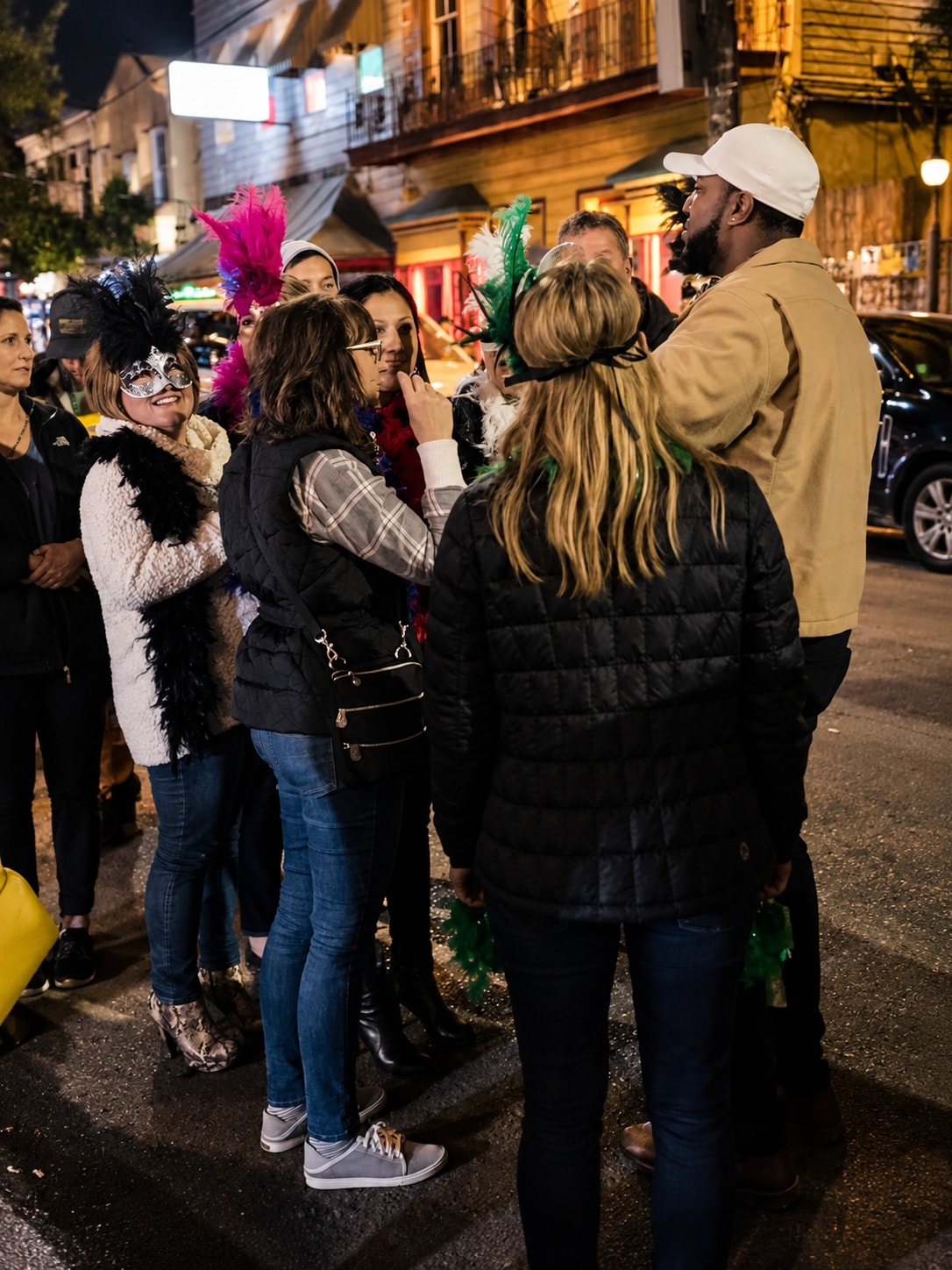
Ghost Tour and Haunted Pub Crawl Party
Join the ultimate Ghost Tour & Haunted Pub Crawl Party—chilling tales, real haunted bars, and free shots! Drink, scream, and laugh your way through New Orleans’ spooky, boozy nightlife adventure!
 4.85 out of 5 average rating, 705 reviews
French Quarter Witchcraft, Voodoo, & Ghost Tour
Discover the eerie history and magical practices of the French Quarter with a local guide!
 4.97 out of 5 average rating, 2510 reviews
Uncover New Orleans' ghostly history and cocktails
I've created an evening of documented ghosts, city history, its drinking legacy, and Voodoo.
 4.87 out of 5 average rating, 591 reviews
Second Line Sunday Music Experience
Stroll through Treme with a local guide, learning about Mardi Gras / Second Line Culture and more.
 4.93 out of 5 average rating, 2612 reviews
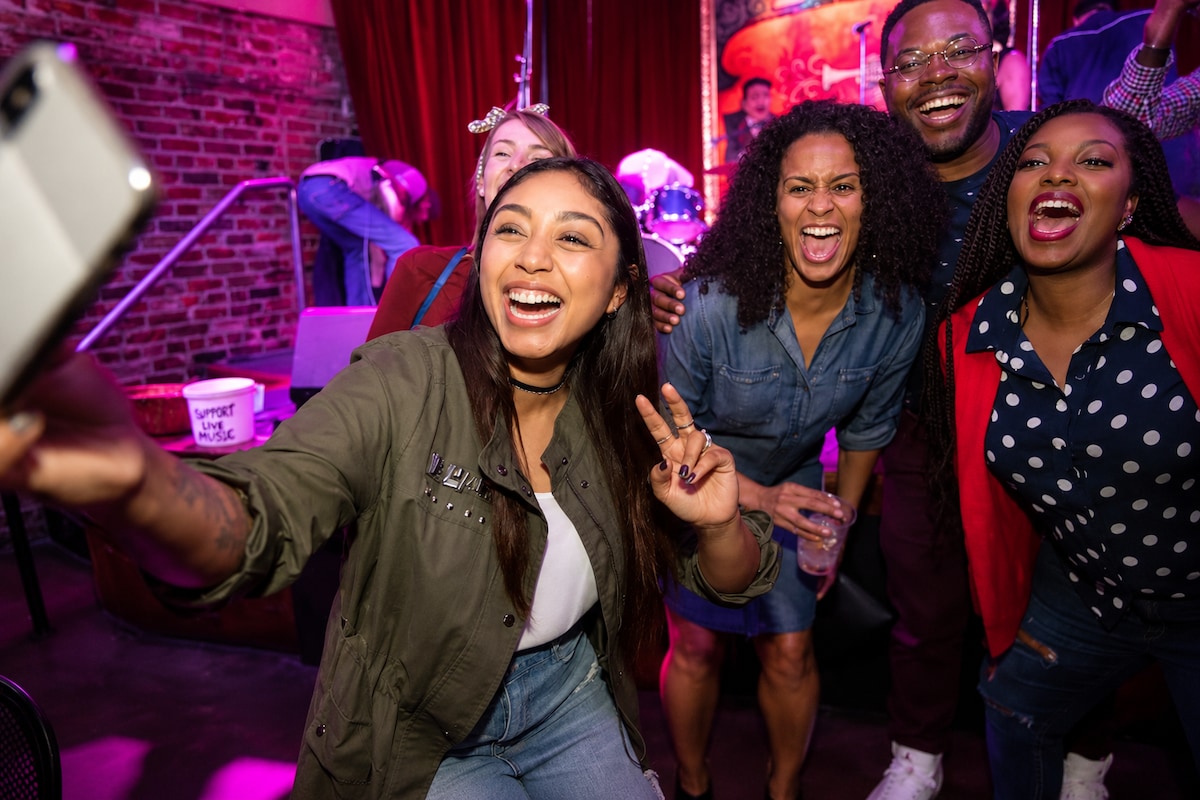
Frenchmen Street Live Music Pub Crawl
Party through Frenchmen Street with VIP Access to New Orleans’ Hottest Live Music Clubs. Sip Cocktails, Hear Incredible Jazz and Funk, Discover Jazz History, and Experience NOLA Nightlife like a Local
 4.94 out of 5 average rating, 2062 reviews
Explore Manchac Swamp by kayak
Learning about the local wildlife and history from a local guide.
 4.99 out of 5 average rating, 188 reviews
Citywide Driving Tour with a Jazz Musician
Roll through all of New Orleans with a Local Jazz Musician as your Guide! In just 4 hours, uncover hidden gems, jam-packed history, and the soulful rhythm that makes this city unlike anywhere else
 4.89 out of 5 average rating, 1799 reviews
New Orleans’ French Quarter Taste & Tales
Explore New Orleans through food and stories. Taste iconic dishes, hear rich history, and discover the soul of the French Quarter.
 4.83 out of 5 average rating, 93 reviews
Solve a Killer Murder Mystery
Step inside a hilarious and immersive murder mystery to solve an absurd crime.
 4.94 out of 5 average rating, 341 reviews
The Blackest Ghost Tour
Uncover the city's most haunting stories from an Afrocentric perspective.
Latest Activities
Explore new local experiences, activities for everyone.
 New place to stay
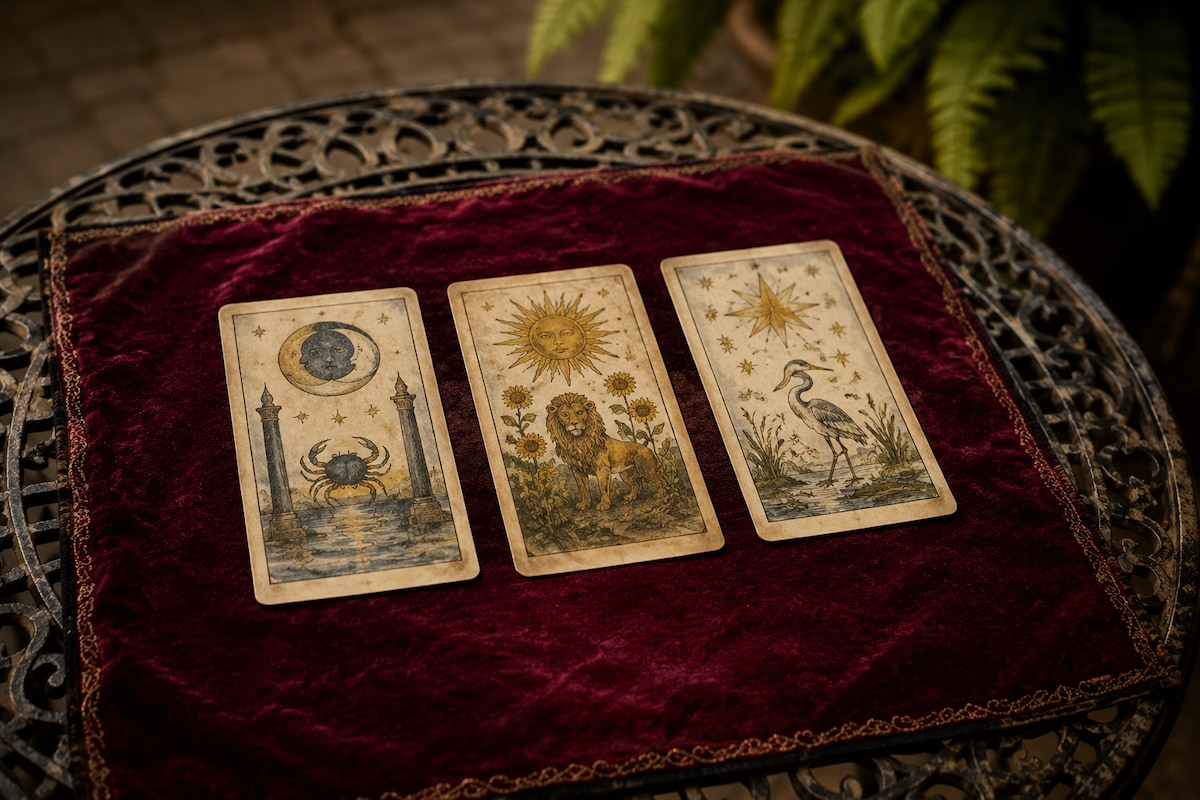
Taste New Orleans with Ghosts & Tarot
Three New Orleans experiences in one afternoon: enjoy three tastings at local restaurants, explore the French Quarter on a spooky ghost tour, then finish with your own private tarot reading.
 New place to stay
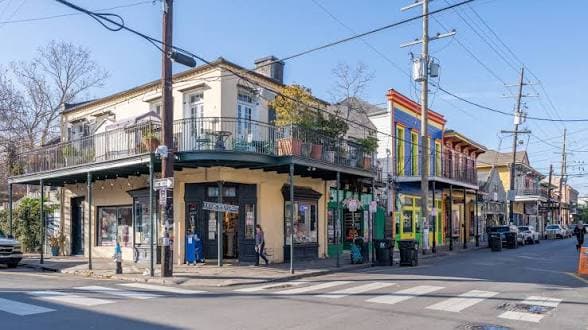
French Quarter Odyssey
Journey through the thoroughly researched true crime, witchcraft, voodoo, and dark history of the French Quarter. From absinthe to beignets, experience everything our Crescent City has to offer!
 New place to stay
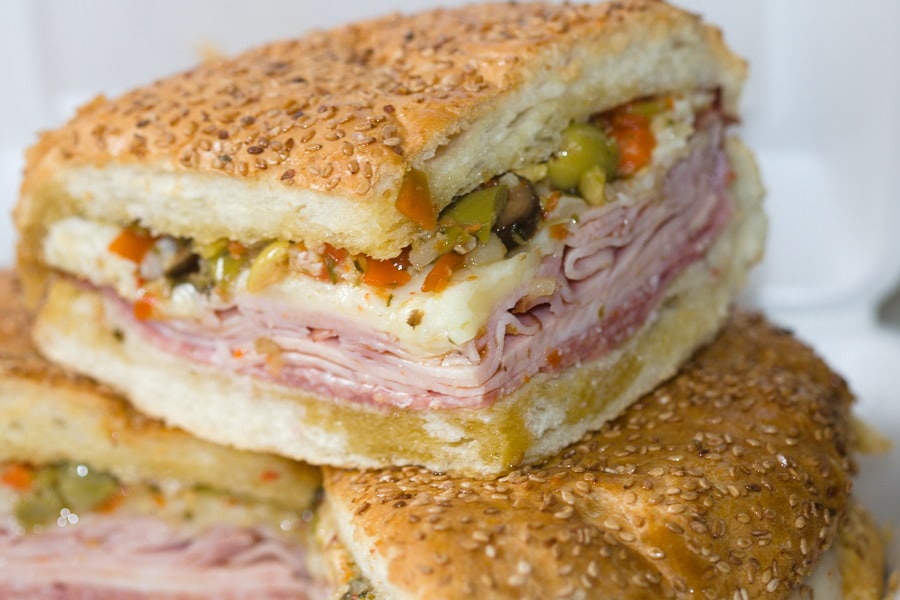
Private New Orleans Food & History Walking Tour
Explore the French Quarter with a culinary guide. Sample gumbo, red beans and rice, po-boy, muffuletta, praline or beignet while comparing flavors and tracing the people and traditions behind them.
 New place to stay
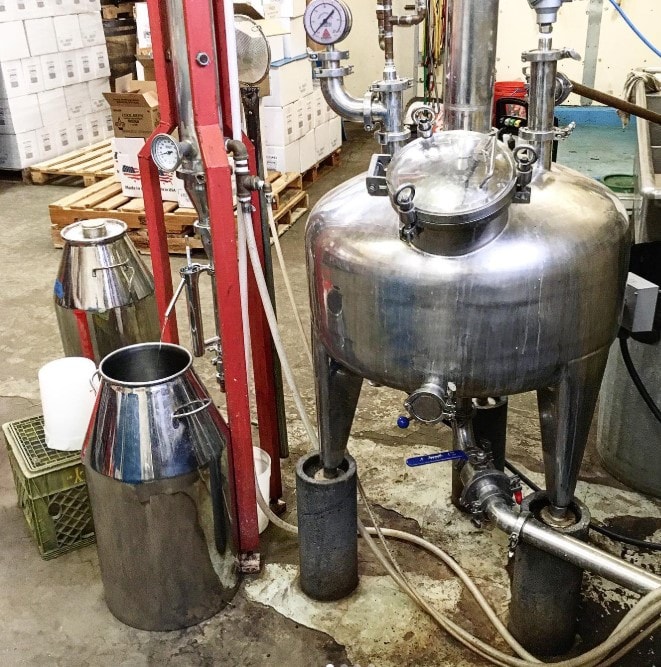
Uncover the Mysterious Green Fairy
Absinthe history meets a local distillery: demos, education and tastings led by the master distiller—brandy, rum, gin, rice whiskey and more. Rare and limited craft spirits available to buy direct.
 New place to stay
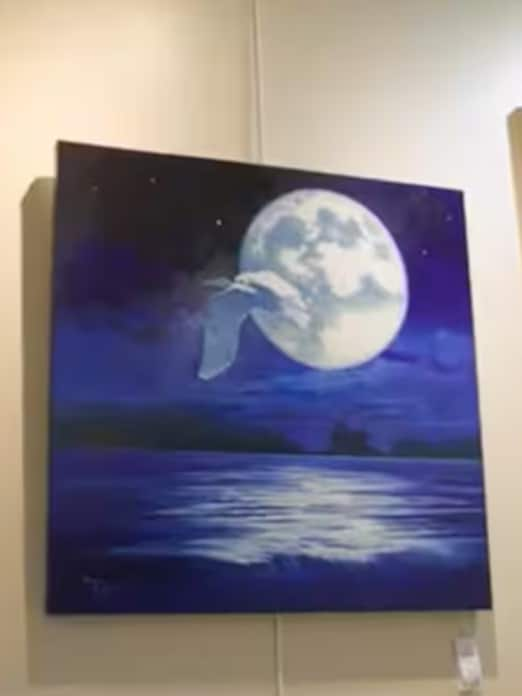
See New Orleans through Art with a Local Professor
See New Orleans through art with a local professor, then journey beyond the city into the landscapes, cultures, and traditions of regional Louisiana in an interactive mini-lecture.
 New place to stay
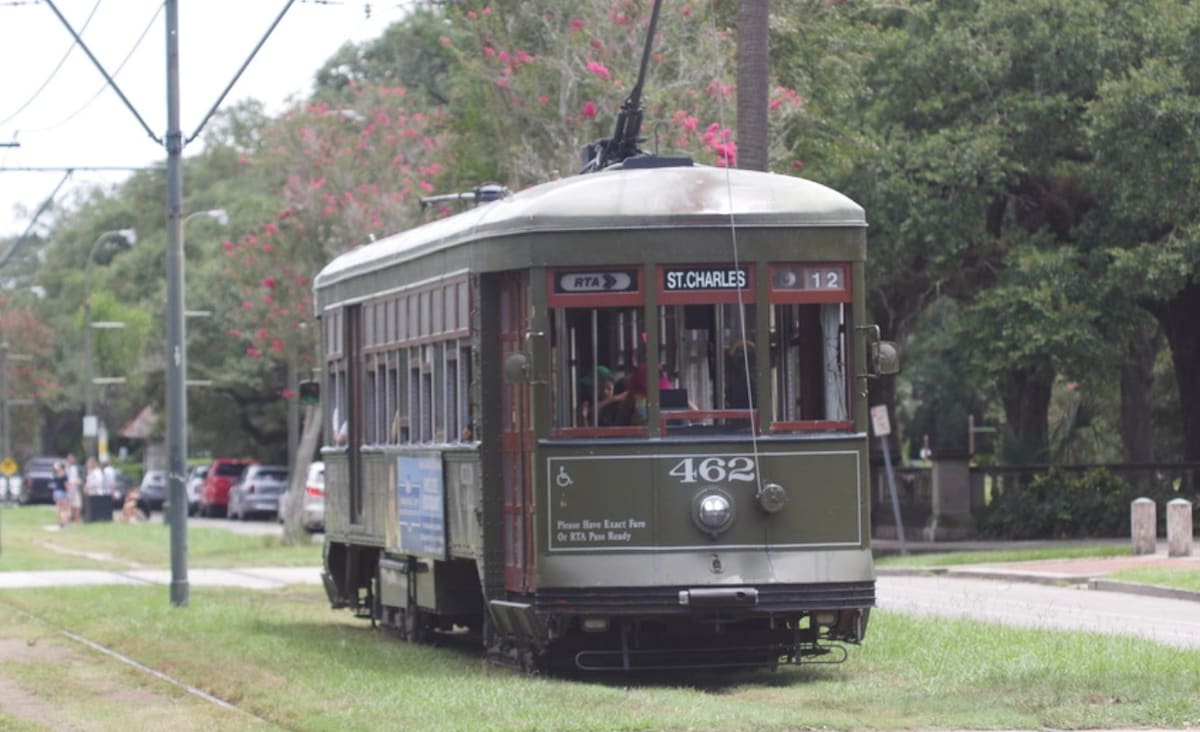
St Charles Streetcar & Garden District
Ride the historic St. Charles streetcar through the Garden District and Uptown while exploring New Orleans history, architecture, neighborhoods and the story of the streetcar itself.
 New place to stay
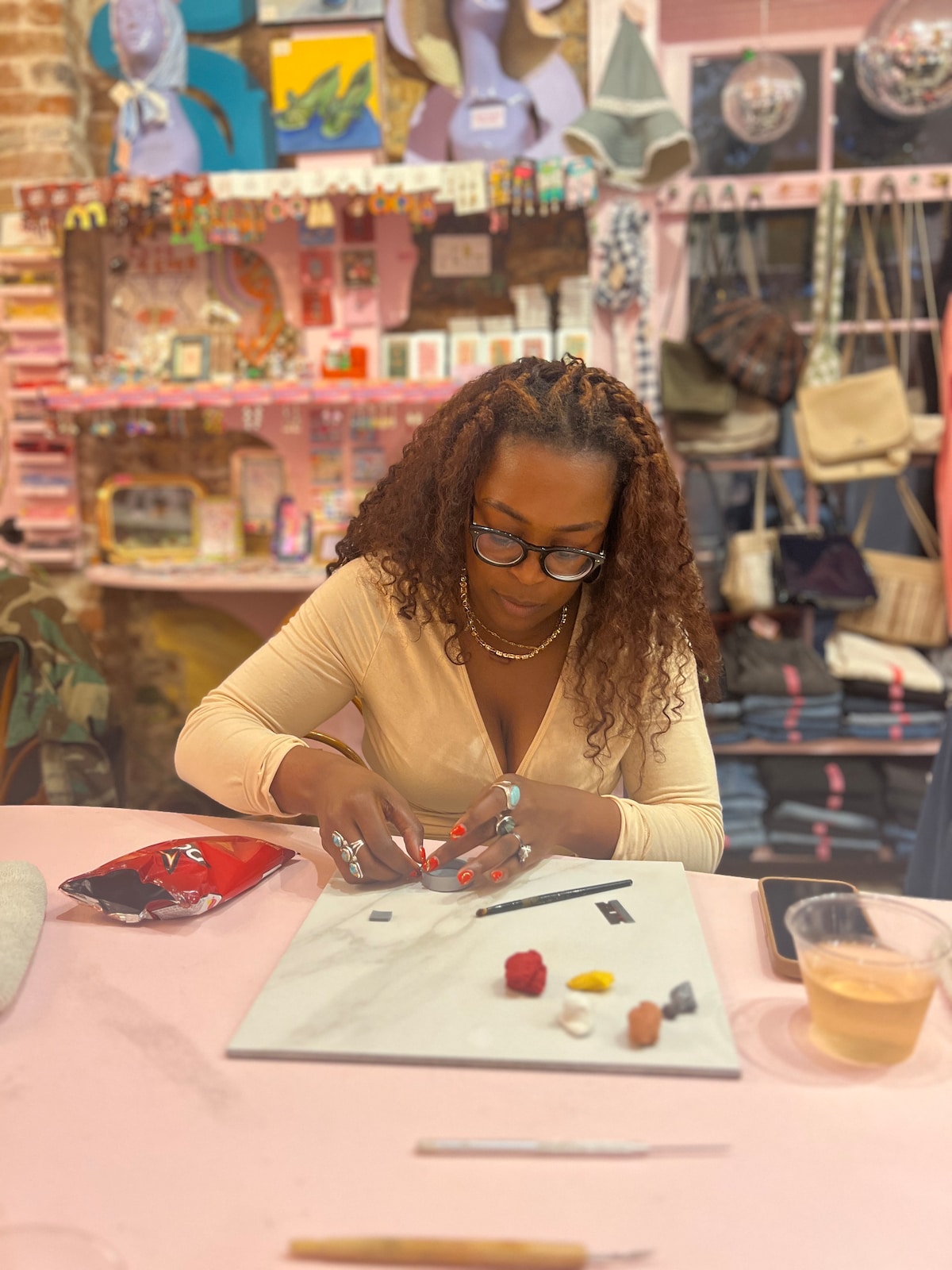
Craft Tiny Oyster Plate with a Miniaturist
I’ll show you every step to make a detailed polymer clay oyster plate with me here at C’Mere, my shop in the French Quarter that features work from more than 30 local artists.
 New place to stay
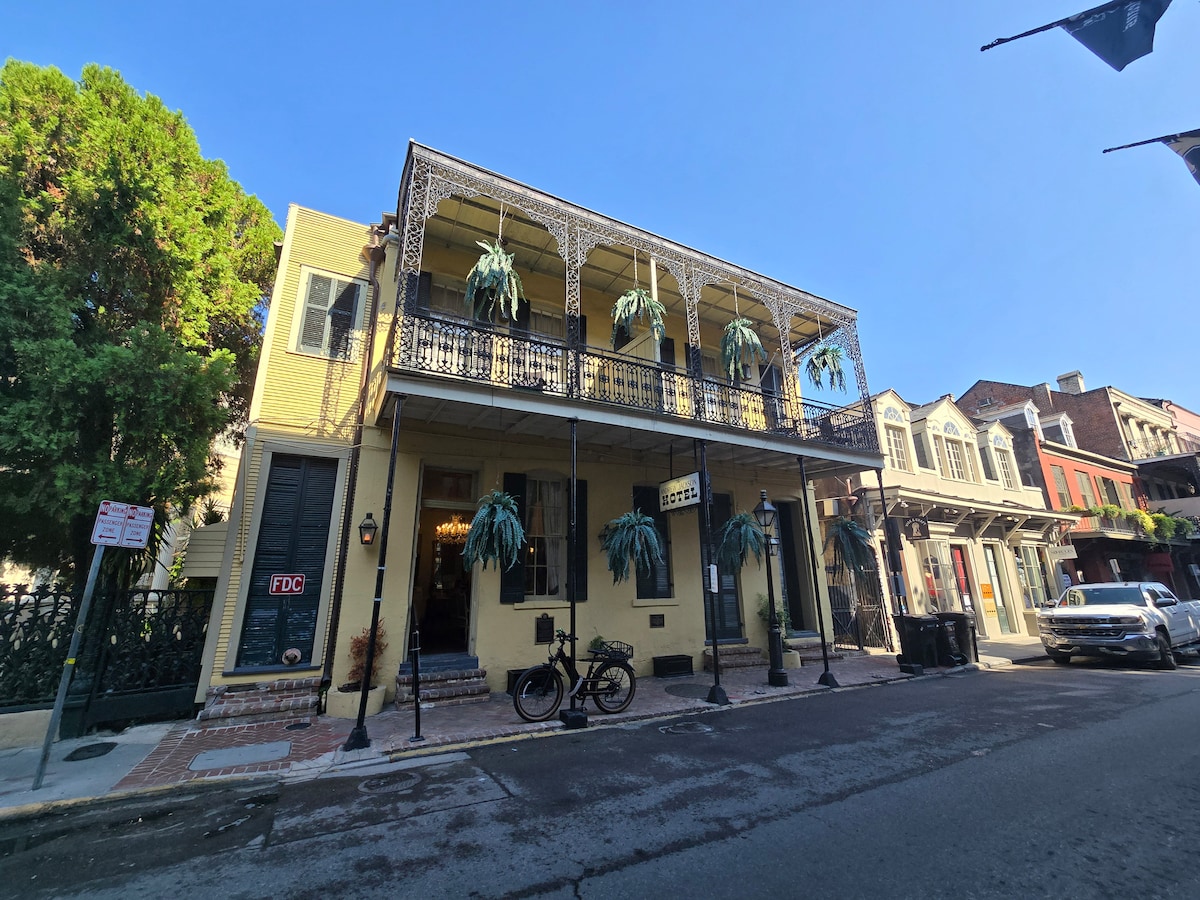
Visit Haunted Locations in the French Quarter
Experience documented haunted sites with a certified tour guide and hear unsettling stories of ghosts, apparitions and lingering spirits tied to the famous landmarks of the New Orleans French Quarter.
 New place to stay
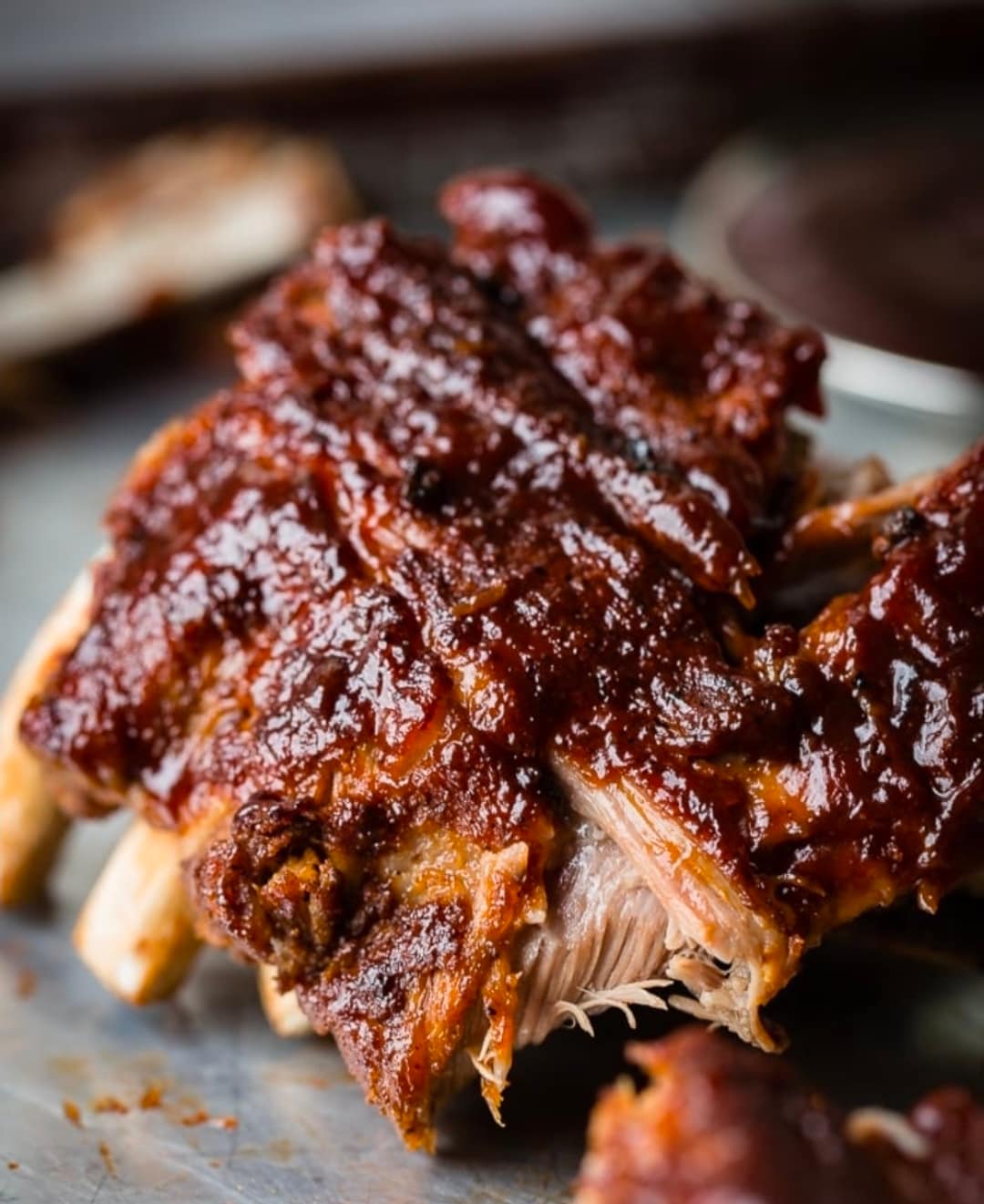
Pork Butt Cabaret- Cajun Pork Tasting & Live Music
Gather in a historic maisonette to taste fresh cracklin, gator and pork sausage, cochon de lait cheese grits, ribs with maque choux and a bacon glazed Creole dessert with a culinary leader.
 New place to stay
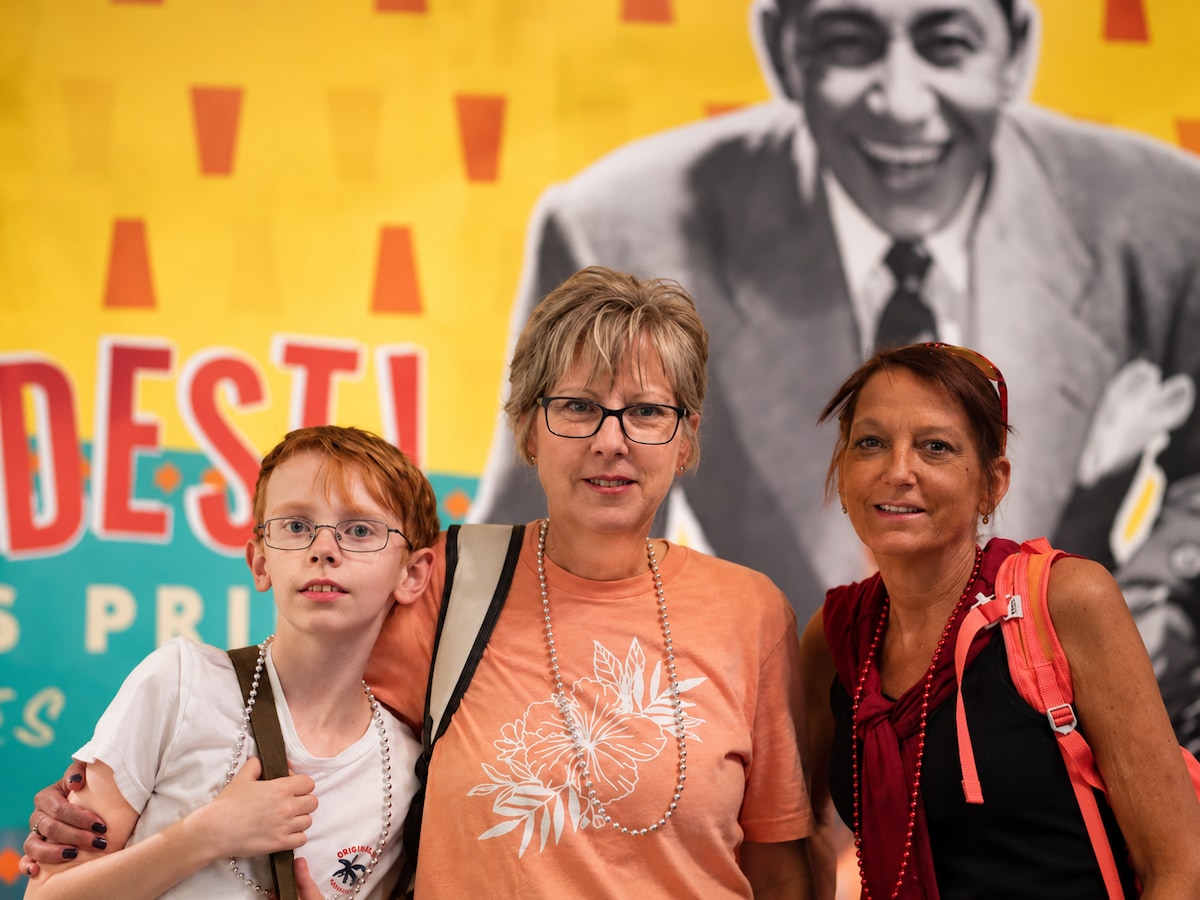
French Quarter Private Tour with a Jazz Musician
Explore the city’s oldest neighborhood on a private, story-filled tour with a Grammy Nominated musician. Discover iconic landmarks, hidden gems, jazz, architecture, Creole history with Photos included
Top New Orleans Attractions & Sights
Stay near the best of New Orleans landmarks and hidden gems. Surrounded by highly rated Guest Favorites

Pierra
From Pierra's guidebook
Plans were drawn up in 1967 by the New Orleans modernist architectural firm of Curtis and Davis and the building opened as the Louisiana Superdome in 1975. Its steel frame covers a 13-acre (5.3 ha) expanse and the 273-foot (83 m) dome is made of a lamellar multi-ringed frame and has a diameter of 680 feet (207 m), making it the largest fixed domed structure in the world.[6] The Superdome has routinely hosted major sporting events; it has hosted seven Super Bowl games (and will host its eighth, Super Bowl LIX, in 2025), and five NCAA championships in men's college basketball. In college football, the Sugar Bowl has been played at the Superdome since 1975, which is one of the "New Year's Six" bowl games of the College Football Playoff (CFP). It also traditionally hosts the Bayou Classic, a rivalry game played between the HBCUs Southern University and Grambling State University. The Superdome was also the long-time home of the Tulane Green Wave football team of Tulane University until 2014 (when they returned on-campus at Yulman Stadium), and was the home venue of the New Orleans Jazz of the National Basketball Association (NBA) from 1975 until 1979. In 2005, the Superdome housed thousands of people seeking shelter from Hurricane Katrina. The building suffered extensive damage as a result of the storm, and was closed for many months afterward. The building was fully refurbished and reopened in time for the Saints' 2006 home opener on September 25.

Vcay
From Vcay's guidebook
Caesars Superdome (2.6 miles, ~5 minutes by car) A world-famous sports and entertainment venue that hosts major events, including NFL games, concerts, and conventions. Home to the New Orleans Saints, the Superdome is a must-see for sports fans and event-goers alike. Address: 1500 Sugar Bowl Dr, New Orleans, LA 70112

Maxie And Lydia
From Maxie And Lydia's guidebook
Great place to catch a Saints game or a concert. Check out their events here: https://www.caesarssuperdome.com/events

Adam
From Adam's guidebook
Catch the NBA's New Orleans Pelicans. Try stubhub right before gametime for dirt cheap seats

The Eleanor New Orleans
From The Eleanor New Orleans's guidebook
Home to the NBA New Orleans Pelicans, the Center hosts some of the biggest concerts in the area. The Smoothie King Center is less than a 15 minute walk from this unit.

Alexei
From Alexei's guidebook
Catch a Pelicans game, concert, or live show at this major arena — a fun spot for big events and a lively night out in New Orleans.

Edward
From Edward's guidebook
Located on the Mississippi River adjacent to the French Quarter, Audubon Aquarium of the Americas is consistently top ranked, voted as one of the top five in the country in the USA Today “10Best” reader poll and ranked as one of the top things to do in New Orleans. The Aquarium transports visitors to an underwater world from the Caribbean, to the Amazon Rainforest, to the waters that give New Orleans its lifeblood: the Mississippi River and the Gulf of Mexico. With more than 3,600 animals from more than 250 species, including endangered species, such as African penguins, and rare animals, such as white alligators, the Aquarium offers you an experience you'll never forget.

EsplanadeMansion
From EsplanadeMansion's guidebook
Along the waterfront in downtown New Orleans, within walking distance of the French Quarter, the aquarium focuses on species found in North, Central, and South America. The museum has an impressive collection of over 3,600 animals spread across over 250 species. Beginning in the north, visitors can learn about creatures that lurk below the surface of the nearby surrounding waters, with exhibits that highlight freshwater fish of the Mississippi River and marine life from the Gulf of Mexico. This includes everything from sharks and stingrays to sea turtles. The Great Maya Reef can be viewed from a 30-foot-long walk-through tunnel and is designed to look like a sunken Maya city, with fish swimming among the ruins. The Amazon Rainforest offers a look at the colorful birds, exotic fish, and even the snakes of this region of South America. Always popular are the sea otters and penguins, as well as the wildlife encounter programs. Available as optional extras are hands-on experiences with the African penguins and a chance to SCUBA dive or snorkel the Great Maya Reef.

Leigh
From Leigh's guidebook
The Aquarium is really worth seeing. Once you've seen all the beautiful fish, head upstairs and buy a few popsicle sticks with birdseed on them and feed the birds. This is fun for all ages and the birds will sit on your shoulder, or climb your shirt! The IMAX cinema is also next door and has really great nature documentaries usually.

Jamie And Jeff
From Jamie And Jeff's guidebook
The zoo is forever immortalized in song by The Meters "I went on down to the Audubon Zoo And they all asked for you!" We love going to the zoo as a family. Our favorite place besides the lions, is the famous Monkey Hill that kids have been rolling down for generations. Legend has it that Monkey Hill was built so the children of New Orleans (which is below sea level) would know what a hill looked like. There is also a new slide, bronze lion sculptures, wading pools and plenty of "room to roll" down.
Edward
From Edward's guidebook
Located in historic Uptown New Orleans Audubon Zoo cares for animals from around the globe, engaging educational programs, and hands-on animal encounters. Unique natural habitats such as the award-winning Louisiana Swamp and Jaguar Jungle showcase the relationship between people and nature. Don't miss the daily animal presentations, chats and feeds; our highly endangered whooping cranes, Amur leopards, and orangutans; our tiger; and our mysterious white alligators. Audubon Zoo is consistently one of the country’s top-ranked zoos, voted as one of the top ten zoos in the country in the USA

Aukena
From Aukena's guidebook
Just minutes away, the Audubon Zoo is one of the nation's top zoos and a favorite New Orleans attraction. Visiting in the summer? Check the zoo's website for special events like Adults Only Nights and Cool Zoo, the seasonal water park that's perfect for families.

Kenny
From Kenny's guidebook
The Fairgrounds race track is the second oldest continually operating race track in the country. Established in 1837, it is a longtime staple of the neighborhood and the home of Jazz Fest since the late 1970s. Generations of New Orleanians traditionally patronize the racetrack on both Thanksgiving day and the Louisiana Derby Day wearing traditional hats, dresses, and suits. Otherwise, it's a fairly casual outing unless you'd like to dress up. The racetrack has very comfortable grandstands, an off-track betting system, and small casino inside. Consult the website for the live racing schedule. Look out for the twilight series and exotic animal races where you can even bet on ostrich races.

Liz
From Liz's guidebook
home of Jazz Fest, too! world renowned music, arts, culture and food festival hosted at the Fairgrounds on the last 3 day weekend of April and first 4 day weekend of May ~ easy 15 minute walk

Wesley
From Wesley's guidebook
The home of the New Orleans Jazz & Heritage Festival every April and May and horse races when in season.

T
From T's guidebook
The French Market District encompasses six blocks from the Upper Pontalba on Jackson Square to the Flea Market on Barracks and N. Peters Street. Included in these blocks are: Washington Artillery Park (across from Jackson Square), all the riverside retail stores and restaurants on Decatur Street from Café du Monde at 800 Decatur Street to the Gazebo Café at 1016 Decatur Street. Dutch Alley, LaTrobe Park, New Place de France, and the Farmers and Flea Markets make up the rest of the properties. The French Market has great restaurants and shops along with live music along the the way. It is nearly half the length of the French Quarter of New Orleans. A kid-friendly atmosphere.

Antoinette
From Antoinette's guidebook
"The French Market, open seven days a week includes our Flea Market featuring over 200 vendors and our Farmers Market with eateries, fresh produce, baked goods, garden décor, and café style seating Since 1791, the historic French Market has remained an enduring symbol of pride and progress for the people of New Orleans. In over 200 years of existence, the Market has been built, destroyed, and rebuilt many times over, but what remains unchanged is the Market’s central spirit of commerce, community, and culture that is irresistible to visitors from near and far."

Dartanion
From Dartanion's guidebook
Similar to some European markets, this historically charming open-air market features shopping, dining, music and local tradition that is uniquely New Orleans. From Caf� du Monde near Jackson Square to the flea market at the end of Esplanade Avenue, the French Market includes five blocks of local produce, specialty art, handmade crafts, retail shopping and more.

Kevin
From Kevin's guidebook
One block from the streetcar line is the National WWII Museum. This place could easily require two days to fully explore. Both the European and Pacific Theaters are represented. Movies, shows, exhibits, food, a great gift shop, and much more.
Edward
From Edward's guidebook
Discover the most impactful event of the 20th century and the legacy of the WWII generation in thought-provoking exhibits—including our permanent exhibit, The Arsenal of Democracy: The Herman and George R. Brown Salute to the Home Front—and explore the American experience in the war that changed the world. From D-Day galleries and the 4D cinematic experience Beyond All Boundaries to the soaring US Freedom Pavilion: The Boeing Center and the groundbreaking Campaigns of Courage, this world-renowned history museum is designed to inspire visitors of all ages in the lessons of World War II and the stories of heroism, tragedy, and liberation.

Brian
From Brian's guidebook
Ranked by TripAdvisor as the #1 Attraction in New Orleans, named by USA Today as the #1 Best Place to Learn U.S. Military History, and designated by Congress as America’s official museum about World War II, The National WWII Museum features a rich collection of artifacts that bring history to life. Discover the most impactful event of the 20th century and the legacy of the greatest generation in thought-provoking exhibits, and explore the American experience in the war that changed the world. From D-Day galleries to the 4D cinematic experience, Beyond All Boundaries, from the soaring US Freedom Pavilion: The Boeing Center to the groundbreaking new Campaigns of Courage, this world-renowned hi
Kenny
From Kenny's guidebook
New Orleans Museum of Art was first established by a charitable grant from local philanthropist Issac Delgado in 1911. It is a beautiful fixture of City Park located directly up Esplanade Ave across Bayou St. John. It is the oldest fine art museum in the city. Notably, NOMA's collection includes an impressive array of impressionist artwork from Degas, Renoir, Monet, Pissaro, and Mary Cassat. The collection features other cubist and modernist art including works from Picasso, Braque, Dufy, Miro, Pollock, and Georgia O'Keefe. Additionally, the museum features a host of Louisiana and Gulf South artists. Of special note, the sculpture garden is a beautiful and peaceful walk. Be sure to check their revolving exhibitions when you're in town.
EsplanadeMansion
From EsplanadeMansion's guidebook
In the south part of City Park is the New Orleans Museum of Art, one of the finest of its kind in the South. The museum features an excellent collection of French and American art, as well as African and Japanese pieces. On site and another of the institutions highlights is the outdoor Sydney and Walda Besthoff Sculpture Garden, with more than 60 sculptures, as well as walking paths, lagoons, and mature live oak trees.

Sam
From Sam's guidebook
Description: Located in City Park, this museum showcases an impressive collection of fine art spanning 5,000 years, from European masterpieces to African and Asian art. Don’t miss the beautiful Sculpture Garden surrounding the museum, featuring more than 90 works of art. Distance: 1.5 miles Highlights: Sculpture Garden, rotating art exhibits, art education programs

Karen
From Karen's guidebook
On Thursday nights the museum stays open late and has live music.

Samantha
From Samantha's guidebook
Boasting the most comprehensive collection of Southern art in the world, the Ogden Museum of Southern Art is Smithsonian-affiliated and celebrates the culture and aesthetic of Southern artists dating back to 1733. The permanent collection showcases more than 4,000 pieces from 15 states.
Kevin
From Kevin's guidebook
Directly across from the WWII Museum and also on the streetcar line, is the Ogden Museum of Southern Art with several floors of displays devoted to Southern Artists. Once per week they host a Happy Hour with drinks and live music.

Lloyd
From Lloyd's guidebook
History and costumes of Black carnival maskers called "Mardi Gras Indians. The adaption of West African bead and feather craft in honoring Native American tribes who took in and adopted escaped slaves.

Jamie
From Jamie's guidebook
Learn about Black Masking Indians (Mardi Gras Indians), Jazz funerals, Social Aid and Pleasure Clubs and so much more. This museum is a hub for African American cultural cornerstones of New Orleans.

Lauren
From Lauren's guidebook
The Backstreet Cultural Museum holds the world’s most comprehensive collection related to New Orleans’s African American community-based masking and processional traditions, including Mardi Gras Indians, jazz funerals, social aid and pleasure clubs, Baby Dolls, and Skull and Bone gangs.

Kevin
From Kevin's guidebook
The Sydney and Walda Besthoff Sculpture Garden occupies approximately eleven acres in City Park adjacent to the museum. Atypical of most sculpture gardens, this garden is located within a mature existing landscape of pines, magnolias and live oaks. The garden design creates outdoor viewing spaces within this picturesque landscape. A reconfigured lagoon bisects the site and creates two distinct halves: a mature pine and magnolia grove adjacent to the museum, and a more open area of 200-year-old, Spanish moss-laden live oaks across the lagoon near the New Orleans Botanical Gardens. The Sculpture Garden is open 7 days a week with free admission.

Jenee
From Jenee's guidebook
The Sculpture Garden is a 12-acre outdoor art park in New Orleans' City Park, adjacent to the New Orleans Museum of Art (NOMA), featuring over 90 modern and contemporary sculptures set in a landscape of live oaks, lagoons, and native plants. It is known for its free admission, meandering paths, and significant works by artists like Rodin, Bourgeois, and Maya Lin, with a major expansion completed in 2019 that added a pavilion and amphitheater.

Lindsay
From Lindsay's guidebook
The Sculpture Garden at the New Orleans Museum of Art holds more than 60 sculptures collectively valued at $25 million. These incredible works of art are nestled along meandering footpaths, reflecting lagoons, and 200-year-old live oaks inside the garden.

Jeff
From Jeff's guidebook
Checking in at over 23,000 square feet, the Audubon Butterfly Garden is the largest free- standing American museum dedicated to insects. Offering more than 50 exhibits and multimedia presentation, the Butterfly Garden will give you a new perspective on the creepy crawlies that populate our planet.

Natalie
From Natalie's guidebook
Right near the ferry terminal, this insectarium includes a butterfly room! Great discounts offered by the Audubon Combo Ticket: Insectarium, Aquarium, IMAX, and Zoo.
Kevin
From Kevin's guidebook
Near the Audubon Aquarium and part of the zoo, aquarium and insectarium family of exhibits. Families can get discounts by visiting more than one.

Joshua
From Joshua's guidebook
(Next door, literally) Known as NOLA'S BACKYARD PARTY, Grab a bottle of wine on the way in and choose some cheeses and meats for the charcuterie board at this eclectic wine shop/bar and music venue with live jazz seven days a week. PS, you can also purchase wine or beer to go!

MarineLayer
From MarineLayer's guidebook
One of the best bars in the city - pick out your bottle of wine and your cheeses from the market, then venture out to find a table on their large patio. Enjoy live music under the oaks, your fabulous cheese plate, and grab bites and cocktails from the bar upstairs if you need a little extra!

Macarty House (Daniel & Lauren)
From Macarty House (Daniel & Lauren)'s guidebook
Bacchanal is one the places to visit if you're looking tapas/small plates and a backyard party featuring live music on the weekends. It's a NOLA experience with excellent wine selection. You walk into a wine store front, select your bottle(s), pay for the vino and head out to the backyard seating area grabbing your wine bucket and ice along the way. Delicious small plates are available at the walk up window located on the backside of the building.

Minh
From Minh's guidebook
The original French market coffee stand, serving cafe au lait and hot beignets (French doughnuts) 24 hours a day, year round. This familiar New Orleans landmark has been located in the french market since 1862.

Charles
From Charles's guidebook
This is a local and tourist FAV. A must do when in N.O. be prepared it is busy all the time. They are open 24hrs. so go early in the am hours like after1am but before 10am and you will get in without the 1 to 2 hour wait. Serving Cafe' au laits, Chicory Coffee & Beignets since 1862. If you really enjoy it, you can buy 1lb tins of the Chicory Coffee and the Beignet Mix to take home and enjoy a little taste of N. O. while looking through your photos and sharing the memories of stay in The Big Easy.

Joel & Lindsey
From Joel & Lindsey's guidebook
This is a MUST. Get beignets and a cafe au lait. They only take cash and don't serve anything else except various non alcoholic drinks. Great as a dessert, or late night stop. They are open 24 hours.

Erica
From Erica's guidebook
An incredible modern jazz joint with a special back listening room. Also serve great burgers, seafood and steak in a seperate bistro. Book tickets in advance because they sell out, especially on weekends - $15-35 tickets, well worth it on a non-touristy part of Frenchmen Street and they pay the musicians well!
Kenny
From Kenny's guidebook
For the true modern jazz lover, Snug Harbor will usually be the best option in the city to see it. It’s one of the oldest clubs on Frenchmen. There is a small restaurant in the front, but the music room is the main event and does not allow food inside. Tickets usually run about $30, which is quite a bit higher than your average cover charge, but it is the best low-lit jazz lounge in the city and worth every penny to sit and listen to some truly amazing musicians. Opened in the mid 1980s, it is one of the original wave of venues on the street.

Rj
From Rj's guidebook
If you're a real jazz fan, make reservations and buy tickets to come here. You can have dinner in the front and then head into the jazz club in the back for a sit-down show. Best place to find heady jazz in Nola and it's a venue where patrons really listen to the music (not a party vibe like the rest of frenchman).

Jessica
From Jessica's guidebook
Weathered bar and very intimate jazz venue where it's standing room only if you can't score a seat at the bar. Get ready to know your neighbor. Huge range of local talent play here, and the coziness feels special, like being in stuck in a jazz club elevator. You can't really turn around and you don't really want to.

Carrie Anne
From Carrie Anne's guidebook
No cover, 2 drink minimum. Local jazz every single day from the afternoon into the evening! The place is small and can get quite crowded once the dance floor gets going!!! The Spotted Cat is a local favorite of the swing dance community. Perfect starting point for a night of exploring Frenchman St.

Cynthia
From Cynthia's guidebook
Great music and inexpensive drinks make this Frenchman St. spot a favorite of locals and travelers alike. On any given night catch two sets of blues, jazz, latin, or any of their various permutations. The space is small and the energy is contagious—it can get packed, but it's all part of the experience.

Georgia
From Georgia's guidebook
At the corner of my block, the St. Roch Market offers breakfast, lunch and dinner with fresh, locally-sourced ingredients. Complete with food vendors, produce, local products, a wine bar, oyster bar, coffee bar, sweets and entertainment. This is a historic landmark brought back to life.

Maison
From Maison's guidebook
Cool spot to try for breakfast lunch or even dinner (great food) & craft cocktails is The St Roch Market. It's super nice food hall with many "kiosks" stalls of small restaurant stands so everyone in your party can have a different type of meal and in the far back is a good sized bar and they really do make good drinks. They have a happy hour too from 4-6pm (double check hours).

James
From James's guidebook
This is a food hall with tons of choices, so everyone can get their own favorite. The line-up of restaurants changes from time to time, but this is a fun and popular place to try oysters, pho, tacos, cajun/creole, vegan, pastries, and even do a little produce shopping. Housed in an old produce market, the space has been fully restored and it is glorious. Live jazz in the evenings, too. This cannot be missed.

Leonardo
From Leonardo's guidebook
Rebirth Brass Band plays at Maple Street Bar every Tuesday night. A true New Orleans cultural experience, worth to see it!

Cate Bloom
From Cate Bloom's guidebook
The Maple Leaf Bar is legendary, no-frills, authentic New Orleans music venue located on Oak Street in the Uptown/Carrolton neighborhood. It is one of the city's longest-operating music clubs and remains a vital hum for local artists. History: The Maple Leaf Bar was the "Piano Prince's", James Booker, home base. Booker held a weekly residency and the club was a central part of his life. Today you can catch local legends at their weekly gigs: George Porter Jr on Mondays Johnny Vidacovich on Thursdays

Jennifer
From Jennifer's guidebook
The Maple Leaf is a classic New Orleans dive bar that used to host the grammy-award winning Rebirth Brass Band every Tuesday night (before covid). It's next door to Jacque-Imo's, which is a classic New Orleans restaurant. Have the alligator cheesecake!

Jennie
From Jennie's guidebook
Walkable from the apartment, City Park houses the museum of art, sculpture garden which is free admission, beautiful walking and jogging paths around the lake and festival grounds, and a botanical garden, playgrounds, and morning call which serves beignets 24 hours a day. Plenty to do with surreys and kayaks for rent as well.
MarineLayer
From MarineLayer's guidebook
City Park offers more than the average park: New Orleans Museum of Art, Sculpture Garden (free), Botanical Gardens, Miniature Golf, Storyland, and the Amusement Park.

Sarah
From Sarah's guidebook
1,300 acres of historic oaks, bike and walking paths, an amusement park, miniature golf, boat rentals: City Park is like a little city within a park. 3 blocks away.

Steven
From Steven's guidebook
A historic park in the French Quarter about the size of a city block. There are walkways, benches, and Parisian-style landscaping. A statue of Andrew Jackson in front of the Saint Louis Cathedral. Beautiful and tranquil. Outside there are usually artists displaying their work and street musicians. Horse drawn carriages wait for tourists on Decatur St. It was declared a National Historic Landmark in 1960.

Bret
From Bret's guidebook
Pretty much the most iconic spot in all of New Orleans. Always something to see around this square. Brass bands, tarot card readers, wedding coming from the church, artist booths all year round....you can stay here for hours people watching and never get bored.

Tim And Kaelyn
From Tim And Kaelyn's guidebook
The view, the entertainers, fortune tellers, and artist in the streets, and the horse carriages are what makes Jackson Square so attractive to all. Also home to the historical Cafe Du Monde with its powdery beignets and coffee; always open and don’t forget to bring cash!

Bradley
From Bradley's guidebook
Surrounded by giant oak trees and its paths for walking, jogging, and bike riding, Audubon Park features a par 62 golf course with views of the Holy Name Church bell tower on the Loyola University campus, playgrounds, riding stables, tennis courts, and even a public pool. It also includes one of the country’s best zoos, Audubon Zoo, and the Fly, a lovely stretch of park on the river where you can hang out and watch the boats pass by.

John
From John's guidebook
I love both of the large 19th-Century Ohlmstead-designed parks in New Orleans, but I spend more time in the uptown spot: Audubon Park. It has a two-mile paved walkway that circles the Magazine-Street-to-St. Charles-Avenue section of the park and I can be found there several afternoons each week walking the dog. It's lagoons and isles are roosting spots for an astonishing number of birds, and you can have a great time people watching on its allées of ancient live oaks, shelters, and playgrounds. Audubon Park is open to the public and also features tennis courts, riding stables, soccer fields, the Whitney Young Pool, Audubon Clubhouse Café and Audubon Golf Club.

The Natchez
From The Natchez's guidebook
Golf course, walking and biking path, the zoo, and beautiful views of Louisiana wildlife. If you make your way all the way behind the zoo, you'll find "The Fly", a favorite local spot for crawfish boils and picnics on the river. Make your way around the park for a peek at the giraffe enclosure from the outside and the centuries old "Tree of Life".

Angela
From Angela's guidebook
One block from the house. A newly made one mile park trail that goes into edge of French Quarter - hugging the Mississippi River. Simply the best view in New Orleans. Can walk (16 minutes) or bike it (6 minutes).
EsplanadeMansion
From EsplanadeMansion's guidebook
This park was created in 2014, when a formerly derelict area of the city near the Marigny and Bywater neighborhoods was targeted for redevelopment. The park runs along the river; it is 1.4 miles long and is spread out over 20 acres. The main attraction in the park, apart from the pleasant green spaces, is the Piety Street Bridge. This arch spans the railroad tracks and allows access to the waterfront. Come here if you are in the nearby areas and want to enjoy a bit of a local secret. Looking for the ultimate photo of downtown New Orleans? Snap it from the top of the bridge and catch the curve of the river in the foreground of your shot.

Brooke
From Brooke's guidebook
Cross the iron Rainbow Bridge at Piety and Chartres for the best view of Nola and the Mighty Mississippi. Close to Pizza D and Elizabeth's for food before or after.
Leonardo
From Leonardo's guidebook
Armstrong Park Located in Faubourg Treme, just north of the French Quarter, Louis Armstrong Park is part of the New Orleans Jazz National Historic Park, operated by the National Park Service. Armstrong Park includes several landmarks of early jazz, most notably Congo Square. Also known as Place Congo and Place de Negres, Congo Square was an early gathering point for African slaves, free peoples of color and their descendants.
EsplanadeMansion
From EsplanadeMansion's guidebook
Just steps from the French Quarter sits this public park that honors the jazz great Louis Armstrong. Look for the iconic, arched entrance"”inside you'll find sites like Congo Square (a historic meeting place for slaves in the 1800s), sculptures, duck ponds and lots of open spaces for relaxing.
Sam
From Sam's guidebook
Description: Named after the legendary jazz musician, this serene and historic park is home to Congo Square, a cultural hub for African and Caribbean music and dance. It’s an excellent spot for a peaceful walk, photography, and enjoying open-air concerts or festivals. Distance: 1.7 miles Highlights: Congo Square, Mahalia Jackson Theater, jazz history
Brooke
From Brooke's guidebook
This riverfront spot is right behind the Audubon Zoo. Bring some po-boys or crawfish and enjoy a picnic lunch on the river watching the barges float by on the Mighty Mississippi.
Wesley
From Wesley's guidebook
Sit on the Mississippi and picnic, eat, drink and be merry until dusk.

Laurie
From Laurie's guidebook
Best place to walk along the river and see the huge ships. Tucked away at the back of Audubon Park, a nice jog from the house.If you get tired, you can sit on the benches and watch the river flow.
Vcay
From Vcay's guidebook
French Quarter (2 miles, ~10 minutes by car) The heart of New Orleans! Explore Bourbon Street, Jackson Square, and the French Market. You’ll find live jazz, stunning Creole architecture, and countless boutiques. Don’t Miss: Beignets at Café du Monde and street performers around Jackson Square.

Kimberly
From Kimberly's guidebook
A day in the Historic French Quarter would not be complete without eating at one of the amazing local restaurants service PoBoy sandwiches, Gumbo, Jambalaya, Shrimp and Grits or Bokled Crawfish! Catch a Jazz band performing at Preservation Hall or watch street artists painting at Jackson Square. Need a drink? Visit one of thd famous bars along Bourbon Street like Pat O'Brian's (Inventor of The Hurricane), Bourbon House for a Bourbon Punch or Acme Oysters for a cold beer and raw oysters. For dessert you must hit Cafe du Monde for Beignets and Chicory Coffee.
Antoinette
From Antoinette's guidebook
"The French Quarter is the city’s historic heart, famous for its vibrant nightlife and colorful buildings with cast-iron balconies. Crowd-pleasing Bourbon Street features jazz clubs, Cajun eateries and raucous bars serving potent cocktails. Quieter streets lead to the French Market, with gourmet food and local crafts, and to Jackson Square where street performers entertain in front of soaring St. Louis Cathedral."

Christopher
From Christopher's guidebook
In the charming Garden District, oak-shaded streets are lined with a diverse mix of homes, from single-story cottages to the grand historic mansions and lavish gardens of St. Charles Avenue, on the Mardi Gras parade route. Leafy Lafayette Cemetery is filled with ornate, 19th-century tombs. Boutiques and antique shops sit alongside fine-dining restaurants, casual cafes and local bars on and around Magazine Street.

Iwona
From Iwona's guidebook
Upriver from the French Quarter lies the Garden District. Take a tour of this neighborhood’s grand mansions and historic cemeteries or just stroll around on your own. The houses and history are a draw, but the neighborhood also offers a wealth of shops and cafes, as well as Commander’s Palace, one of New Orleans’ best restaurants.
Natalie
From Natalie's guidebook
It's the Americans who built up this area in the mid-1800s. They came to New Orleans knowing how to make money...and spend it. Beautiful mansions and picturesque above-ground cemetery (closes at 3pm). We take the ferry over and then catch the street car from Canal St at Carondelet St. If you have a car, it's only a 20-minute drive and has plenty of free parking in the interior of the neighborhood. Dine or shop on Magazine Street after!

Trevor
From Trevor's guidebook
Melpomene and the surrounding streets (Urania, Thalia, Euterpe, Calliope, Clio, Erato, Terpsichore, and Polyhymia) are named after the 9 Greek muses. The Lower Garden District and these streets were designed and named by Barthelemy Lafon, a smuggler and pirate turned architect and surveyor. Coliseum Square, a three block long park in the center of the District, was intended as the site of a coliseum, and Annunciation Square as the site of a great cathedral. They were never built.

Bradley
From Bradley's guidebook
Stately neoclassical mansions, cool cafes, eclectic eateries and homey pubs line oak-shaded streets in the charming Lower Garden District. Handmade jewelry, local antiques and vintage Mardi Gras costumes are on sale at the monthly Little Flea NOLA market, while a stretch of Magazine Street has antiques shops and clothing boutiques.

Owen
From Owen's guidebook
Best neighborhood in the city! Beautiful Victorian and Greek Revival architecture, majestic live oak trees, Coliseum Square park, Annunciation Square park, Magazine Street restaurants and retail, St Charles Avenue streetcar line.
Christopher
From Christopher's guidebook
Uptown/Carrollton is a laid-back residential area known for its oak trees and landmark restaurants like the late-night Camellia Grill and the iconic Jacque-Imo’s, serving Creole cuisine. Venerable live music venues include the Maple Leaf Bar, for brass bands, bayou tunes and dancing. Quirky bookstores and indie clothing boutiques line Oak Street, while Palmer Park has a popular monthly art market. Freret Street is like the uptown version of Frenchman street in the Marigny but not as many music venues. Freret does offer fabulous restaurants, bars and some hopping! Magazine street goes all the way from the end of the french quarter at Canal Street to the tip of Uptown, it's about a 6.5 mile stretch! Magazine street is a must see!

Kate
From Kate's guidebook
Take a ride on the street car on St. Charles Avenue to see Uptown, the ‘American’ part of town with beautiful historic villas in the Garden District, shops and restaurants on Magazine street, Tulane and Loyola historic campuses, Audubon Park and Audubon ZOO.

Sukari
From Sukari's guidebook
Nearby Uptown/Carrollton is a laid-back residential area known for its oak trees and landmark restaurants like the late-night Camellia Grill and the iconic Jacque-Imo’s, serving Creole cuisine.

Royal Sunshine
From Royal Sunshine's guidebook
Faubourg Marigny was actually the 1st subdivision in New Orleans that developed from a factory area to the culturally rich neighborhood filled with Creole cottages that it is today. The City of New Orleans started with just the area now known as the “Vieux Carre,” or the “French Quarter.” New Orleans grew north from Rampart Street into what is now Faubourg Treme, eventually linking up to Bayou St. John, in what is now “Mid City.” As the city continued to grow, plantation owners began breaking up their tracts of land into smaller lots to sell to newcomers. The first plantation owner to do this, Bernard Marigny de Mandeville, owned the land just downriver from Esplanade Avenue. As more and more French people came to the area, the demand for residential property became greater. By 1805, exiles from both France and Haiti flocked to the city in the wake of revolutions. Forty years of Spanish control of Louisiana attracted a number of people from Spain and her colonies. Buyers would build small creole cottages on those lots. As the neighborhood grew, residents would purchase adjacent lots and build larger homes, mostly in the Greek Revival style. By the late 1820s, Faubourg Marigny was its own small town, the “Third Municipality” of the city of New Orleans. Creole families built homes. Businessmen opened shops along Frenchmen Street. Because of the railroad connection on Elysian Fields, light industry and manufacturing developed along that street rather than shops and small businesses. The Marigny attracted factory workers, like the Germans who worked at the Columbia Brewery in the 1890s. When the city constructed a municipal sewer system in 1914, residents with some means left the Marigny, building homes in neighborhoods where they could install indoor plumbing. The older houses they left behind became rental properties, attracting factory workers and others needing low-cost housing. This trend of Faubourg Marigny as a “low-rent” neighborhood continued through the Great Depression and World War II. The next big transition in Faubourg Marigny began in the 1970s, as young professionals began the “gentrification” process. Recognizing the potential of the old single and double shotguns as homes and small offices, young families began to acquire these properties. Dedicated homeowners in Faubourg Marigny have worked hard over the years to preserve the neighborhood’s character, while at the same time, working with the city to add improvements (such as the new streetcar line). Restaurants, clubs, and B&Bs, particularly on Frenchmen Street and nearby blocks add an important commercial component to the area Bernard Marigny de Mandeville is usually thought of as a Creole dandy who brought the dice game Hazard (we now call it “craps”) to North America, but his long-lasting contribution to the city he loved is the New Orleans’ first subdivision.

Drei
From Drei's guidebook
The offbeat Marigny district is known for its Cajun bistros, bohemian bars and jazz clubs, especially along Frenchmen Street. Sidewalk musicians and brass bands add a block party vibe to the nighttime Frenchmen Art Market, which sells local artwork and handicrafts. Quieter spots include Washington Square where the lawns are shaded by old oak trees. The Marigny Opera House offers an eclectic program.

Donny
From Donny's guidebook
The Marigny is one of New Orleans’ most vibrant and eclectic neighborhoods, where history, creativity, and nightlife blend seamlessly. Nestled just downriver from the French Quarter, the Faubourg Marigny (its full name) is a place where 19th-century Creole cottages stand alongside colorful murals, live music spills out from hidden courtyards, and locals gather at funky cafés and dive bars. This neighborhood has long been a haven for artists, musicians, and free spirits. It’s home to Frenchmen Street, the city’s premier live music corridor, where intimate jazz clubs, brass bands, and blues joints keep the energy pulsing late into the night. The streets are lined with quirky bars, Creole restaurants, and art markets, making it a must-visit for those who want an authentic, less touristy taste of New Orleans.
Royal Sunshine
From Royal Sunshine's guidebook
The streets, parks and architecture of the Bywater Historic District still strongly suggest its historic origins as an area where residential, agricultural and industrial uses co‐ existed. It remains a quiet neighborhood of small‐scale residences peppered with corner stores, bars and restaurants catering primarily to locals. Industrial buildings in the blocks closest to the Mississippi River reflect the historical interdependence of New Orleans on the River. They currently house both long‐established businesses and newer art studios and community non‐ profits. The eclectic architecture of the neighborhood is dominated by shotguns and Creole cottages. The District also includes the Lombard House, a glimpse into the area’s early 19th century character of small suburban farms. The Bywater’s early inhabitants were much like those of other downriver Creole Faubourgs—free people of color, working class creoles, families who took refuge in New Orleans from the violence in Saint‐Domingue (Haiti) and immigrants from Europe, many from Ireland and Germany. The relatively small, close‐set residences that form the fabric of the neighborhood reflect the modest means of most original residents. The Bywater area was originally called Faubourg Washington, and was nicknamed “Little Saxony” after an influx of German immigrants in the mid 19th century. The area was popularly referred to simply as a part of the Ninth Ward until the 1920s and the construction of the Industrial Canal. The origins of the name “Bywater” have been variously attributed to the telephone exchange (BYwater), the name of the local post office and a competition among local schoolchildren to establish a neighborhood name sponsored by local businessmen in 1948

Alleshia
From Alleshia's guidebook
Bywater has great vintage shopping, lots of funky small businesses, and is arguably the most creative neighborhood in the City. Bacchanal is a favorite wine bar. The Country Club is known for drag brunch (you'll need reservations!). Chance in Hell snowballs (seasonal) is also a must.

Connie
From Connie's guidebook
Bywater BBQ, The Joint, Satsuma's, Maurepas (new!) Schiro's -- and a fantastic place to explore on bicycle.
Where do locals hang out in New Orleans?
Frenchmen Street
While locals understand the attraction to their famous French Quarter, most avoid it at all costs. When you’re ready to “pass a good time,” but still want a neighborhood where the drinks flow and the music is loud, head to Frenchmen Street. Live music pours onto the street most hours of the day, but brunch is a great time to visit Frenchmen for live jazz and shopping at bookstores and boutiques.
Warehouse District
This bustling neighborhood is sometimes called the New Orleans Art District, thanks to a slew of galleries and museums taking residence in the brick warehouse buildings. This is where many New Orleans dwellers come for a night on the town to dine at some of the city’s best restaurants, sing karaoke in cafes, and pop into galleries for local art.
Algiers Point
Across the river from the French Quarter sits the second-oldest neighborhood in New Orleans. You can reach it by ferry for some of the best views of the city and a reprieve from the 24/7 action. One can’t-miss attraction, and arguably the city’s most unique museum, is the Algiers Folk Art Zone. Self-taught artist Charles Gillam started it in 2000 to honor his hometown with colorful carvings, mural art, and memorabilia that tells the history of Louisiana music.
What do locals eat in New Orleans?
NOLA’s distinctive cuisine is thanks to the European, Creole and African American culture that influences every aspect of the city. The seafood from the Gulf of Mexico, smoked meats, and regional vegetables lend themselves to a variety of classic dishes that even locals love — gumbo, po’boys, jambalaya, fried okra, the list goes on — as well as a Southern twist on pho, tacos, and other global fare. Food halls, such as the Bywater’s St. Roch Market and the revamped Circle Food Store in the Tremé, are the best ways to see it all in one place.
When it comes to where the locals eat, find out on Bywater food tours, shucking Louisiana oysters out on the bayou, or take a Cajun cooking class. No matter where you eat, be it a Michelin-rated restaurant, a cookout, or a corner market, you can expect it was made with love.
What are the best neighborhoods to visit in New Orleans?
Garden District
While there are gardens here, the big draw is the architecture. Specifically the jaw-droppingly beautiful mansions that stand tall along St. Charles Avenue. So how did this part of New Orleans get its name? When these Victorian homes were first built in the early 19th century, there were only two per block, with large gardens surrounding them. Over time, more city luminaries and celebrities built their own homes in the district— and with it came plenty of secrets and scandals you can learn about on a fun local-led walking tour. That’s about the only drama you will discover in this pleasant area filled with shops and restaurants.
Mid-City
This urban oasis is one of the most laid-back, and kid-friendly, parts of the Big Easy. Here you’ll find the New Orleans Botanical Gardens, City Park, and the New Orleans Museum of Art. Other fun activities include boat tours and rentals on Big Lake, and the Carousel Gardens Amusement Park with its wooden carousel. Streetcars shuffle people from spot to spot on Canal Street, but walking is a great way to see more in this charming part of town.
Bywater/Marigny
For those who want the option to be able to walk into the Quarter or Jackson Square without staying in the center of it: head to the nearby Marigny and Bywater neighborhoods. Both offer a bohemian vibe with bistros, jazz clubs, and galleries. It’s where bartenders and other industry workers unwind after a long shift, and artists and musicians flock to lift (maybe even conjure) creative spirits. Sundays, especially during football season, the streets feel like big welcoming block parties where you can “do whatcha wanna.”
Discover more activities near New Orleans
- Cultural tours New Orleans
- Food tours New Orleans
- Cultural tours Orleans Parish
- Food tours Orleans Parish
- Cultural tours Louisiana
- Food tours Louisiana
- Shopping and fashion United States
- Dining United States
- Museums United States
- Cultural tours United States
- Architecture United States
- Workouts United States
- Art workshops United States
- Flying United States
- Wellness United States
- Food tours United States
- Wildlife United States
- Landmarks United States
- Water sports United States
- Performances United States
- Tastings United States
- Galleries United States
- Cooking United States
- Beauty United States
- Outdoors United States